The gray sweatshirt on our mudroom floor had one sleeve twisted inside out, a dried yogurt mark on the cuff, and a tiny hole near the pocket. It had looked perfect three months earlier. Buying youth sweatshirts taught me that the cheapest option is not always the best value, but the most expensive one is not automatically better either. The useful middle ground is a comfortable layer with sensible fabric, sturdy stitching, and a fit that leaves room for actual childhood.
What makes a sweatshirt worth buying?
A good sweatshirt has a simple job: keep a child comfortable through chilly classrooms, windy playgrounds, car rides, and evenings outside. It should be soft without becoming flimsy, warm without feeling bulky, and easy enough for a child to put on without help. When I compare youth sweatshirts, I start with those practical tests before looking at colors or graphics.
The fabric blend tells you a lot. Cotton feels breathable and familiar, but a sweatshirt made from 100 percent cotton can shrink or lose its shape if it is washed hot and dried aggressively. Polyester adds durability, quicker drying, and better shape retention. A cotton-polyester blend is often a useful everyday compromise. Fleece-backed fabric feels warmer because the inside is brushed, while French terry has small loops on the inside and usually feels lighter.
Weight matters, too. A lightweight sweatshirt works well under a rain jacket or winter coat. A medium-weight fleece is more useful as a standalone layer in fall and spring. Very thick fabric can be cozy at home but frustrating under a backpack or seat belt. For our family, medium-weight layers get worn most because they handle the widest range of temperatures.
Julia Test Log
One sweatshirt bought for $18 has survived roughly two school seasons across two children. It is faded at the cuffs, but the seams are still flat and the ribbing still recovers after washing. Another $30 sweatshirt developed pills at the sides after fewer than ten washes. Price helped neither one predict the result; fabric construction and care mattered more.
Choosing the right fit for growing kids
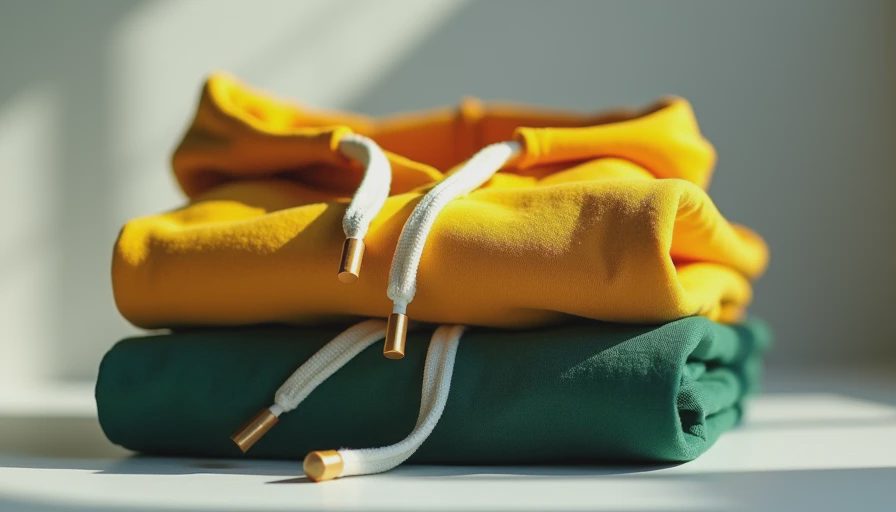
Sizing youth sweatshirts can feel like guessing between “fits now” and “swallows the child whole.” I usually look for a little growing room in the body and sleeves, but not so much that the cuffs cover the hands. A shoulder seam that sits several inches down the arm is usually a sign that the child will fight the garment, especially when drawing, eating, or climbing.
For toddlers, a relaxed sweatshirt with a wide neck is easier to pull over the head. Some families prefer a half-zip or full-zip layer because it avoids the over-the-head struggle. Zippers add convenience, but they also create another part that can snag or break. Check that the zipper moves smoothly and that the inside is covered near the chin.
For elementary-age children, fit becomes more personal. Ella likes a slightly oversized sweatshirt with leggings, while Jack refuses anything that feels tight around his wrists. I measure a favorite sweatshirt from armpit to armpit and shoulder to hem before ordering online. That quick comparison is more reliable than guessing from an age label alone.
Leave enough room for a T-shirt underneath, but do not size up two full sizes just for longevity. Extra fabric can bunch under a coat, and a child may stop wearing an otherwise durable piece because it feels awkward. A sweatshirt worn weekly for one year is better value than one that lasts three years in a drawer.
Details that separate sturdy layers from disposable ones
Look closely at the high-friction areas. Cuffs and waistbands should be ribbed with enough recovery to return to shape. The stitching around a kangaroo pocket should be secure because children use that pocket as a hand warmer, toy basket, and occasional storage bin. Pull lightly at the seam; a little flexibility is normal, but visible gaps suggest trouble.
Printed designs deserve a quick inspection. A soft screen print can crack over time, but a thick rubbery graphic may feel uncomfortable under a backpack. Embroidery looks durable, though it can create a stiff patch on the inside. For a smaller wardrobe, solid colors, simple stripes, and restrained graphics tend to work with more outfits and pass more easily to a sibling.
I also prefer youth sweatshirts with care labels that give clear instructions. “Machine wash cold” is manageable in a busy house. “Hand wash separately and lay flat” is a different commitment. No fabric can compensate for a care routine that never happens, so choose the instruction you can realistically follow.
If a child spills tomato sauce or milk, rinse the mark from the back with cool water before it dries. Avoid rubbing a printed design hard. For mud, let the dirt dry, brush it off, and then wash. These small steps often matter more than a premium label.
Three sensible price points
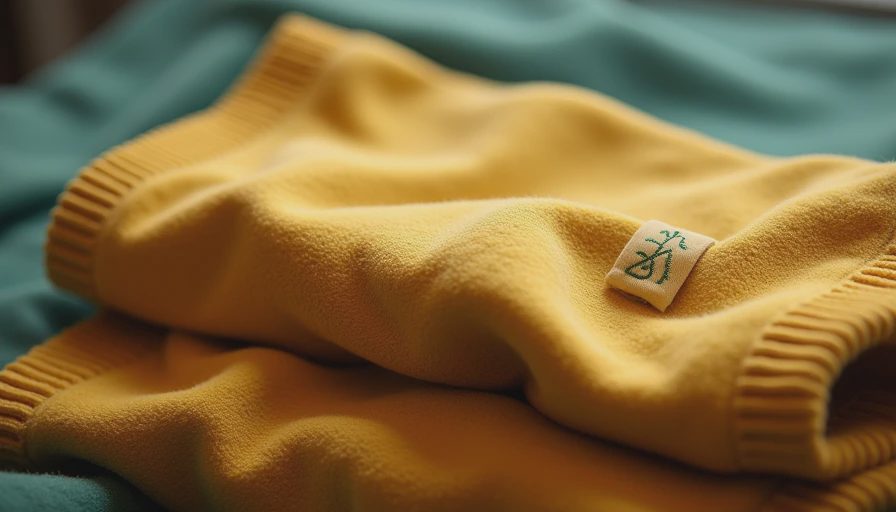
At the budget level, expect to spend about $12 to $20 for basic youth sweatshirts from large retailers. These can be excellent play clothes when the fit is good and the fabric is not unusually thin. Buy one, wash it according to the label, and inspect the cuffs after several wears before ordering more.
In the middle range, around $20 to $40, you will often find better color choices, smoother fleece, and more consistent sizing. Brands such as Hanna Andersson, Primary, and Lands' End offer different versions of everyday layers, although each product line has its own fabric and fit. I have not test-worn every current style, so I read the fiber content and customer measurements rather than relying on the brand name.
Above $40, you are usually paying for design details, specialty fibers, ethical production goals, or a recognizable label. That can be worthwhile if the child wears the piece constantly, but it is not necessary for a durable school layer. A $16 sweatshirt that survives a hand-me-down cycle can beat a $55 one that a child outgrows after one season.
The best comparison is cost per wear. A $25 sweatshirt worn 60 times costs about 42 cents per wear. A $15 sweatshirt worn 10 times costs $1.50 per wear. Comfort and repeat use are part of the math.
Building a smaller sweatshirt rotation
Most children do not need a drawer full of nearly identical layers. For a school-age child, three everyday youth sweatshirts can cover a normal week if laundry happens regularly: one on the child, one in the wash, and one ready for the next day. Add a zip-up or lighter layer if the school temperature changes often.
Choose colors that work with the clothes already owned. A navy, oatmeal, forest green, or muted red layer can pair with jeans, joggers, corduroy, and uniform pants. Keep one sweatshirt for messier activities if your child paints, bakes, or spends a lot of time outdoors. That protects the nicer everyday pieces without turning clothing into a precious object.
When a sweatshirt is too small, inspect it before passing it on. Check underarms, cuffs, and the pocket corners. A small stain is manageable; stretched ribbing or a seam that is opening usually means it has reached the end of useful life. Photograph the size tag and note what worked. That tiny record makes the next shopping trip much calmer.
Would I buy it again?
For our family, youth sweatshirts earn a yes when they are soft enough for a picky child, roomy without being sloppy, and washable without special treatment. I would spend more on a reliable fit or a favorite color, but I would not pay extra simply for a logo. The winning layer is the one that gets pulled from the hamper, worn to school, washed again, and eventually handed to the next child.
Start with one reasonably priced sweatshirt in a fabric blend your child already tolerates. Track how it feels after ten washes, whether the cuffs recover, and whether your child reaches for it without prompting. That small test tells you more than a product description. Build from the evidence, keep only what gets worn, and let the wardrobe become simpler one useful layer at a time.

Travellers Write
No letters yet — be the first traveller to write.