The youth hoodies I have regretted buying usually looked perfect on the hanger. The fleece was soft, the color was cheerful, and the price seemed low enough to make grabbing two feel sensible. Then a sleeve shrank, the cuffs loosened, or the inside turned rough after three trips through the washer. With three children, I have learned that youth hoodies need to be judged by ordinary life: cereal spills, playground gravel, car-seat friction, and a child who refuses to take one off indoors.
A good hoodie earns its space because it works across seasons and outfits. It can replace a light jacket on a cool morning, add warmth over pajamas during a camping trip, and make a plain pair of leggings or jeans feel finished. The goal is not to own a drawer full of novelty designs. It is to find two or three dependable layers that fit comfortably, wash predictably, and can move from one child to the next.
What Makes Youth Hoodies Comfortable and Durable
Start with the fiber content rather than the printed slogan. Cotton fleece feels familiar and breathable, but it can shrink if it is washed hot or dried on high heat. A cotton-polyester blend often keeps its shape better and dries faster, which matters when a favorite top is needed again tomorrow. Polyester fleece is warm and lightweight, although some children dislike its less natural feel or find it too warm indoors.
The inside surface also tells you something. Brushed fleece has raised fibers that create softness and warmth. French terry has small loops on the inside instead of a fuzzy nap, so it is lighter and often more useful in spring or fall. Neither is automatically better. Ella prefers brushed fleece for cold walks, while Jack gets hot quickly and reaches for French terry.
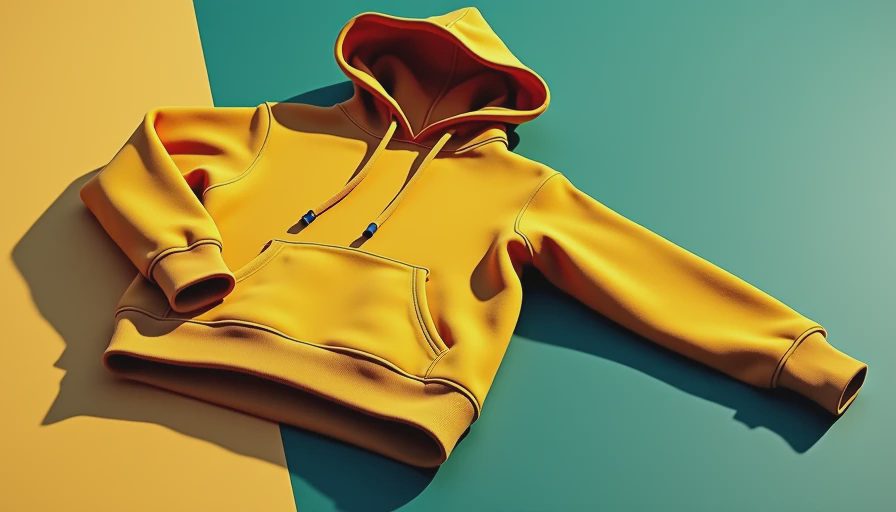
Look closely at the seams, too. A flat neckline, covered zipper, and rib-knit cuffs make a noticeable difference for children who are sensitive to scratchy edges. A kangaroo pocket is fun, but its stitching should be tidy and reinforced. On youth hoodies, a pocket is usually the first place I notice loose threads after repeated playground use.
Finding a Fit That Can Handle Growth
Sizing up sounds economical, but an oversized hoodie is not always practical. Sleeves that cover the hands get dragged through lunch, and a deep armhole can make climbing uncomfortable. I usually choose a relaxed fit with sleeves that reach the wrist and a hem that sits below the waistband. That leaves room for growth without making the garment look borrowed from an older sibling.
Check the measurements when they are available, especially for online purchases. Children’s sizing is inconsistent between brands, and a size 6 in one store can fit like a size 7 elsewhere. Measure a hoodie your child already likes from shoulder to hem and across the chest, then compare those numbers with the product chart. This takes two minutes and saves the trouble of returning something that is technically the right age range but completely the wrong shape.
For toddlers, a pullover is simple and cozy, but a full-zip style is easier to remove during bathroom trips. Older children often manage a zipper independently and may prefer it for temperature control. If the hood is large, make sure it does not block peripheral vision during outdoor play. Comfort and movement matter more than a slightly longer wear window.
How I Wash Youth Hoodies at Home
Most youth hoodies do not need complicated care. I turn graphic styles inside out, close zippers, and wash them in cool or warm water with similar colors. A mild detergent is enough; adding more soap does not make a stained sleeve cleaner and can leave residue that makes fabric feel stiff. For food marks, I rinse promptly and work a small amount of detergent into the spot before washing.
High heat is the enemy of many cotton blends. I tumble-dry on low when speed matters, but air-drying on a rack helps protect the ribbing and reduces shrinkage. I do not use fabric softener on fleece because it can coat fibers and reduce absorbency. If a hoodie comes out with pilling, I remove the small pills with a fabric shaver rather than treating them as a sign that the whole garment has failed.
Julia Test Log: In my wash spreadsheet, the best performers are not always the most expensive. A mid-priced cotton-polyester blend that keeps its cuffs and shape after 30 or more washes is a better result than a premium sweatshirt that looks tired after ten. I record the exit reason, too: stains, sizing outgrown, seam failure, or simply a child choosing another favorite.
Paying the Right Price for Everyday Layers
Price should match the job. A basic youth hoodies option in the roughly $15 to $25 range can be perfectly sensible for school, especially when the child is between sizes or regularly paints, bakes, and plays outside. Around $25 to $45, you often find better fabric weight, smoother zippers, and more consistent construction. Above that, you are usually paying for a particular cut, licensed artwork, premium fibers, or a brand’s design details rather than guaranteed durability.
For a first layer, I would rather buy one dependable neutral and one color your child genuinely likes than four novelty pieces. Navy, heather gray, forest green, and muted red tend to work with more of a wardrobe. A patterned option can still be worthwhile if it is worn often. The measure is cost per use: a $35 hoodie worn twice a week may be more economical than a $14 top that stays at the back of the drawer.
When comparing youth hoodies from Old Navy, Target, Primary, Hanna Andersson, or a small local shop, I focus on the garment details rather than the logo. These retailers serve different budgets and styles, so the useful comparison is fiber blend, construction, return policy, and how your child responds to the fit.
Building a Small Hoodie Rotation
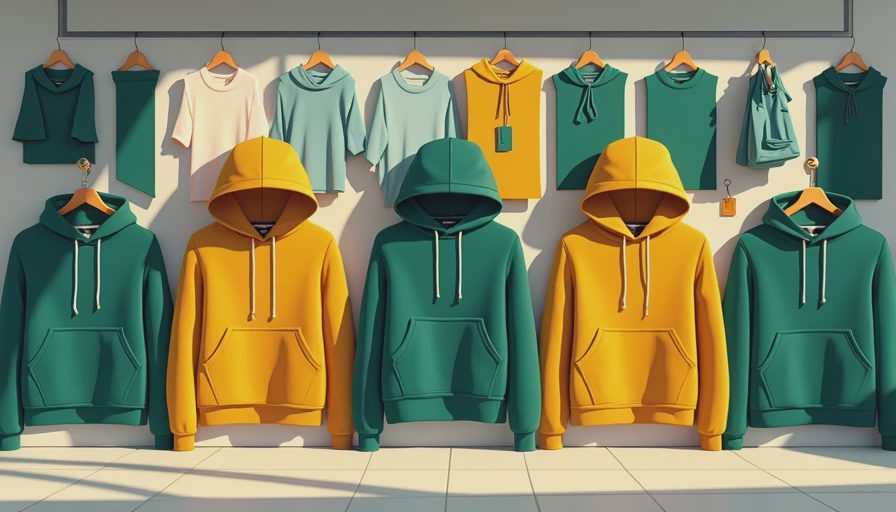
A child does not need a different hoodie for every day. For most school-age wardrobes, two warm options and one lighter layer are enough if laundry happens regularly. One can live on the hook by the door, one can stay in the school or car bag, and the lighter style can cover transitional weather. Toddlers who get messy quickly may need an additional backup, but even then, buying five nearly identical pieces often creates clutter rather than convenience.
Choose different weights instead of buying three versions of the same fleece. A French terry hoodie handles mild mornings, a medium fleece covers regular fall weather, and a heavier sweatshirt works for winter layering. This creates more outfit flexibility and avoids overheating. For hand-me-downs, skip garments with stretched neck openings or permanently flattened fleece; younger children deserve clothes that are comfortable now, not just technically wearable.
A simple rotation also makes it easier to notice what is missing. If your child always reaches for the zip-up, another pullover probably will not solve the morning battle. Buy for actual habits, not an imaginary coordinated wardrobe.
My Final Test Before Buying
Before choosing youth hoodies, I ask whether the child can put the piece on without help, whether the fabric suits the season, and whether the color will work with at least three bottoms already in the closet. I check the care label, inspect the cuffs, and look for a return window in case the fit is off. Those small checks are more useful than a dramatic product description.
Would I buy youth hoodies again? Yes, but selectively. The best ones in our house are soft without being fragile, roomy without swallowing small shoulders, and plain enough to wear frequently. I would spend a little more for strong seams and a reliable fit, but I would not assume a higher price guarantees either. Buy fewer, wash them sensibly, and let real wear—not the hanger—decide whether a hoodie belongs in the rotation.


Travellers Write
No letters yet — be the first traveller to write.