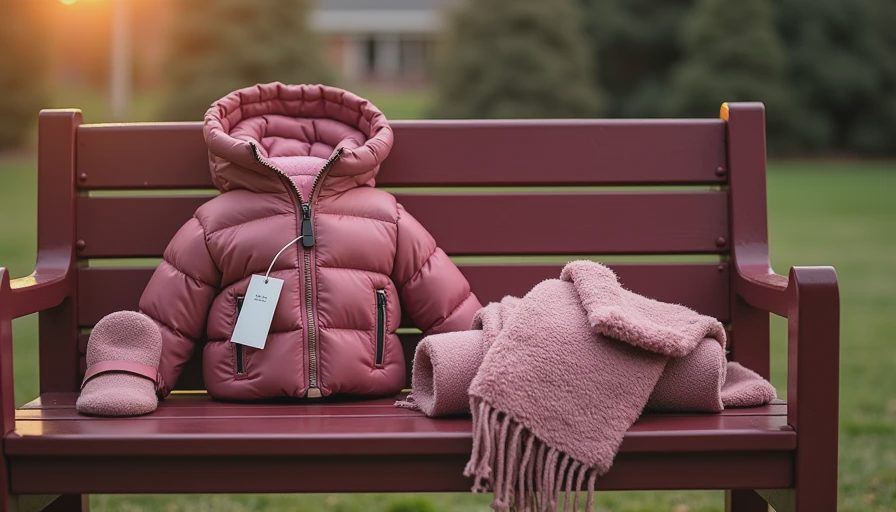
The first girls puffer jacket I bought for Ella looked perfect online: pale pink, fluffy, and just long enough to cover her sweater. In real life, the zipper caught on the lining, the sleeves were tight over a sweatshirt, and one week of playground use left the cuffs gray. It became an expensive car-seat blanket. A good girls puffer jacket needs to do more than look warm. It needs to zip easily, leave room for movement, survive snack spills, and still be useful next season.
What makes a puffer jacket genuinely warm
Puffer warmth comes from insulation that traps air. The insulation can be down, synthetic polyester, or a blend of materials. Down is light and compressible, but it loses much of its insulating ability when soaked and usually costs more. Synthetic fill is often the easier choice for children because it handles damp weather, regular washing, and rough playground use more comfortably.
Look for a jacket with evenly distributed fill. Horizontal channels or quilted sections help keep the insulation from sliding into one corner. Press the jacket gently between your fingers. It should feel consistently filled rather than flat in large areas, but it does not need to be extremely thick to work well. A very bulky coat can make climbing, buckling, and carrying a backpack awkward.
The outer fabric matters, too. Nylon and polyester are common because they are lightweight and reasonably resistant to wind. A smooth shell wipes clean more easily than a fuzzy one. Water-resistant is not the same as waterproof, so a puffer can handle light rain or wet snow without replacing a proper raincoat.
For Portland walks, I prefer synthetic insulation, a covered zipper, and a shell that does not show every muddy handprint. For colder, drier places, a down-filled option can be lovely if the care instructions suit your household.
Finding the right fit for school and play
A girls puffer jacket should fit over the layers your child actually wears, not over an imaginary thin shirt. Try it with a sweatshirt or medium-weight sweater. Ask the child to reach forward, lift both arms, and hug themselves. If the hem rides sharply upward or the cuffs pull past the wrists, the size is too small even if the shoulders look neat.
Sleeves with elastic or adjustable cuffs are useful because they keep warmth in and make a slightly generous size more practical. A drawcord at the hem can block drafts, although loose cords need to be secured and kept away from moving equipment. A stand collar protects the neck better than a very low neckline, while a soft chin guard prevents the zipper from rubbing.
Length is a personal choice. A hip-length jacket is easier for bikes, car seats, and active games. A longer style gives more coverage during walks and bus stops. For toddlers, avoid a coat so long or oversized that it interferes with stepping, climbing, or safe harness positioning. A jacket should never be worn bulky under a properly fitted car-seat harness.
Check the hood before buying. A removable hood is convenient for children who dislike it, but a fixed hood can stay in place during windy weather. The best hood is roomy enough for a hat without falling over the eyes.
Fabric, lining, and the wash test
The lining is the part your child feels all day. Polyester is smooth and slides over sweaters easily. Brushed tricot or jersey can feel warmer, but it may catch on textured knits. If your child complains about scratchy collars, examine the seam around the neck and the zipper tape rather than relying only on the product photo.
Read the care label before paying. Machine-washable synthetic fill is usually the most realistic option for elementary-school clothing. Wash it according to the label, use a mild detergent, and dry it completely. Damp insulation can develop a stale smell and clump. Tennis balls are sometimes suggested for drying puffer coats, but follow the manufacturer’s directions first because heat and agitation can damage shells or trims.
My wash-score spreadsheet treats a coat differently from a T-shirt because winter outerwear gets fewer weekly washes. I still look for fabric that comes clean after muddy cuffs, food marks, and the mysterious black streak every child finds near a fence. A dark navy, olive, charcoal, or berry shell often hides ordinary wear better than white or pale blush.
A girls puffer jacket with a durable zipper is worth more than decorative quilting. Test the zipper slowly in the store. If it snags before the child has even worn the coat, it is unlikely to improve during a rushed school morning.

Price points that make sense
A budget girls puffer jacket can work well for a fast-growing child or a backup coat. Around $25 to $45, expect basic synthetic fill, a simple shell, and fewer adjustment features. This range is sensible when your child is likely to grow a size before next winter, provided the zipper and seams feel sturdy.
The $50 to $90 range usually offers better lining, more consistent fill, smoother zippers, and stronger cuffs. This is where I would shop for Ella and Jack when the coat needs to handle school, weekend errands, and hand-me-downs. Brands such as Columbia, Lands’ End, Old Navy, Uniqlo, and The North Face often have different styles across this range, so compare construction rather than assuming the logo tells the whole story.
At $100 and above, you may find lighter insulation, more polished finishing, down fill, or a longer cut. That price can make sense for a coat worn daily in a cold climate, but it is not automatically warmer or more durable. A premium girls puffer jacket still needs a practical fit and care routine.
Secondhand shopping is especially useful for outerwear. Look closely at the cuffs, zipper base, pocket seams, and inside collar. A clean, lightly worn jacket from last season can offer better construction than a new bargain coat, but skip anything with flattened insulation, peeling coating, or a damaged zipper.
Details children can manage themselves
Independence is part of whether a coat gets worn. A large zipper pull is easier for small fingers than a tiny metal tab. Snaps can help secure a storm flap, but they should not replace a zipper for warmth. Pockets should be deep enough for gloves without making the jacket sag.
I also like a name label that can be written on without scratching the lining. For daycare or school, choose a color your child can identify quickly. A bright lining or distinctive zipper pull helps when six similar coats are hanging together.
For a toddler, simple is usually better: one reliable zipper, soft cuffs, and no complicated belt. For a tween, a little style input matters. Let her choose between two practical colors or cuts after you have narrowed down the warm, washable options. A coat that matches her taste is more likely to stay on during recess.
My practical buying checklist
Before choosing a girls puffer jacket, check the coat over a sweatshirt, operate the zipper with one hand, and inspect the stitching around the pockets. Confirm that the hood does not block peripheral vision and that the cuffs cover the wrists when arms are raised. Look at the return policy if ordering online, since sizing differs widely between brands.
Think about the whole season rather than one cold morning. If your child walks to school, prioritize wind resistance and coverage. If she spends most winter trips going from the car to buildings, a lighter jacket may be more comfortable. If snow play is common, choose synthetic insulation and pair it with waterproof pants and gloves instead of expecting the puffer to do every job.
Would I buy it again? Yes, when the jacket has washable synthetic fill, a smooth lining, adjustable cuffs, and enough room for one sensible layer. I would skip a beautiful coat with a difficult zipper or fragile pale fabric. The right girls puffer jacket is not the fanciest item in the closet. It is the one your child can put on without help, wear through a messy week, and pass along when spring finally arrives.



Travellers Write
No letters yet — be the first traveller to write.