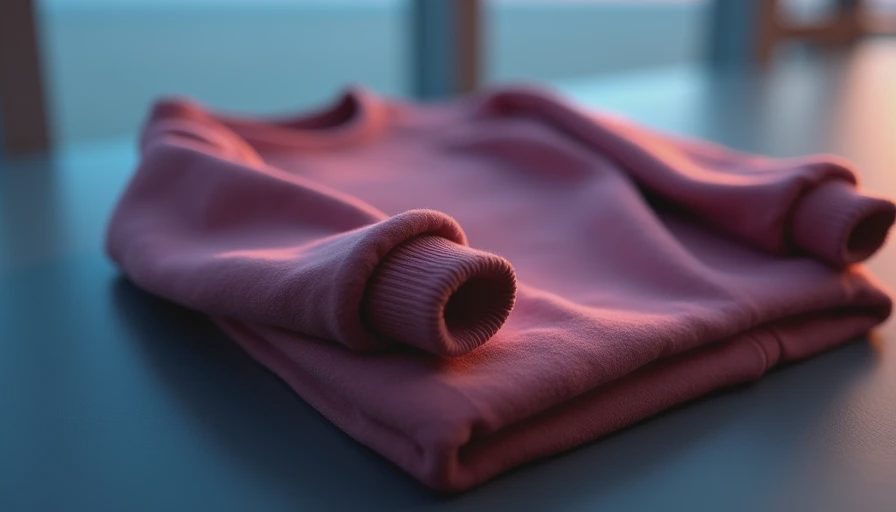
The pink sweatshirt on our mudroom floor had lasted exactly two washes before the cuffs went wavy. After a third wash, the fleece had formed little pills under the arms, and my daughter refused to wear it because it felt scratchy. That experience changed how I shop for girls sweatshirts. I now look first at fabric, seams, fit, and care instructions rather than a cute graphic or a low price.
A useful sweatshirt should earn regular rotation. It needs to feel soft against a child's neck, leave room for a T-shirt underneath, and come out of the dryer looking reasonably presentable. It does not need to be precious. Kids spill applesauce, drag sleeves through sidewalk chalk, and grow several inches between fall and spring.
Start with the fabric label
Cotton fleece is warm and familiar, with a smooth outside and brushed loops inside. It is a good choice for school and weekend wear, although the brushed surface can pill when the fibers are loose or when the garment is washed with rough towels. Cotton French terry has unbrushed loops, so it usually feels lighter and works well during transitional weather.
Cotton-polyester blends are often the practical middle ground. Polyester adds strength, helps the sweatshirt hold its shape, and can reduce drying time. A 60/40 or 80/20 blend can be comfortable without feeling as heavy as a thick all-cotton style. For children with sensitive skin, check the inside seams and neck binding in person whenever possible; fiber content is only part of the comfort story.
Girls sweatshirts made with mostly synthetic fleece can feel very soft at first, but softness is not the same as durability. Some inexpensive fleece sheds fibers or develops static. That does not make it automatically bad, but I would treat it as a seasonal play layer rather than a hand-me-down candidate.

Build a small sweatshirt rotation
Most children do not need a drawer full of sweatshirts. For a school-week rotation, three useful layers are often enough: one everyday pullover, one warmer option for cold mornings, and one lighter French terry or jersey style for indoor classrooms. Add a fourth only if laundry timing, sports practice, or a messy preschool routine makes it genuinely useful.
The best girls sweatshirts work with the clothes already in a child's closet. A heather gray, navy, oatmeal, forest green, or muted red pullover can pair with jeans, leggings, corduroy pants, or a skirt. A bright print can be fun, but a closet built entirely around statement graphics creates the familiar morning problem: nothing matches the pants that are clean.
Think about where the sweatshirt will be worn. A slim layer suits a heated classroom and fits beneath a rain shell. A roomy hoodie is better for outdoor play but can bunch under a coat. If your child wears uniforms, choose colors that do not compete with the school shirt and look for a hem that stays tucked or comfortably below the waistband.
Fit matters more than the size on the tag
Children's sizing is inconsistent enough that I measure the garment, not just the label. Compare sleeve length, chest width, and body length with a sweatshirt your child already likes. A sleeve that is two inches too long can become a playground hazard, while a body that is too short exposes the back every time a child climbs.
For growing children, a little extra room is sensible. Look for ribbed cuffs that sit securely without squeezing and a waistband that recovers after stretching. Dropped shoulders provide room through the chest, but they can make smaller children look swallowed. Raglan sleeves often give active kids a comfortable range of motion.
Girls sweatshirts with a higher crew neck can block drafts, but a tight collar will turn a wearable garment into the one that always stays on the floor. For younger children, a wide neck opening or a short zipper can make dressing easier. Avoid drawstrings around the neck on small children's hooded styles, and inspect decorative cords before washing.
A realistic price comparison
At about $15 to $25, you can often find simple cotton-blend pullovers that are perfectly good for paint, playground dirt, and growth-spurt seasons. At roughly $25 to $45, construction details may improve: stronger ribbing, smoother seams, heavier fleece, and better color retention. Above $45, you are usually paying for a particular fabric, design, or label rather than a guarantee that the garment will survive longer.
My wash-score spreadsheet has taught me to calculate cost per useful wear. A $20 sweatshirt worn 30 times costs about 67 cents per wear. A $40 sweatshirt worn 80 times costs 50 cents per wear, even though the checkout price is higher. That does not mean the expensive option is always the smarter buy; it means price only makes sense alongside comfort, frequency of use, and durability.
Girls sweatshirts from a secondhand shop can be excellent value, especially when the cuffs are still firm and the inside fleece is smooth. Check underarms for pilling, inspect the neckline for stretching, and hold the fabric to the light for thin spots before buying.
Washing habits that extend their life
Turn sweatshirts inside out before washing to reduce friction on graphics and fleece. Use a normal amount of detergent, because excess soap can leave fibers stiff and attract dirt. Wash similar weights together rather than mixing a soft pullover with denim, towels, or garments with exposed zippers.
Cold or cool water is usually enough for everyday soil, and a low-heat dryer setting is gentler than high heat. Air-drying is useful when a sweatshirt is already close to fitting; repeated high heat can shrink cotton and make ribbed cuffs lose their shape. Do not hang a heavy wet sweatshirt from a narrow hanger, since the shoulders can stretch. Lay it flat or use a broad drying rack.
If a sweatshirt pills, use a fabric shaver lightly on a flat surface. Do not pull pills by hand, because that can loosen more fibers. Stains should be treated before drying; heat can set milk, tomato sauce, and grass marks. I keep a small stain brush near the laundry machine, which is less glamorous than a perfect laundry system but more likely to be used.
What I would buy again
I would buy girls sweatshirts that have a soft but not fuzzy interior, sturdy cuffs, a forgiving body length, and a color that works with at least three bottoms. I would skip a beautiful style if the neck opening is narrow, the fabric feels thin at the seams, or the care tag demands special handling for an ordinary children's layer.
For a budget pick, choose a cotton-polyester pullover in a neutral color. For a midrange purchase, spend more on a denser fleece or better-constructed French terry style. For a secondhand option, prioritize condition over brand. Those choices cover school mornings, rainy walks, birthday parties, and the inevitable snack spill without filling the closet with clothes that rarely leave the hanger.
My verdict on girls sweatshirts is a clear yes, but only when the garment has a job. Buy fewer, choose fabrics your child will actually tolerate, and record what survives your own laundry routine. A sweatshirt that gets worn twice a week is a better find than one that looks perfect online but never makes it past the bedroom floor.



Travellers Write
No letters yet — be the first traveller to write.