The first bodysuit I bought for my oldest pilled so fast I could feel the fuzz under my thumb after three washes. It looked sweet on the hanger and tired by the second week, which is exactly why I pay attention to organic cotton baby clothes now. When parents ask me where to start, I tell them to think less about the label on the front and more about the part that touches skin, survives the wash, and gets passed down. The goal is not to buy a perfect nursery drawer. It is to buy a small set of basics that feel good, hold their shape, and make laundry a little less annoying.
What organic cotton baby clothes actually means
Organic cotton is cotton grown under standards that limit synthetic pesticides and fertilizers, and the better apparel labels usually mention a certification such as GOTS or OCS. That does not automatically make a shirt softer, thicker, or better sewn. It does tell you something useful about how the fiber was produced and processed. For babywear, I care about that because the most-used pieces get washed constantly and sit against very sensitive skin. The hand feel still matters more than the marketing line. A dense rib knit can outwear a flimsy jersey every time, even when both are labeled 100 percent cotton.
The quick test I use in a store is simple. I pinch the fabric, stretch it a little, and look at the recovery. If it snaps back without looking baggy, that is a better sign than any cute print. I also check whether the garment was prewashed or garment washed, because that often means less surprise shrinkage later. A good piece should feel smooth, not slick, and it should have enough weight to stay on a squirmy baby without twisting into a sausage shape by lunch.
Where organic cotton baby clothes earn their keep
The best place to spend a little more is on the items you wash most: bodysuits, sleepers, and everyday tops. Those are the pieces that get milk on the shoulder, mashed banana on the front, and repeated stretches through the neck opening. If a cheap set costs $12 and a better set is $22, the second option only needs to survive a few more months of real use to make sense. I do not think every baby needs a drawer full of premium basics. I do think two or three sturdy sleepers beat six thin ones that twist, pill, and lose shape before the baby outgrows them.
For budget shopping, I usually expect store-brand multipacks around $12 to $24. Midrange sets often land around $18 to $32, while premium versions from brands like Burt's Bees Baby, Hanna Andersson, or Primary can run $28 to $45 depending on the item. That spread matters because the expensive choice is not always the smartest one. A $14 bodysuit with tight ribbing can beat a $30 one with flimsy snaps and a loose neckline. The win is in the construction, not the logo.
How to spot a good one on the hanger
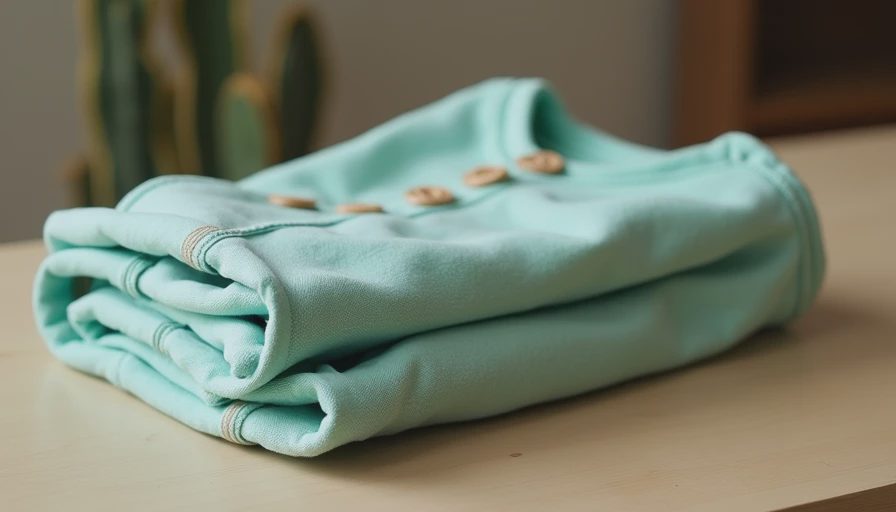
When I am standing in a store with a baby already asleep in the car seat, I look for three things first: seam finish, neckline shape, and closure quality. Flat seams are kinder on skin and usually mean the garment was made with a little more care. A wide envelope neckline is helpful on tiny sizes because it stretches over a head without a wrestling match. Snaps should feel solid when I press them, not papery or crooked. If the legs on a sleeper are cut too narrow, the fabric can torque after a wash and start fighting the diaper.
I also read the care tag before I fall for the color. If it wants high heat, extra special handling, or dry cleaning, it is not a practical baby piece in my house. Most families are better off with cold or warm wash and low tumble dry. I am happy to pay a little more for a cleaner finish, but I am not paying more for a garment that only looks good once.
How to wash so it stays soft
A lot of complaints about cotton are really complaints about laundry habits. Heat is the biggest shrinker, especially in dryers that run hot or get overloaded. If you want the clothes to stay softer longer, wash with like colors, avoid cramming the drum full, and pull pieces out while they are still slightly damp. That keeps the fibers from getting crispy. For stains, I like a simple pretreat with a little liquid detergent or an enzyme spray before the main wash. It is boring, but it works on spit-up, fruit, and the mystery smudge every parent eventually sees on a sleeve.
You do not need fancy products for this. A normal detergent, a mesh bag for tiny socks, and a dryer setting you can trust will do more for longevity than any special fabric myth. If a garment feels rough after drying, it often needs less heat, not a replacement. That is one reason organic cotton baby clothes stay in rotation for us longer than trendier items; they are easier to care for without babysitting every load.
A simple buy-first order for new parents
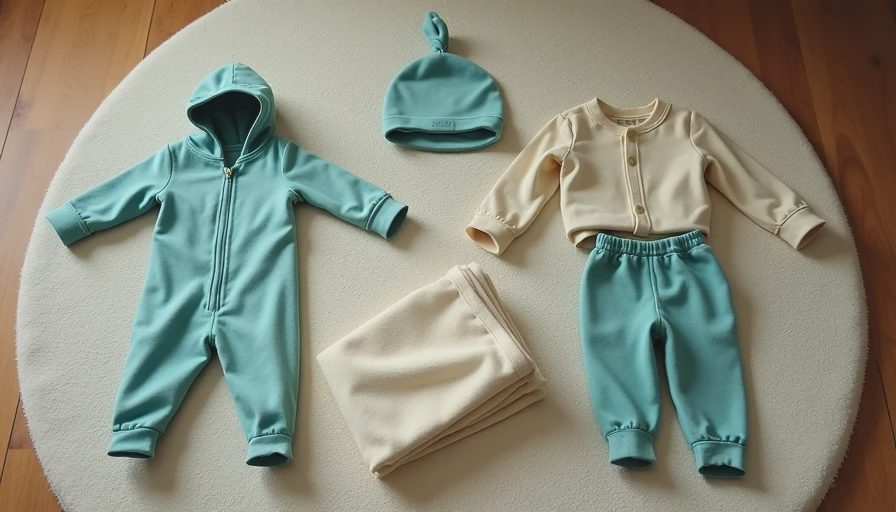
If you are starting from scratch, I would build in this order: three to five bodysuits, two sleepers, one or two layering tops, and one hat for the season. After that, add based on your actual routine. Families who run cold and keep the house breezy will want more sleepwear. Families with a huge hand-me-down pile may only need a few fresh basics. The point is to buy the pieces that get worn every day before you spend on little outfits that look cute for photos and then sit in a drawer.
I like this approach because it keeps spending calm. Instead of buying everything in newborn size, you can test what your baby reaches for and what survives the washer. If you end up loving a particular fit, it is easy to reorder the next size up. If not, you have not built a whole wardrobe around one guess. Neutral colors help too, because they hide a little fading and move easily from one child to the next. That is the part of organic cotton baby clothes that makes sense to me: not the label by itself, but the way the right basics let you buy less and use more.
Would I buy it again?
Yes, with one condition: I would buy it again for the workhorse pieces, not the novelty ones. A soft sleeper, a good bodysuit, and a sturdy tee are where the value shows up. For dress-up pieces, I am more willing to go cheaper because the item will not see the same punishment. If you want a calmer drawer, fewer scratchy surprises, and clothing that can move from one child to the next, organic cotton baby clothes are a sensible place to start. Would I buy it again? Yes.


Travellers Write
No letters yet — be the first traveller to write.