One October night, I pulled Maya’s sleepy little legs out of a pair of bargain pajamas that had already gone baggy at the knees and scratchy at the cuffs. That was the moment I stopped treating sleepwear like an afterthought. Organic cotton pajamas are one of the few kid purchases where fabric, knit, and finishing details really do show up in the laundry pile. If a set is soft but flimsy, it pills and twists. If it is sturdy but stiff, nobody wants to wear it to bed. The sweet spot is in the middle: comfortable enough for a tired kid, durable enough for the dryer, and simple enough to hand down.
What the label really means
Organic cotton starts with how the fiber is grown, not how the pajama looks on the rack. For organic cotton pajamas, that usually means the cotton was grown without the synthetic pesticides and fertilizers used in conventional farming. That does not automatically make a garment softer, thicker, or longer-lasting. The feel still comes from the knit and the finishing.
I look for two other labels too. GOTS, the Global Organic Textile Standard, is the one that tells me the fabric and processing met a stricter standard. OEKO-TEX Standard 100 is different; it is not an organic label, but it checks for a long list of harmful substances in the finished fabric. In real life, a parent does not need to turn into a certification detective, but those labels are useful when the tag is crowded with marketing fluff and not much else.
The knit matters just as much. Jersey feels lighter and drapier, which is nice for hot sleepers. Rib knit has more stretch and usually holds shape better after a lot of crawling, climbing, and bedtime wrestling. If a set feels overly thin in the store, it usually does not age into greatness later.
The small details that change everything
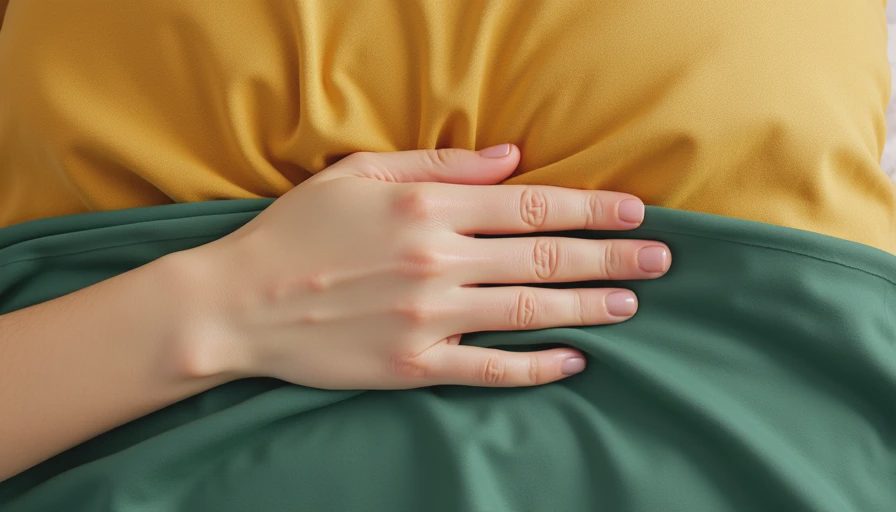
When I shop for organic cotton pajamas, I look first at the parts that take the most abuse: cuffs, waistbands, seams, and the stretch at the neck. A wide elastic waistband is easier for a child to pull up at 6 a.m. than a narrow one that twists inside the casing. Flat seams feel better under blankets and tend to chafe less after a long night. Tagless labels are not a luxury in my house; they are the difference between a set that gets worn twice a week and one that gets left in the drawer.
Shrinkage also matters. Cotton will usually tighten up a bit in the first few washes, especially if the dryer is set too hot. I like a little room in the arms and legs so the pajamas still fit after laundry day. If you are between sizes, size up only when the knit has enough recovery to stay put at the wrists and ankles. Too much extra fabric makes even good pajamas bunch at the knees.
For bedtime clothes, the test is not just how they feel on day one. It is whether the neckline stays open, the cuffs keep their shape, and the pajama top still looks decent after a month of tomato sauce, hand soap, and one mysterious marker stain that somehow made it into the wash.
What I pay, and what I expect back
At the low end, a basic two-piece set from a warehouse club or mass retailer often lands around $18 to $25. Midrange sets from brands like Burt's Bees Baby or Primary usually sit in the $28 to $45 lane. Premium rib knit from Hanna Andersson can climb into the $48 to $64 range before sales. I have not test-worn every brand on the market, but that price ladder tracks with what I see in the fabric and trim.
The best organic cotton pajamas are the ones that match your child’s wear pattern. For a toddler who spills milk and grows three inches before the next season, a midrange set on sale is often the smartest buy. For a child who wears the same pajama top every night and likes a softer hand feel, it can make sense to spend more on a thicker knit with better recovery. In my wash log, the stronger pairs are usually the ones that still look tidy after 20 to 30 washes instead of turning limp and wavy by wash ten.
Hand-me-down value is real here too. Neutral stripes, small prints, and colors that do not show every stain are easier to pass from one sibling to the next. I do not buy sleepytime clothes as fashion pieces. I buy them like workwear for bedtime.

How I wash them so they stay soft
Most of the damage I see comes from heat, not normal use. I wash cotton pajamas in cold or warm water and dry them on low. High heat can tighten elastic, fade darker colors, and make a soft set feel dry and papery. If a pajama set comes out wrinkled but intact, I count that as a win. Nobody needs bedtime clothes to look tailored.
I also turn printed pairs inside out when I remember, especially for kids who wear the same set on repeat. It helps the surface look better longer. Avoid heavy fabric softener if the pajamas already feel smooth; it can leave a coating that changes the hand feel. A small amount of fragrance-free detergent is plenty.
If a pair comes with a care tag that recommends air drying, I do not treat that as a suggestion written for someone else. It usually means the maker knows the fabric can get tired under high heat. That is useful information, not a nuisance.
A simple buying shortcut for busy parents
If you are buying organic cotton pajamas for a child who runs warm, start with lightweight jersey and a relaxed cut. If your child is rough on knees and likes to tumble around before bed, rib knit is usually the better bet because it stretches and springs back more reliably. If you need a set that can survive a younger sibling later, spend a little more on the one with stronger cuffs and a waistband that does not twist.
I also think about how the pajamas will live in the drawer. One great set is better than three mediocre ones. That is the less-but-better part of the equation: buy the pair you would reach for first, then repeat it if it earns its place. Organic cotton pajamas do not need to be precious, but they should feel pleasant enough that a child asks for them on laundry night instead of complaining.
Would I buy them again? Yes, if the knit is honest, the fit leaves room to move, and the price makes sense for the amount of wear I expect. That is the whole game with kids’ sleepwear: not perfect, just dependable enough to survive another wash cycle and another growing season.

Travellers Write
No letters yet — be the first traveller to write.