The first time I dressed my second baby, I pulled a tiny sleeper over one arm and realized the collar was stiff enough to annoy a grown-up, let alone a two-day-old. That is the moment I stopped buying cute extras and started paying attention to fabric, seams, and fit. The best newborn cotton outfits are not the ones with the most bows or the softest store lighting. They are the ones that go on quickly, wash clean, and do not fight a diaper change at 2 a.m. If you are trying to build a small baby wardrobe without overbuying, cotton is usually the easiest place to start.
What the label is really telling you
When I shop newborn cotton outfits, I look past the flower prints and straight at the knit. Cotton is the fiber, but the way it is made changes everything. Jersey cotton feels lighter and stretches a little, which is nice for bodysuits. Rib knit has more give and tends to hug the body without feeling tight. Interlock cotton is a touch thicker and smoother, so it often holds its shape better after repeated washing. If a tag says combed or ring-spun cotton, that usually means the fiber was processed to feel softer and cleaner against skin.
The details matter because newborn clothes get dragged through a rough little life: milk spills, diaper leaks, spit-up, and a lot of half-dressed moments. A scratchy neck binding or a rough inner seam can turn a decent outfit into a daily hassle. I also like wide envelope necks or snaps at the shoulder, since they make it easier to pull clothing down after a blowout. For baby basics, I would rather buy fewer pieces in a better knit than load up on a drawer full of novelty items that only look good in the package.
If you are comparing two similar options, check three things: does the fabric have enough stretch, are the seams flat or bulky, and does the trim feel soft where it touches the neck and legs? That is usually where cheaper pieces give themselves away.
The starter wardrobe that actually gets used
For most families, newborn cotton outfits work best as a small set of repeatable pieces, not a closet full of themed looks. My practical starter list is simple: five to seven bodysuits, three to five sleepers, one or two gowns if you like easy nighttime changes, and a couple of hats or swaddles if your climate needs them. If you do laundry every other day, you may not need much more than that.
I have had good luck with basic sets from Carter’s, simple sleepers from Burt’s Bees Baby, and the sturdier ribbed pieces from Hanna Andersson when they are on sale. At the low end, Target’s Cloud Island line often gives you a soft enough feel for the price, especially for backup bodysuits that will get messy fast. At the higher end, some parents like Premium Organic cotton pieces from brands such as Kyte or Hanna Andersson because they hold up well and feel smooth, though I would still watch the fit before buying a big bundle.
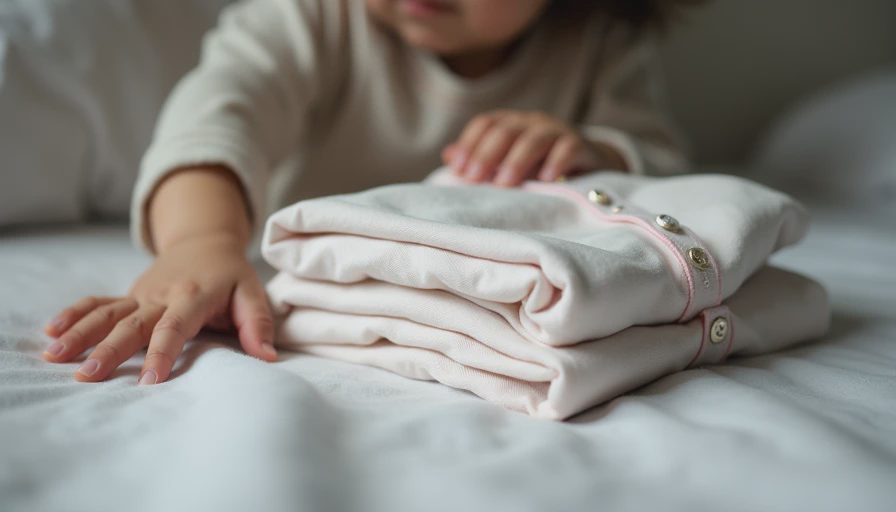
The smartest move is to buy by category, not by cuteness. If your baby hates over-the-head changes, favor side-snap or zip-front sleepers. If your laundry room is always behind, choose prints and medium colors that hide stains better than pure white. I keep at least one plain set of newborn cotton outfits in the diaper bag and one at home that is reserved for the next growth spurt, because tiny babies can change size fast in the first two weeks.
Sizing without overbuying
Sizing is where a lot of good intentions go sideways. Newborn sizing is often designed for babies around 5 to 8 pounds, while 0-3 months can be a much safer bet for average-size babies or anyone who seems likely to arrive a little bigger. That does not mean you should skip newborn size entirely. It just means you should treat it like a short-use size, not a full season. I usually buy a few pieces in each size, then wait to see what actually fits once the baby is home.
When I am choosing newborn cotton outfits, I also think about shrinkage. Cotton can tighten a bit in the dryer, especially if the fabric is thinner or the piece was not prewashed. That is one reason I like a slightly roomier sleeper over anything skin-tight. A little extra ease buys you more diaper room and fewer wrestling matches with tiny feet.
Another simple trick: keep the tags on one or two backup items until you know what shape your baby is. If the baby is long and lean, footed sleepers can run short first. If the baby is chunkier in the thighs, bodysuits with a little stretch tend to be the better everyday choice. That is why I would rather have a small, flexible wardrobe than a big pile of outfits in one size.
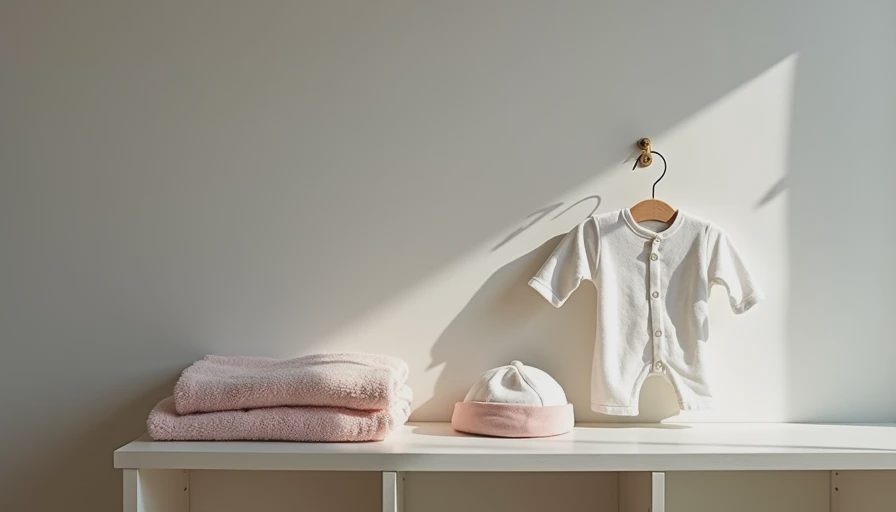
A small wash test from my laundry basket
My wash-score spreadsheet is full of the same lesson: fabric that feels nice on day one is not always the fabric that behaves after ten washes. The sleepers that do best in our house are the ones with sturdy snaps, a neckline that keeps its shape, and cotton that does not pill fast around the knees and cuffs. Thin fabric can still be fine, but if the knees fuzz up after three washes, it starts looking tired long before it is actually too small.
In plain terms, I look for pieces that survive the boring parts of baby life. They need to come out of the dryer without twisted seams, keep the color after a few hot messes, and stay soft enough that I do not reach for a different outfit just because it feels easier. That is what makes newborn cotton outfits worth the shelf space.
A simple way to shop at three price levels
If your budget is tight, start with a few well-made basics from Target, Old Navy, or Carter’s and keep the color palette simple so everything mixes. If you want a middle lane, shop Burt’s Bees Baby or similar brands during sales and focus on sleepers plus bodysuits. If you want a premium feel, Hanna Andersson or a higher-end organic line can be nice for the hand-feel and durability, especially if you plan to pass items down.
The goal is not perfection. It is having enough pieces that you are not doing laundry in panic mode, and not so many that half the drawer is never worn. For newborn cotton outfits, that balance usually lands somewhere smaller than most registries suggest.
Would I buy it again? Yes. Not in giant bundles, not in every print, but as a small, thoughtful set that makes the first weeks easier. If you keep the list tight, newborn cotton outfits do exactly what parents need: they dress the baby well, survive the wash, and do not make the morning harder than it already is.


Travellers Write
No letters yet — be the first traveller to write.