The gray kids hoodie looked perfect online. Three washes later, the cuffs had stretched, the fleece had formed little pills, and the zipper caught on Ella's shirt every morning. That was the year I started treating kids hoodies like any other wardrobe purchase: fewer pieces, clearer fabric information, and a quick check of how they actually fit real children.
A useful hoodie should cover several jobs. It needs to work over pajamas on a chilly school morning, under a rain jacket during a Portland playground trip, and as a warm layer after soccer. The best kids hoodies are not necessarily the most expensive. They simply have a comfortable shape, sturdy seams, and a fabric that matches how your child wears clothes.
Start With the Fabric, Not the Graphic
Cotton fleece is soft because the inside has been brushed into a fuzzy layer. It is warm and pleasant for fall, but brushed fibers can pill where a backpack strap or car-seat belt rubs. A cotton-polyester blend often dries faster and holds its shape better than 100 percent cotton. The trade-off is that it can feel less breathable and may not be what a child wants against bare skin.
French terry has small loops on the inside instead of a brushed nap. It is lighter, more breathable, and useful in spring or for children who run warm. It will not feel as cozy as thick fleece, but it usually layers more easily under a coat. For toddlers who spill frequently, a midweight cotton blend is often more practical than a heavyweight sweatshirt that takes all afternoon to dry.
Organic cotton describes how the cotton was grown and certified, not whether the garment is thick, soft, or durable. I like it when the price and construction make sense, but I do not treat the label as a guarantee of better wear. Check the seams, ribbing, and wash instructions too.
Choose the Shape for Actual Movement
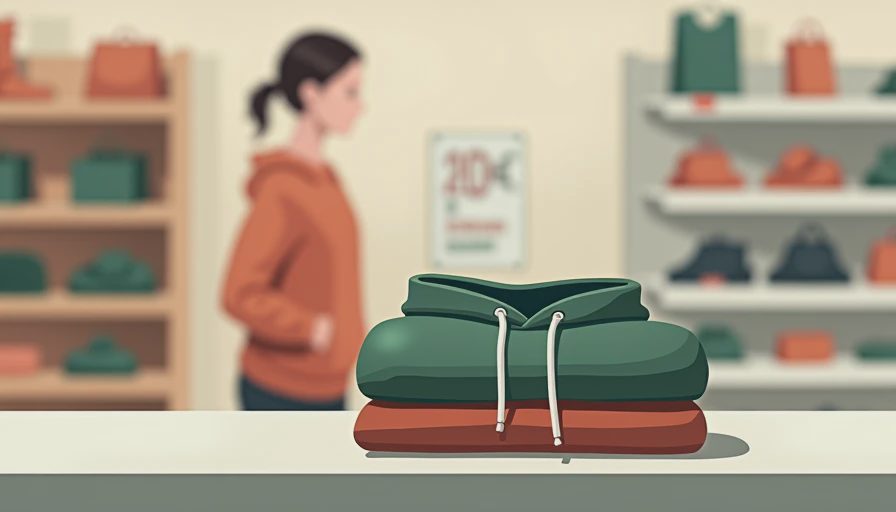
A good fit leaves room for a T-shirt underneath without becoming a blanket. Look for shoulder seams that sit near the shoulder bone, sleeves ending at the wrist, and a hem that covers the waistband when a child reaches up. For toddlers, avoid an oversized hood that slides over the eyes. A smaller hood with a soft edge is easier to live with.
Pullover kids hoodies are simple and usually cost less, often around $15 to $35 at mainstream retailers. They are quick for children who dress themselves, although a narrow neck opening can create a morning wrestling match. Quarter-zip styles cost a little more, commonly $25 to $50, and let you adjust ventilation. Full-zip versions are especially useful for preschoolers because a child can remove the layer without pulling it over a messy face.
Before ordering, measure a favorite sweatshirt from armpit to armpit and shoulder to hem. Compare those numbers with the size chart rather than assuming every medium fits the same. Some brands cut slim through the body, while others leave generous room for layering. A slightly relaxed fit is helpful, but sizing up two sizes usually creates sleeves that drag through lunch.
Details That Decide Whether It Survives
Ribbed cuffs should stretch over a hand and return to their original shape. If the cuff looks loose before the first wash, it is unlikely to improve. Examine the zipper guard at the chin, especially for younger children, and run the zipper up and down before removing tags. A zipper that snags in the store will be worse when a child is late for the bus.
Kangaroo pockets are fun, but they add stress at the side seams when children carry rocks, toy cars, or half a sandwich. On lightweight kids hoodies, I prefer a pocket with reinforced stitching or no front pocket at all. Printed graphics can crack after repeated drying, while embroidered designs may feel scratchy inside. Turn the garment inside out and feel the backing before buying.
A Julia Test Log entry from our house: one midweight cotton-poly hoodie at about $22 has survived two school years and more than 50 washes. The cuffs are faded, but the body still lies flat. A thicker $38 sweatshirt began pilling around the backpack straps before the first one reached its second season. Price helped, but fabric weight and friction mattered more.
Three Sensible Price Points
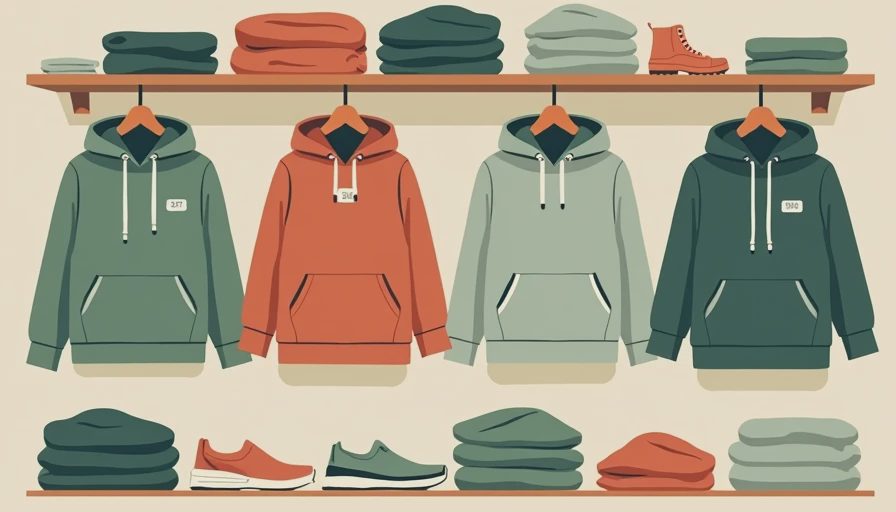
At the budget end, store-brand kids hoodies around $12 to $20 can be excellent play layers. Look for cotton blends, plain colors, and uncomplicated construction. Skip any piece that feels stiff, has twisting seams, or uses a zipper that catches. A basic navy or oatmeal sweatshirt is more likely to be worn often than a novelty print that matches only one outfit.
In the middle range, roughly $20 to $40, you will find better color choices, smoother interiors, and more consistent sizing. Lines from Primary, Cat & Jack, Uniqlo, and similar retailers can be worth comparing, but the individual garment matters more than the logo. I have not personally wash-tested every current collection, so check the fiber content and reviews for the exact style.
Above $40, kids hoodies should offer a noticeable benefit: especially strong ribbing, a useful outdoor fabric, a repair program, or a particularly good hand-me-down cut. A premium sweatshirt is not automatically the smarter buy. If your child stains sleeves daily, two washable mid-priced layers may serve your family better than one delicate favorite.
Washing Without Creating More Work
Close zippers, turn graphic sweatshirts inside out, and wash in cool or warm water according to the care label. Cold water is not magic, and hot water is not always harmful, but excessive heat can shrink cotton and make elastic fibers age faster. Use a normal amount of detergent; extra soap can leave fleece feeling rough.
Air-drying is gentlest, especially for printed styles. When I use the dryer, I choose a lower heat setting and remove sweatshirts while they are slightly damp. Lay thick fleece flat if the shoulders look stretched on a hanger. Do not scrub a stain aggressively before checking the fabric, because friction can create a pale patch that looks worse than the original food mark.
For hand-me-downs, record the child, size, fabric, and reason for retirement in a simple note. A hoodie with a faded graphic may still be perfect for a younger sibling, while one with loose cuffs belongs in the play-clothes drawer now. This small system keeps usable clothes moving instead of disappearing in a laundry pile.
My Small-Wardrobe Formula
Most children do not need a drawer full of sweatshirts. For a school-age child, I usually find three useful layers enough: one lightweight French terry piece, one everyday fleece, and one warmer hoodie for cold mornings. Choose colors that work with the pants already in the closet, then add a brighter option only if the child will reach for it.
The best kids hoodies should earn frequent wear, not sit untouched because the hood is scratchy or the sleeves are awkward. Involve your child in choosing between two practical options. A garment they like is more likely to be worn, washed, and handed down instead of abandoned on the bedroom floor.
Would I buy kids hoodies again? Yes, but I would buy fewer and inspect them more carefully. My repeat checklist is short: fabric suited to the season, cuffs that recover, a hood that stays put, seams that lie flat, and a price that feels reasonable for the number of washes ahead. That is enough to turn a sweatshirt from a hopeful purchase into a dependable part of the wardrobe.



Travellers Write
No letters yet — be the first traveller to write.