The first time I bought organic baby clothes for Maya, I picked the softest onesie on the rack and assumed I was done. After four hot washes, the neckline wobbled, the sleeves twisted, and the snaps felt like they were fighting me at 2 a.m. That was the moment I stopped shopping by label and started shopping by fabric, construction, and how often the piece would actually be worn. If you are trying to build a calmer baby wardrobe, organic baby clothes can be a smart buy, but only when they solve a real problem: comfort, repeat wear, and fewer laundry headaches.
What the label really means
The useful part of the label is the fiber content and the certification, not the halo effect. Organic cotton means the cotton was grown without synthetic pesticides and fertilizers, but the final garment can still be thin, shrinky, or badly sewn. GOTS, or the Global Organic Textile Standard, is the clearest mark to look for because it covers both fiber and some processing rules. OCS, the Organic Content Standard, confirms organic fiber content but does less on manufacturing. In plain English, certification tells you something real; it does not tell you the shirt will fit well after month three. For me, organic baby clothes earn their keep when the fabric is a medium-weight jersey or rib knit, the seams lie flat, and the care tag is simple enough for a normal family wash.
Where it earns its keep
I reach for organic baby clothes first on the pieces that touch skin all day: bodysuits, sleepers, swaddles, and crib sheets. That is where a softer hand feel and fewer scratchy details actually matter. A baby can outgrow a cute sweater in six weeks, but a sleeper may be washed every other day for months, so the math changes fast. In my wash log, the best performers are usually thicker knits with a little stretch and sturdy snaps that do not warp after drying. The bargain-bin version often feels fine in the store and then gets limp at the elbows by wash ten. I also pay attention to sizing, because a good cut can make a modest fabric feel much better than a fancy one that runs narrow or long. If you shop this way, you do not need a closet full of special pieces; you need a small stack of reliable ones that can rotate, stain, and survive one more round.
How to compare price without guessing
Price is where parents get tricked. A $12 onesie can be a better buy than a $28 one if the cheaper piece keeps its shape, but that only happens when the fabric is dense and the cut is practical. I usually think in three bands. Under $15 is where you can find basic sleepers and bodysuits from mass-market labels, especially on sale, and those are fine if you inspect the knit and avoid anything paper-thin. Around $15 to $30 is the sweet spot for many organic baby clothes brands that do a better job with seams, prints, and consistent sizing. In that middle band, brands like Burt's Bees Baby or Primary are often popular because they keep the design simple and the fabric soft without piling on extra fuss. Above $30, you should expect a heavier fabric, longer wear, or a design detail you will truly use, like double zippers or fold-over cuffs. If a piece is expensive and delicate at the same time, it needs a very good reason to exist in a baby drawer.
What to inspect before you click buy
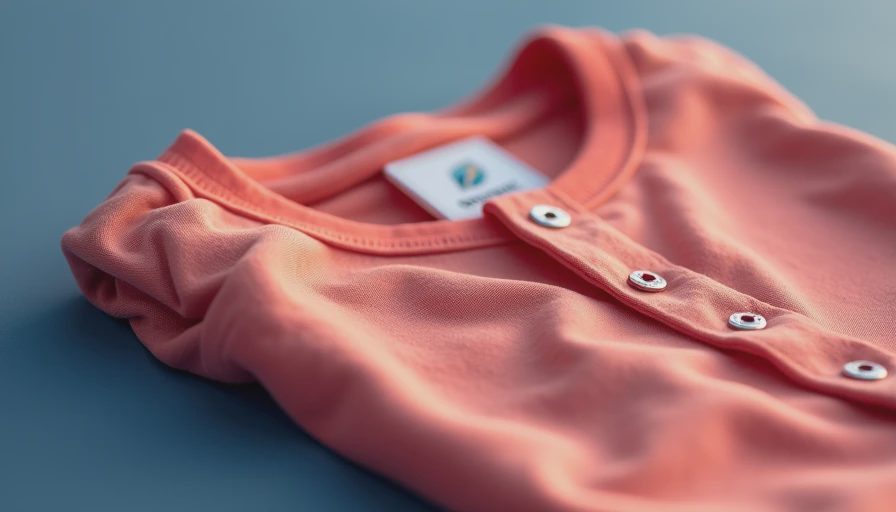
The care tag tells you more than the product page does, and with organic baby clothes I pay extra attention to wash instructions. If it says cold wash and low heat dry, that is manageable. If it wants line drying and special handling for a baby sleeper, I usually pass unless it is a gift or a special-occasion piece. I also check the neck opening, because a wide envelope neck saves frustration during blowouts and outfit changes. Flat seams matter more than pretty prints, especially for sensitive newborn skin and chubby thighs. Snaps should feel firm, not sharp. If the inner label is scratchy, that matters more than the marketing copy. And if the item is dyed in a dark color, I look for reviews that mention bleed or fading after the first few washes. The goal is not perfection. The goal is a garment you can toss in the hamper without thinking twice.
When to skip it
Not every baby item needs the organic treatment. Socks, backup bibs, daycare extras, and outer layers that barely touch skin are usually better judged by durability and price. If you already have hand-me-down pajamas that are soft and sturdy, use them. That is the whole less-but-better idea. I also skip it when the cut is fussy, because a fussy garment becomes a laundry orphan very quickly. Ruffles, tiny buttons, and dry-clean-only instructions do not belong in a normal baby routine unless you have a very specific occasion in mind. For families watching budget, I would rather see two excellent sleepers and one good swaddle than four trendy pieces that look pretty in photos and annoy you at midnight. If you are shopping for a registry, I would put size ranges on the list instead of only newborn pieces, because babies can outgrow that first stack in a blink.
My buy-again rule
Would I buy organic baby clothes again? Yes, but selectively. I would buy them for the items that get washed the most, worn closest to the body, and handed down if they stay in shape. I would not pay a premium just to say the word organic aloud in a shopping cart. The best buys are usually the middle-ground pieces: soft enough for daily wear, sturdy enough for repeated drying, and simple enough to pass from one child to the next. That is where the value shows up in real life, not in the checkout total. If you are building a baby drawer from scratch, start with three to five core pieces, test them for a month, then decide where the extra money actually helps. That is how I shop now, and it has saved me from a lot of cute mistakes.


Travellers Write
No letters yet — be the first traveller to write.