I still remember the pink unicorn romper. My oldest daughter wore it twice before the zipper stuck, and by wash three the snaps popped off. I spent hours shopping for baby girl clothes that looked adorable in the store, then watched them fall apart in the wash. Sound familiar? Six years and three kids later, I keep a spreadsheet of every garment we own — purchase price, washes survived, and why it finally left the rotation. What I've learned has saved my sanity and my budget.
Why "Less But Better" Changes Everything
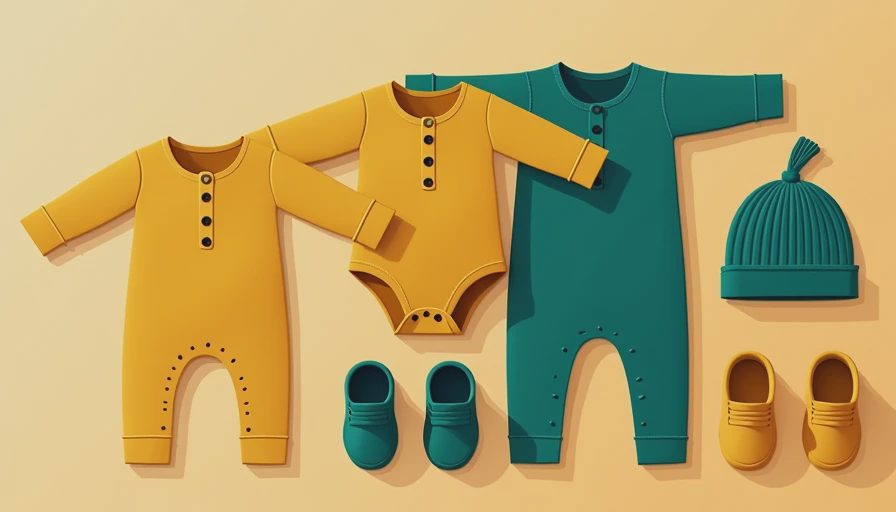
When my second daughter came along, I told myself I would be smarter. No more buying every cute thing that popped up in my feed. Instead, I built a small baby girl clothes capsule around what my kids actually wore. That meant 7 footie pajamas, 8 long-sleeve bodysuits, 5 pairs of leggings, 2 cardigans, and 3 soft dresses for special occasions. Every piece had to work with at least two others. If it didn't, it didn't come home.
The shift wasn't just about money — although I cut our clothing spend in half that year. It was about time. Fewer clothes meant less laundry sorting, fewer drawers overflowing, and way less stress over which outfit matched. The kids didn't care that they were wearing the same five colors every week. They were comfortable, and they looked put-together because everything coordinated.
What to Actually Buy: The Capsule Pieces That Earn Their Keep
Here's the thing about baby girl clothes: babies don't need a full closet of frilly dresses. They need soft, flexible pieces that survive crawling, teething drool, and endless diaper changes. Start with bodysuits that have envelope shoulders or snap crotches — both make middle-of-the-night changes easier. Look for footed pajamas with zippers instead of buttons, and avoid anything with rough seams or tags that touch the neck. Buntings and cardigans beat heavy coats for car seats, and fold-over mitts on newborn sleepers save tiny fingernails from scratching little cheeks.

For the capsule, choose colors that hide stains. Patterns like gingham, stripes, or ditsy florals do a better job than solid white, and mid-tone colors like mustard, rust, and dusty blue are surprisingly forgiving. We buy the basics from Primary and Old Navy because their cotton holds up well, and Hanna Andersson has the best baby girl Christmas pajamas in my opinion. Carter's is fine for play clothes if you catch sales, but keep an eye on the snaps and gussets — they're often the first thing to go.
Fabric Science at the Kitchen Table
Let's talk about cotton. Not all cotton is the same. The cheap "jersey knits" from fast-fashion stores are often loosely knitted, so they pill and lose shape in six washes. Look for a higher GSM or a tighter weave — and pay attention to the feel. When you stretch the fabric in the store, it should bounce back, not sag. Organic cotton isn't magical, but it's usually softer because it's not treated with heavy finishing chemicals. That makes it a win for sensitive skin, and it's often better for the environment too. Just know that organic doesn't automatically mean durable. You still have to check the stitching and seams.
Bamboo viscose, like the stuff from Kyte Baby and Little Sleepies, is another popular choice. It's buttery soft and great for babies who run hot at night. The tradeoff is that bamboo can stretch out in the wash, and it requires delicate care. If you buy bamboo, hang dry it or use the low-heat setting, and skip the dryer sheets.
How We Wash (and What Survives)
My wash routine is simple: cold water, gentle detergent, and a heavy-duty cycle only for things that are visibly dirty. Half of the damage done to baby girl clothes happens in the dryer, not the washer. I line dry anything with a print or elastic, and I use a delicates bag for socks and tiny accessories. Stain treatment happens before the wash, not after — a little dish soap and water on food stains beats any store-bought remover I've tried.
If you want your clothes to last, sort by color and fabric weight. That sounds obvious, but most people throw a terry robe in with delicate knits and wonder why the knits get pill balls. Fabric softener is another culprit. It builds up on fibers and makes them less absorbent, which is the exact opposite of what you want in a burp rag. Skip it. Vinegar in the rinse cycle does the same softening job without the residue.
New vs. Hand-Me-Down: What's Worth Full Price
You don't need to buy every piece brand new. Hand-me-downs and secondhand stores are incredibly helpful for baby girl clothes — especially for outerwear and pajamas, which kids outgrow fast. I've gotten nearly new Boden dresses and Baby Gap leggings at consignment sales for a third of their retail price. What I do spend full price on is underwear, socks, and anything that touches the skin for hours at a time, like sleepers. New socks and underwear just feel better, and they stay softer after repeated washing.
When you're buying new, wait for the big seasonal sales. Baby clothes go on deep clearance at the end of January and July. That's when I stock up on next year's sizes. I also set a simple rule: if a piece doesn't fit with at least two outfits already in the drawer, it goes back. That one rule stopped most of my impulse buys.
So, What Actually Works?
The short version? Buy fewer pieces, pick better fabrics, and let the clothes work hard for you. My favorite baby girl clothes in our house right now are a set of cotton rompers from Primary that have survived 40 washes and two kids. Would I buy them again? Yes. The unicorn romper from my firstborn? No — I only wish I knew then what a wash-score spreadsheet can teach you in a year.


Travellers Write
No letters yet — be the first traveller to write.