Newborn Clothes: How to Build a Baby Wardrobe That Actually Works
When my first daughter was born, I bought 14 newborn sleepers in three different patterns. By the time she was a month old, exactly three fit her, and two of them were the kind of fabric that pills after one wash. I learned the hard way that newborn clothes don't need to be a collection, they need to be a system. So here is what I tell friends: start smaller, read the fabric label, and plan for growth.
What Your Newborn Actually Needs (and What to Skip)
Newborn clothes are one of those categories where parents overbuy because everything is tiny and cute. But the basics matter more than the bows. For the first three months, you need around seven to ten sleepers or onesies, a handful of swaddles, and two or three going-out outfits. That's it. Most babies live in the same rotating set of soft cotton pieces, and the rest of the dresser stays untouched.
Look for side-snap tees for the first few weeks, because you will not want to pull anything over a fresh umbilical stump. Kimono-style tops and sleepers with zippers from the bottom up make midnight changes easier. And skip the newborn jeans and sweater sets — they look great in photos and feel awful against skin.
The idea that newborn clothes need to be elaborate is a marketing trick. I've bought the outfit with the matching hat and booties exactly once. You are better off with one extra pack of plain onesies than one complicated outfit.
The Fabric Rules That Matter for Newborn Clothes
Let's talk about what touches the skin. The safest, most practical newborn clothes are made from 100% cotton, cotton blends, or bamboo viscose. Organic cotton is nice, but you don't need to buy the whole wardrobe from premium brands. What matters most is the weave. A tight-knit cotton with a smooth surface will survive repeated washing and stay soft. A loosely knit fabric — often labeled "brushed" or "fluffy" — will pill by week two.
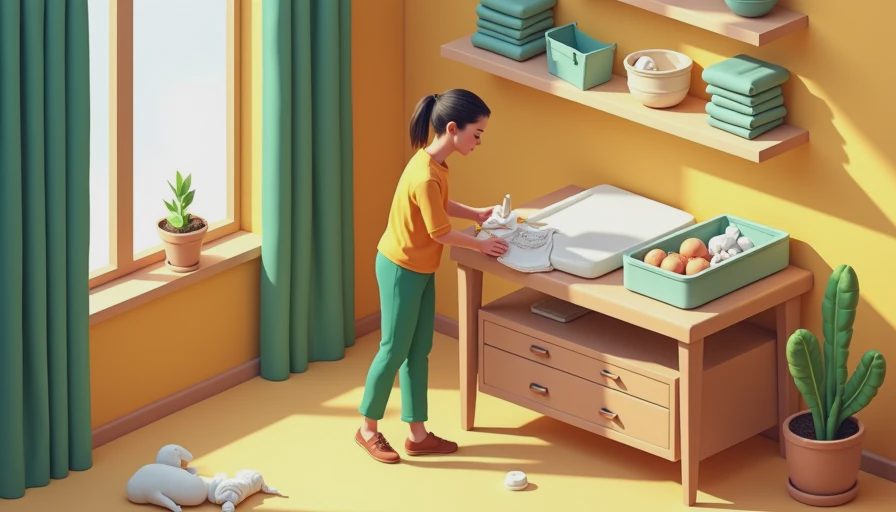
Remember how I mentioned my spreadsheet? In our house, the winning fabric is mid-weight cotton jersey. It breathes, it doesn't pill, and it holds up to the puke-and-laundry cycle. Bamboo viscose feels buttery, but it can stretch out of shape in the dryer.
For newborn clothes, I stick to machine-washable, low-maintenance fabrics only. If a garment needs special treatment, it is not a baby garment. Check the care tag before you add it to the cart. If it says "dry clean" or "hand wash," put it back. You will not have time to hand wash anything.
How Many Newborn Clothes Should You Really Own?
Short answer: enough for one load of laundry every three days. That means seven to ten onesies or sleepers, five or six pairs of pants or footies, and two or three warmer layers. If you have a baby who spits up constantly, you'll want a few extra. If you have access to a washer and dryer, you don't need the full dresser.
One trick from our three kids: buy your newborn clothes in two overlapping sizes. A 0–3 month outfit will fit a small baby for longer than a straight newborn size, and most babies outgrow the newborn category within a month or two. In my experience, a 7-pound baby will wear newborn for about three weeks, and a 9-pound baby will skip it entirely. Buy the 0–3 month for the long game.
What I Learned From Three Seasons of Newborn Clothes
With our first, I bought everything in newborn and ended up donating half. With our second, I made the same mistake with 0–3 months. By the third, I followed the simple rule: buy a week's worth, wash it, and replace what doesn't survive. That saved me money and closet space.
I also learned that zippers beat snaps after midnight. And that white socks disappear no matter what. And that the "baby clothes" section at a big-box store is not a place to make rational decisions at 2 a.m. — write your list before you open the app.
The other thing I learned: hand-me-downs are not a moral failing. If a friend offers you a giant bag of baby clothes, take it, wash it, and use what fits. You can fill in the gaps with a few new pieces that match your taste and the season.
A Simple Newborn Clothes Shopping Plan
Here's the plan I give to friends. Start with two days' worth of layette basics: sleepers, onesies, and a few swaddle blankets. Wait until the baby is born to buy sizes and brands based on weight. Take back the unopened stuff that doesn't fit. And when you do shop, check the care tag the same way you would for your own clothes — if it says "dry clean only" or "lay flat to dry," hand it back.
Set a price anchor. You can build a good newborn wardrobe for $100 to $150 if you mix store-brand basics with a few higher-end pieces. Our favorite balance: five or six cotton onesies at $8 to $12, two or three soft sleepers at $15 to $20, and one or two special-occasion outfits under $30. You do not need a $60 newborn jacket. That child will not wear it.
The Takeaway: Buy Less, Worry Less
Newborn clothes don't have to be a battle. When you buy less and choose better, you end up with fewer, softer, more useful pieces. The baby does not care if the outfit is branded. The baby cares if the fabric is soft and the diaper change is fast. If you make mistakes, I promise it's okay — my closet is full of them. Just wash, fold, and try again.


Travellers Write
No letters yet — be the first traveller to write.