When my first child was born, I bought baby clothes like I was stocking a store. One onesie in every color, three different sizes of sleepers, and a pile of outfits that never made it out of the drawer. By the time my third kid arrived, I had a different system: fewer pieces, better fabric, and a wash-test spreadsheet that tells me exactly what survives. Here is everything I wish someone had told me about buying baby clothes before I spent too much money.
The six baby clothes essentials you actually need
A newborn doesn't need a wardrobe. In the first three months, your baby will mostly sleep, eat, and go through a shocking number of diaper changes. The pieces that matter are the ones that open easily at the bottom and close safely at the neck. Start with six long-sleeve bodysuits, six short-sleeve onesies, two zippered sleepers, two pairs of soft pants, one cardigan or fleece jacket, and a stack of bibs. That's roughly fifteen items, and it's enough to rotate through a laundry cycle without panic. Skip the shoe-cover sets, the headbands, and the outfits with more buttons than practical use.
Why so little? Because babies grow faster than you expect. In the first year, most go through four to six sizes. That means a full dresser of tiny clothes will be outgrown before half of them get worn. Buying a smaller capsule per size keeps your spending down and makes each piece count.
How to read a baby clothes care tag like a pro
Care tags tell you what a fabric is made of, and that matters more than the brand name. Look for 100% cotton when you want breathability and softness. Cotton interlock is thicker than jersey, so it holds up better when a baby is learning to crawl. Bamboo rayon feels silky but pills quickly, and it's not as durable for everyday wear. Polyester blends dry fast and come in handy for outerwear, but they can trap heat against the skin.
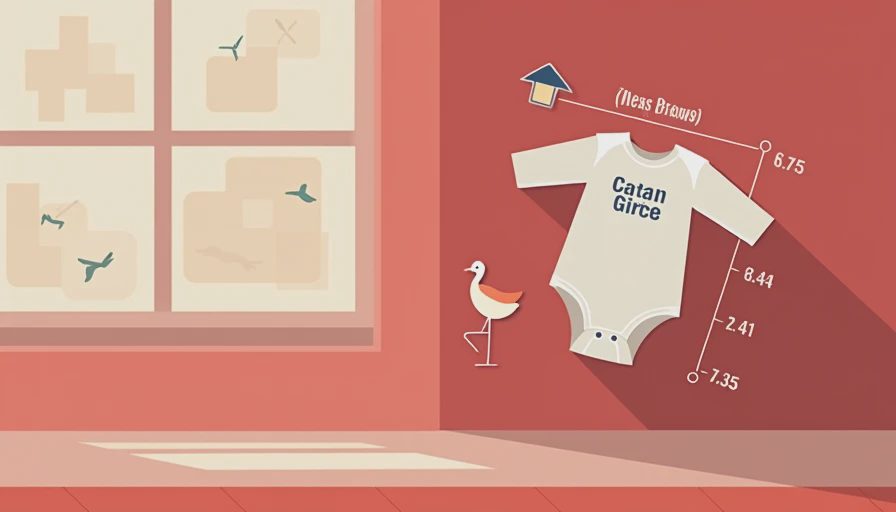
The phrase "pre-shrunk" is a good sign, but it doesn't mean zero shrinking. Wash cold, dry on low, and avoid fabric softeners on cotton. Softeners coat the fibers with a film that breaks down the weave over time. If you see pilling after the first few washes, it's the fabric quality, not your washing machine.
How many baby clothes do you really need per size?
For each size, plan about two weeks' worth of clothing. That's roughly six to eight onesies, two or three sleepers, and a few pairs of pants. If your baby goes through three outfits a day, you need a buffer for laundry delays. For hand-me-downs, sort by season and size before you store them. Label bags with the size and the months that work best, so you know exactly what to pull out next.
The best baby clothes are the ones you can ignore. If a piece needs special handling or constant adjusting, it's not doing its job. Test every zipper, snap, and tag before you buy. If the zipper catches or the neck opening is tight, leave it on the rack, even when it's on sale.
Where to spend and where to save on baby clothes
Your money should go to the pieces that take the most abuse: sleepers, zippered onesies, and pants. These need strong stitching, durable zippers, and cotton that stays soft after dozens of washes. Dollar-wise, expect to pay between $12 and $25 for a good sleeper from a mid-range brand. Budget brands can work if the fabric is thick enough, but check the seams before you commit.
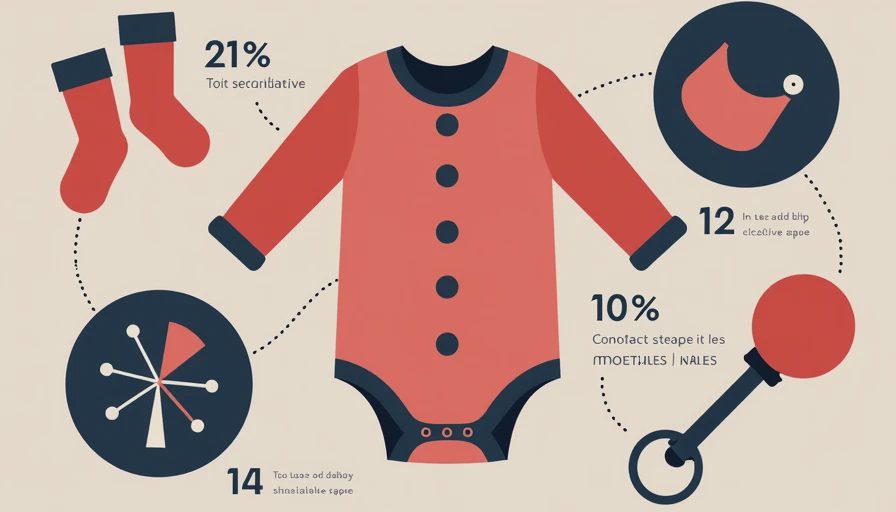
Save on the extras: party outfits, holiday pieces, and photo-session outfits. These get worn once or twice, so a $10 option from a discount store is fine. The same goes for socks, mittens, and hats — you'll lose half of them anyway. Borrow or buy secondhand for outerwear like snowsuits and rain jackets. Baby clothing resale sites and local consignment shops are full of affordable options that have plenty of life left.
My wash-test method for baby clothes
When I review a new piece, I wash it ten times before I form an opinion. I log the purchase price, the fabric, the washes survived, and how it came out. If a shirt pills, it's a fail. If the hem twists, it's a fail. If the color fades unevenly, it's a fail. My current winner is a $14 organic cotton bodysuit that has survived 40 washes and still looks about the same as the day it arrived. That is the kind of value I care about.
This method also taught me to ignore price tags as a quality signal. A $30 designer onesie can pill at the shoulders just like a budget one. What matters is the construction — flat seams, reinforced snaps, and fabric weight. For a newborn, choose pieces with fold-over cuffs on the hands, because those prevent face scratches better than mittens that fall off.
Would I buy it again?
If I had to start over with my first baby, I would buy a small capsule in each size, choose cotton interlock over flimsy jersey, and skip the decorative nonsense. My honest verdict on most fast-fashion baby clothes is "no" — not because they're bad, but because you'll end up replacing them twice as often. Quality basics at a reasonable price are the one thing I buy again and again.
Use the money you save to invest in one or two beautiful pieces for special occasions. Dress your baby in clothes that are soft, washable, and uncomplicated. They won't remember the labels, but you'll remember how easy it was to get out the door in the morning.


Travellers Write
No letters yet — be the first traveller to write.