The first suit I bought for Jack looked adorable on the hanger and lasted exactly one family event. By the end of dinner, the jacket sleeve had picked up mashed potato, the trousers were tight when he sat down, and the shiny fabric showed every wrinkle. That experience changed how I shop for kids suits. A good outfit has to look polished in photos, but it also needs room for movement, a tolerable fabric, and a realistic cleaning routine.
For most families, a child does not need a closet full of formalwear. One dependable outfit can cover a wedding, holiday dinner, school concert, family pictures, and the occasional ceremony. The trick is choosing the right level of structure instead of buying the most miniature adult-looking set you can find.
What to Look For in Kids Suits
Start with the fabric. A wool blend can breathe better and resist wrinkles, but it often costs more and may require dry cleaning. Polyester or polyester-rayon blends are usually easier on a family budget and can handle frequent wear, although low-quality versions can feel hot or develop a slick shine. Cotton twill is comfortable and softer against the skin, but it wrinkles more quickly and tends to look less formal.
For younger children, I usually prefer a cotton-blend shirt with a lightweight woven jacket and trousers that include an adjustable waist. A little stretch in the pants is useful for sitting on the floor, climbing into a car seat, or eating a long meal. Look for elastane or spandex in a small percentage rather than a fully stretchy, thin fabric that loses its shape.
The lining matters, too. A smooth polyester lining helps a jacket slide over a shirt, but a partly lined or unlined jacket can be cooler for an outdoor summer event. Check the seams around the armholes and pockets. Loose threads are not an automatic dealbreaker, but several unfinished seams on a brand-new jacket suggest that it will not handle enthusiastic play particularly well.
The most useful kids suits are not necessarily the stiffest ones. A soft shoulder, moderate lapel, and single-breasted front usually feel less restrictive than heavy padding and a narrow cut. Let your child raise both arms before removing the tags. If the jacket pulls across the back or the sleeve climbs several inches, choose another size or cut.
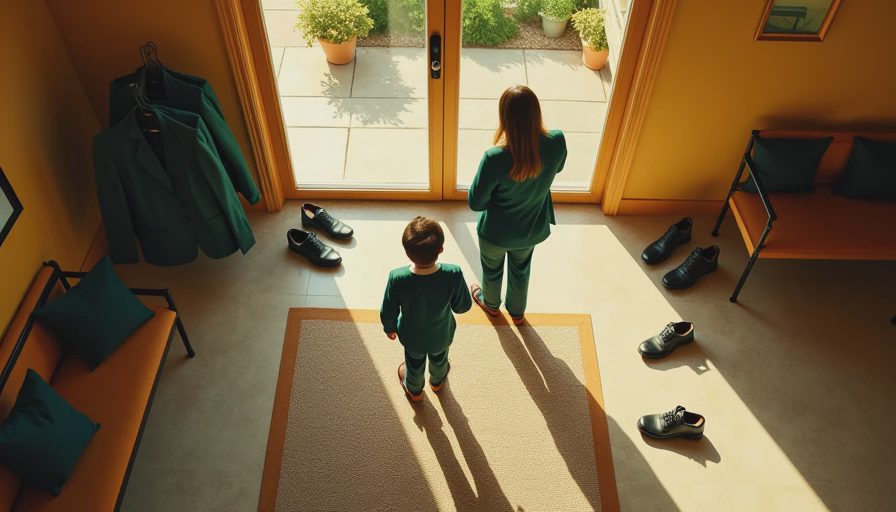
Choosing the Right Fit for Different Ages
Babies and toddlers need comfort first. A tiny blazer with a crisp shirt can be charming for photographs, but a full three-piece outfit may be too warm and fussy for a two-hour event. For this age, consider a soft collared romper, elastic-waist trousers, and a washable vest. The vest gives a formal look without adding a restrictive jacket while your child is crawling or being carried.
Preschoolers can usually manage a proper jacket, especially if it has a flexible lining and a simple front closure. Buy the trousers based on the waist and rise rather than the label size. Children with longer legs may need a different cut, while a child with a rounder middle may be more comfortable in adjustable trousers with a flat front. Tailoring a hem is often cheaper than replacing an entire outfit, but do not count on taking in several inches at the waist.
For elementary-age children, fit becomes easier to judge because they can describe what feels wrong. Ask whether the collar scratches, whether the waistband digs in, and whether they can sit comfortably. A jacket should cover the seat without hanging far below it. Sleeves generally look tidy when they reach the wrist bone, with a small amount of shirt cuff showing.
A growth spurt is the reason I avoid buying formal clothes months ahead. One size larger can work if the shoulders still sit correctly, but oversized shoulders make even expensive kids suits look borrowed. If the event is close, measure the child’s chest, waist, inseam, and sleeve length, then compare those numbers with the seller’s chart rather than relying only on age ranges.
Building One Outfit Instead of Buying a Costume
A versatile suit starts with neutral color. Navy, charcoal, and medium gray work with white, pale blue, or striped shirts and can be separated later. A navy blazer with chinos may become a school concert outfit, while the matching trousers can pair with a sweater for a less formal dinner. Black can look sharp, but it is less forgiving for daytime events and harder to reuse casually.
Keep the shirt simple. A button-down in cotton or cotton oxford is usually more wearable than a glossy satin-style shirt. If your child dislikes collars, a knit polo under the jacket can still look neat at a relaxed wedding or family gathering. Ties are optional for many occasions, and a clip-on style is practical for children who will pull at a traditional knot.
Shoes should be broken in before the event. Clean leather or faux-leather dress shoes are fine, but plain loafers, dark sneakers with a low-profile design, or brown oxfords can work depending on the dress code. Match the formality of the shoes to the venue instead of forcing a child into uncomfortable footwear for a single photograph.
When comparing kids suits, calculate the outfit price, expected uses, and care cost. A $45 set that can be machine washed and worn four times may serve your family better than a $120 set that needs professional cleaning after every spill. At the other end, a very cheap set under $25 can be reasonable for one event if the fit is good and you accept that the fabric may not survive younger siblings.
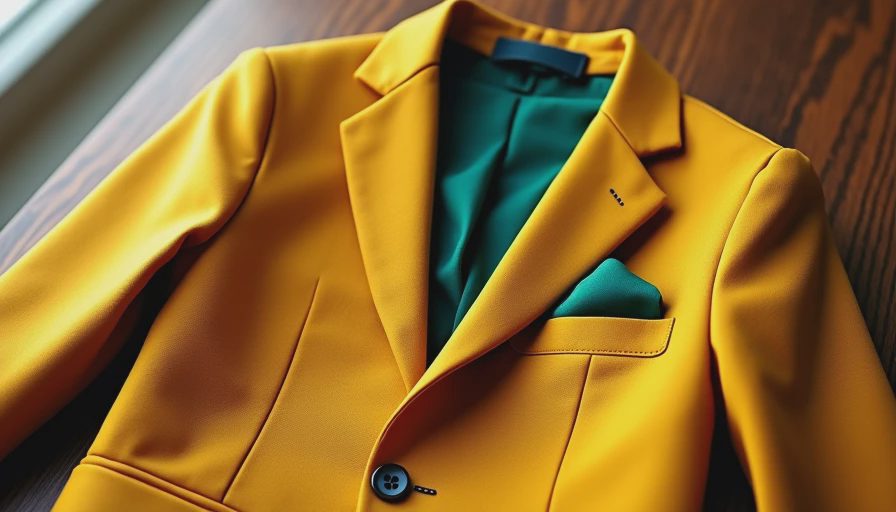
Care, Stains, and Hand-Me-Down Potential
Read the care label before buying. “Dry clean only” is not automatically bad, but it changes the real price of ownership. For most children’s formalwear, spot-cleaning the jacket and washing the trousers according to the label is more practical than sending everything out. Use a damp cloth for fresh food marks, and avoid rubbing aggressively because that can spread the stain or roughen the surface.
Hang the jacket on a broad hanger rather than folding it into a drawer. Empty pockets after each event, brush away crumbs, and let the garment air out before storing it. Trousers benefit from a proper hanger or a loose fold; packing them tightly while damp from rain or sweat encourages odors and wrinkles.
For hand-me-downs, inspect the knees, seat, cuffs, and inside waistband. Those areas show wear before the rest of the outfit does. A charcoal jacket can move from one child to another more easily than a bright seasonal color, and adjustable trousers give you a better chance of getting two years of use. Photograph the size tag and measurements before storing the set so you do not have to guess later.
My Julia Test Log note is simple: the sets that stayed in rotation had flexible trousers, a jacket with enough room through the shoulders, and fabric that did not punish us for one spilled drink. The most expensive outfit was not the one we reached for most often.
A Practical Shopping Plan for the Next Event
Begin by checking the invitation or venue so you know whether the outfit should be formal, semi-formal, or simply tidy. Then inventory what your child already owns. You may need only trousers and a jacket if a suitable shirt is in the drawer. Try everything on while your child sits, bends, reaches, and walks quickly. Formal clothes should not turn a normal child into a statue.
Give yourself enough time for one exchange and, if necessary, a basic hem. Order a backup shirt rather than a second complete suit when the event is important. Keep receipts and tags until the child has worn the outfit indoors for several minutes. This catches scratchy collars, slipping waistbands, and awkward armholes before the day arrives.
For families shopping at different price points, department-store sets around $40 to $80 can be a sensible middle ground. Budget retailers sometimes offer kids suits under $35, especially during seasonal sales. Higher-priced wool-blend or tailored options can exceed $100, but they make the most sense when a child attends several formal events each year. The best purchase is the one that matches your actual calendar, laundry habits, and child’s tolerance for dressing up.
Would I buy kids suits again? Yes, but I would buy one flexible navy or gray set, choose comfort over stiff details, and avoid sizing up excessively. A well-fitting outfit that survives dinner, dancing, and the ride home is far more useful than a perfect-looking set that no child wants to wear.


Travellers Write
No letters yet — be the first traveller to write.