Last December, Ella wore a velvet dress for exactly 11 minutes before the waistband bothered her. Jack refused his collared shirt because the buttons scratched his neck, and Maya decorated her sweater with applesauce before we reached the family photo. That is when I stopped treating christmas outfits as tiny formalwear and started planning them around real children: movement, snacks, naps, and an unreasonable amount of laundry.
The best holiday clothing still feels special, but it should also work for sitting on the floor, opening presents, and running after a cousin. With a few dependable pieces and sensible fabric choices, you can make festive dressing easier without buying a separate outfit for every December event.
Start with the event, not the sparkle
Before shopping, list the actual occasions. A school concert might call for a neat top and dark pants, while a family dinner allows a dress, cardigan, or soft button-up. A casual cookie exchange probably needs washable clothes that can survive flour, frosting, and a trip to the playground afterward. One strong outfit can often cover two or three events with a change of shoes or a different layer.
For babies and toddlers, comfort has to lead. A cotton jersey dress over leggings is easier than a stiff party dress when someone needs a diaper change. A knit polo with pull-on pants looks tidy but still bends easily. For older children, ask what they will agree to wear before buying anything. The most beautiful christmas outfits are not useful if they stay on a hanger because a child dislikes the sleeves.
Color can create a holiday feeling without relying on glitter. Forest green, cranberry, cream, navy, and warm brown combine well with ordinary wardrobe pieces. A red sweater with jeans can look festive enough for pictures, then keep working through January. That is a better purchase than a sequined item worn once.

Choose fabrics that survive December
Fabric labels tell you more than the price tag. Cotton jersey is soft, stretchy, and easy to wash, although thin jersey can twist or develop small holes around the elbows. Cotton twill and corduroy are sturdier choices for pants and skirts. French terry gives you a sweatshirt feel with a cleaner appearance, making it useful for children who dislike formal clothing.
Velvet looks lovely in photos, but its texture can feel warm and restrictive. If you choose it, look for a soft lining and room through the shoulders. Polyester satin is inexpensive and bright, yet it can feel clammy and show every crease. A cotton-polyester blend may offer easier care and better shape retention than either fabric alone. The label will not predict everything, so turn a garment inside out and inspect seams, elastic, and closures.
Avoid putting scratchy tulle, rough labels, or stiff waistbands next to sensitive skin. A thin cotton undershirt can make a fancy dress wearable, but it is simpler to choose a comfortable base layer from the start. I also look for washing instructions that match our household. If a garment says hand wash only, it is unlikely to become a frequent favorite here.
Julia Test Log
A holiday sweater in our wash spreadsheet reached 18 washes before the cuffs lost their shape. It cost less than the special-occasion cardigan beside it, which pilled after seven washes. The difference was a tighter knit and a simpler cotton blend, not a more impressive label. For christmas outfits, construction usually matters more than decoration.
Build around one memorable piece
A small capsule makes dressing faster. Start with one focal item: a patterned dress, velvet skirt, fair-isle sweater, or plaid overshirt. Add quiet basics that will not compete with it. For example, a cranberry dress can work with gray tights and a cardigan, while the same cardigan can go over pajamas during a chilly morning. A tartan shirt can pair with corduroy pants for dinner and denim for a school event.
For a baby, try two soft bodysuits, one knit layer, one pair of leggings, and a cardigan or romper. For a preschooler, three tops, two bottoms, and one comfortable dress or jumpsuit can cover most holiday plans. Tweens often need only one polished top, one dark bottom, and a warm layer. The goal is not a miniature closet full of themed clothing; it is a few pieces that connect to what your child already owns.
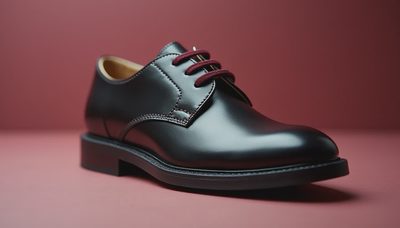
Shoes deserve practical attention. Clean sneakers can look perfectly appropriate with a sweater and dark pants. Mary Janes, boots, or loafers add polish, but check that your child can walk comfortably in them before an event. New shoes and a long family photo session are a poor combination.

Make christmas outfits easier to wear
Try every outfit at least several days before the event. Have your child sit, squat, raise both arms, and walk across the room. Check whether tights slide down, sleeves ride up, or a waistband digs in. Let a toddler wear the outfit for 20 minutes while playing quietly. That small test can reveal a problem while there is still time to fix it.
Wash new clothes before wearing them, especially items with strong finishing odors or stiff fabric. Follow the care label, but use a cool wash and gentle detergent for most cotton knits. Air-drying helps elastic and printed designs last longer. For a stain, rinse promptly with cool water and use a small amount of detergent before washing. Heat can set food stains, so do not put a marked garment straight into the dryer.
Keep a backup plan in the car or at the event. A spare shirt, tights, or leggings takes little room and prevents one spilled drink from ending the evening. For babies, pack an entire second base layer rather than only a bib. Holiday photos happen quickly, and calm parents usually take better pictures than perfectly coordinated ones.
Shop at three practical price points
At the budget level, look for a $10 to $20 cotton top, leggings, or sweater in a color that works beyond the holiday. Mid-range pieces around $25 to $50 can be worthwhile when the seams are stronger, the fabric is denser, or the item can serve as everyday wear afterward. A higher-priced garment can make sense around $60 or more when it has excellent construction, a useful resale market, or enough versatility for several children, but a high price does not guarantee comfort.
Secondhand shops are especially useful for christmas outfits because children often outgrow formal pieces before wearing them out. Inspect underarms, knees, hems, and elastic. Check for missing buttons and hidden stains under bright light. Borrowing from a sibling, cousin, or neighborhood clothing swap is also a sensible way to get a special print without adding permanent clutter.
My favorite formula is one festive piece, two comfortable basics, and a layer for warmth. It keeps the look intentional while allowing the child to move normally. If a purchase cannot be worn after December, I need a very good reason to buy it.
The final outfit check
The right christmas outfits should survive more than a photograph. They should let a child sit through dinner, play with a new toy, spill something small, and still feel like themselves. Choose soft layers, inspect the construction, and test the fit before the calendar fills up. Coordinate colors rather than forcing matching sets, and remember that a familiar pair of shoes can make a new outfit feel much easier.
Would I buy another holiday-only outfit? Maybe, but only when it fills a real gap. Most years, I would buy a washable sweater, a good pair of dark pants, or a comfortable dress that earns its place well after the decorations come down. That is how christmas outfits become part of a useful wardrobe instead of another pile in the laundry room.


Travellers Write
No letters yet — be the first traveller to write.