The first pair of boys dress shoes I bought for Jack looked perfect in the store. They were shiny, stiff, and discounted to $18. Two hours into a family wedding, he was walking like a tiny robot and asking to take them off. That afternoon taught me that boys dress shoes need to do more than match a nice outfit. They need enough flexibility for normal feet, room for movement, and construction that can handle grass, stairs, and an emergency game of tag.
For most children, one well-chosen pair is enough. A versatile black or dark brown style can work with dress pants, khakis, corduroy, school uniforms, and even clean dark jeans. The trick is choosing the right shape and using the shoes often enough that they do not become an expensive object in the back of a closet.
What to Look for in Boys Dress Shoes
Start with fit, not color. A child should have roughly a thumb's width between the longest toe and the front of the shoe when standing. The heel should stay in place without the laces or strap being tightened until the shoe pinches. Have your child walk, bend, and climb a step in both shoes. A pair that feels fine while sitting can rub the heel as soon as a child starts moving.
Look for a flexible sole that bends near the ball of the foot rather than folding in the middle. Younger children often do better with lightweight leather, canvas, or leather-like uppers than with heavy, rigid dress styles. Real leather can soften and become more comfortable, but coated synthetic material is often easier to wipe clean and can cost $20 to $40 less.
The inside matters too. A smooth lining reduces rubbing, while a padded collar helps with active feet. Avoid decorative seams that sit directly beneath the ankle bone. Those details look harmless on a shelf but can become the reason a child refuses the shoes after one wear.
Choosing a Style for the Occasion
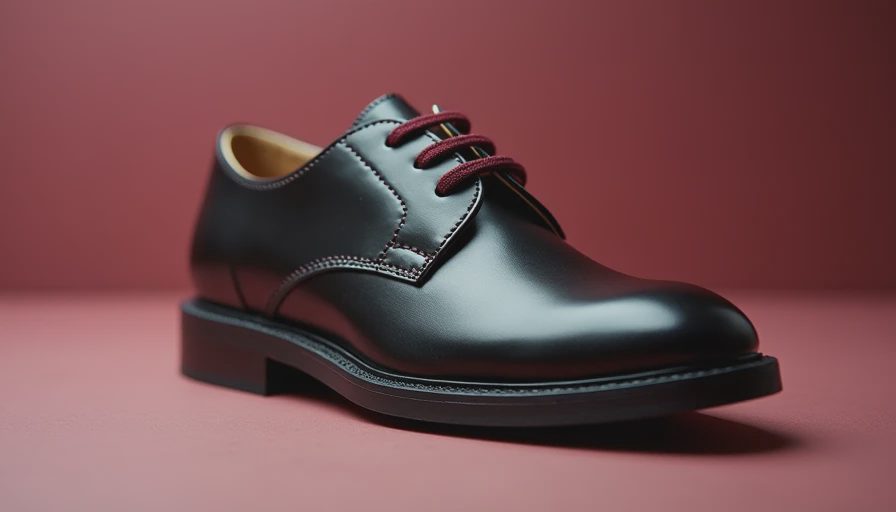
For weddings, holiday dinners, and ceremonies, simple lace-up oxfords or plain-toe shoes are the safest choice. Black works with gray, navy, and black trousers. Brown or tan pairs are friendlier with khakis, olive pants, and lighter blue outfits. A small amount of contrast can look polished without making the shoe feel like a costume.
For younger children, hook-and-loop straps are practical. They let a preschooler manage the shoes independently and make quick changes easier at school. Elastic laces with a fixed strap offer a similar look without requiring a child to tie knots. Traditional laces become more useful once a child can tie them reliably, although many parents still prefer slip-on convenience for occasional events.
A sneaker-inspired dress shoe can be a smart middle ground. Brands such as Stride Rite and See Kai Run often make children’s footwear with flexible construction, while department-store labels can offer inexpensive options for a one-time ceremony. I have not personally wear-tested every current model, so I would inspect the sole and lining in person whenever possible rather than relying only on product photos.
Materials, Soles, and Everyday Wear
Full-grain or smooth leather usually develops a softer feel with wear and can be polished when scuffed. It is not automatically better, though. Some leather shoes are so structured that they feel uncomfortable on a child who mostly wears flexible sneakers. Synthetic uppers are easy to clean and often perform well for occasional use, but low-quality coatings can crack at the toe after repeated bending.
Rubber soles usually provide better grip than thin leather soles, especially on school floors, sidewalks, and damp lawns. A modest tread is useful, while a very deep outdoor tread can look bulky with formal clothing. Check the sole edge for loose glue and press the toe area gently. It should flex without making a sharp crease that touches the toes.
My Julia Test Log note for special-occasion shoes is simple: comfort after four hours matters more than shine after four minutes. For Jack, a $35 flexible pair has been more useful than a $70 rigid pair because it can handle church, school pictures, and a restaurant without turning every outing into a negotiation.
Getting the Size Right During Growth Spurts
Children’s feet do not grow on a predictable schedule. Measure both feet near the end of the day, when feet are usually at their largest. Use the larger foot when choosing a size, and bring the socks your child will actually wear with the shoes. Thick winter socks can change the fit more than parents expect.
Do not buy several sizes too large to stretch the budget. Excess space can make a child trip, slide forward, or grip with the toes. A little growing room is sensible; a floppy heel is not. If your child is between widths, look for adjustable laces or straps instead of simply sizing up.
Because dress shoes are often worn infrequently, write the purchase date inside the box and check the fit before each major event. A pair that fit in October may be tight by spring. This small habit prevents the classic discovery that the shoes no longer fit thirty minutes before family photos.
Caring for Boys Dress Shoes
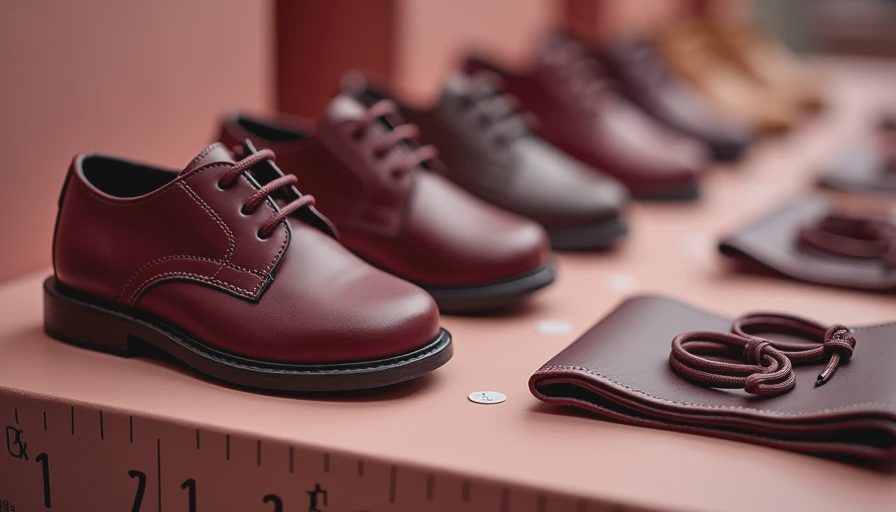
After each wear, brush away dried dirt with a soft cloth. Wipe smooth synthetic shoes with a damp cloth, but do not soak them. For leather, use a small amount of product made for that finish and test it in a hidden spot first. Black polish can stain light carpet, so shoe care belongs on a washable mat or an old towel.
Let damp shoes dry at room temperature. A radiator or hair dryer can harden leather and damage adhesives. Stuffing the toes with plain paper helps hold their shape, but avoid newspaper if ink could transfer to a light lining. If the shoes smell after a long day, remove the insoles when possible and let everything air out separately.
Store them with the soles clean and the buckles or laces loosened. A $3 brush and a few minutes of care can add several seasons of occasional use, which matters more than buying a premium label that never leaves the closet.
Three Sensible Price Points
Under $30, look for a basic synthetic oxford or strap shoe with a rubber sole. This is a reasonable choice for a wedding, recital, or fast-growing preschooler. Inspect the flex and stitching carefully, since the cheapest pairs can vary widely.
Around $30 to $60, you will find better linings, more dependable closures, and flexible leather or quality synthetic uppers. This is my favorite range for a child who has several events each year. A pair in this bracket can often serve as school-picture shoes, holiday shoes, and formal outfit shoes without feeling precious.
At $60 and above, pay for a better fit and construction rather than a logo. Premium boys dress shoes make sense when a child wears them weekly, needs a particular width, or will receive them as a hand-me-down. They do not make sense simply because the box looks impressive.
My Final Buying Checklist
Before buying boys dress shoes, check the toe room, heel hold, sole flexibility, and closure. Confirm that the child can walk comfortably in the socks planned for the event. Look at the outfit colors already in the closet, then choose black or brown based on what will create the most combinations. Finally, let the child wear the shoes indoors for fifteen minutes before removing tags or taking them outside.
Would I buy boys dress shoes again? Yes, but only one flexible, comfortable pair in a versatile color. I would skip the stiff, overly shiny style that photographs well but makes a five-year-old miserable. Fewer shoes, worn happily and cared for properly, have worked much better in our house than a crowded formalwear drawer.


Travellers Write
No letters yet — be the first traveller to write.