The first time I bought boys suits for Jack, I made the classic parent mistake: I chose the sharpest-looking outfit on the rack. The jacket was stiff, the pants had a shiny finish, and by the time we reached the family photos, he was sitting on the floor tugging at his collar. Since then, I have learned that a good special-occasion outfit has to survive more than one pretty picture. It needs to fit a moving child, handle a snack break, and ideally be useful again next season.
What makes a good suit for a child?
The best boys suits balance structure with softness. A little tailoring gives an outfit its polished shape, but too much padding, lining, or synthetic shine can make a child feel trapped. For most children, a two-piece suit with a simple jacket and flat-front pants is enough. A vest is optional, not a requirement, especially for a preschooler who runs warm.
Start with the fabric. Wool is breathable, naturally resilient, and a strong choice for winter weddings or formal events. A wool blend can offer similar drape at a lower price, while polyester is usually easier to wash and less expensive. Cotton-linen blends feel comfortable in warm weather but wrinkle more readily. That is not a flaw; it is simply part of the fabric's personality.
Look closely at the inside, too. A smooth lining helps the jacket slide over a shirt, but a scratchy collar or bulky shoulder pad can ruin the whole experience. Check the sleeve seams, waistband, and button attachment. Loose threads do not always mean poor quality, but they are a useful reason to inspect the garment before removing tags.
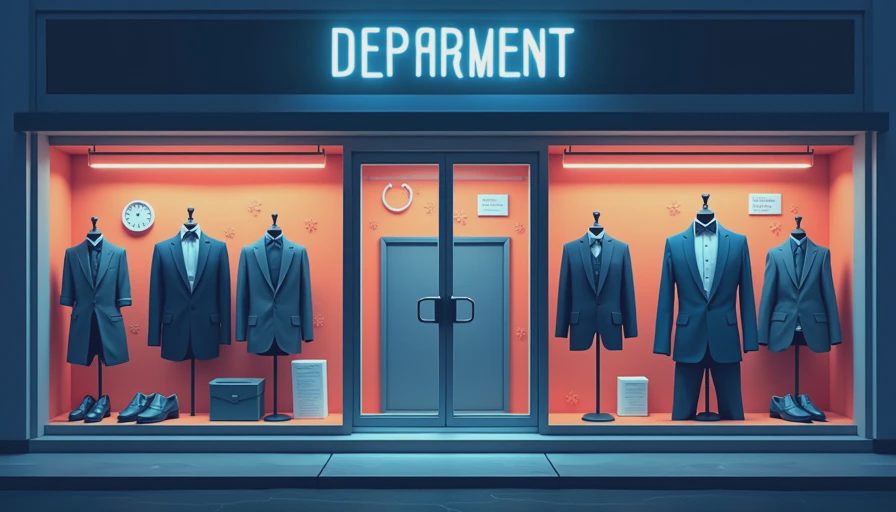
Choosing the right size
Sizing is where many boys suits go wrong. Parents often size up dramatically because children grow quickly, but a jacket that is two sizes too large looks uncomfortable and can restrict movement in unexpected places. The shoulders should sit close to the child's natural shoulder line. If the shoulder seam falls halfway down the upper arm, the jacket is too large, even if the sleeves can be rolled.
For pants, prioritize the waist and rise. Adjustable waist tabs are especially helpful for slim children or families planning to reuse the outfit. A little extra length can be altered, but pants that pinch at the seat will never become comfortable. Have your child bend, sit, and lift both arms before deciding. Those three movements reveal more than a mirror does.
Take measurements while your child is wearing a thin shirt, not bulky pajamas. Record chest, waist, sleeve length, inseam, and shoulder width. Compare those numbers with the brand's chart rather than relying on age alone. A size labeled 6 can fit very differently from one labeled 6-7, and toddler proportions change quickly.
Fabric and care details that matter
Parents often search boys suits by color first, but care instructions deserve equal attention. A dry-clean-only jacket may be perfectly reasonable for a once-a-year ceremony, yet it becomes frustrating when a child spills juice before the entrance photos. Machine-washable blends are practical for school concerts, holiday dinners, and outfits that will pass to a younger sibling.
For a warmer event, choose a lighter weave and a cotton poplin or breathable blend shirt. In cold weather, a wool-blend jacket over a cotton shirt usually provides enough warmth without a bulky sweater underneath. Avoid stacking too many stiff layers. Children move more comfortably when one piece supplies structure and the rest stay soft.
Dark navy, charcoal, and medium gray tend to earn their closet space because they work with several shirts and shoes. A navy jacket can be paired with gray pants for a less formal look later. A white shirt is classic, but pale blue, cream, or a subtle stripe can hide small marks more gracefully. I would skip loud novelty patterns on the main suit and add personality with socks, a pocket square, or a washable bow tie.
My Julia Test Log note: after one preschool wedding, a polyester-blend jacket wiped clean after applesauce, while the cotton pants needed a proper wash. The outfit was not spotless by dinner, but both pieces were wearable again without a special trip to the cleaner.
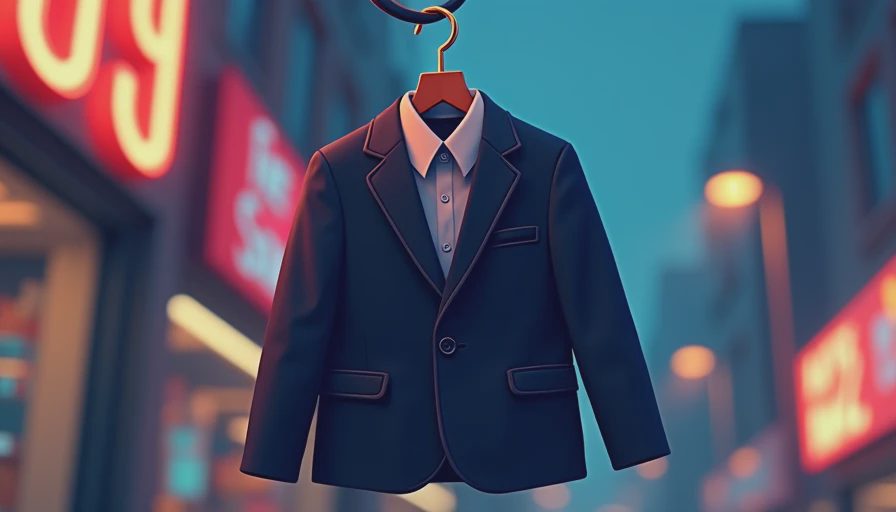
Building an outfit without overbuying
A suit does not need a large collection of accessories. One comfortable dress shirt, a pair of dark loafers or clean lace-up shoes, and a simple belt will cover most events. If the pants have an adjustable waist, the belt may be decorative rather than necessary. For younger children, elastic-sided shoes are easier than complicated buckles and usually faster during bathroom breaks.
When shopping for boys suits at different price points, think about the number of wears. An inexpensive polyester set can make sense for a one-time ceremony, particularly if the child is between sizes. A mid-priced wool blend is often the most useful middle ground for weddings, religious celebrations, school performances, and family portraits. A higher-priced wool suit makes more sense for an older child who attends several formal events and can wear it for a few years.
You can also separate the pieces. A suit jacket with chinos creates a smart-casual outfit, while the pants can be worn with a sweater or button-down shirt. This approach often gives a better cost-per-wear result than buying a novelty tuxedo that only works for one evening.
Common buying mistakes to avoid
The first mistake is waiting until the night before an event. Allow time for delivery, a try-on, minor alterations, and one full movement test. The second is choosing a shirt collar that is too tight. A tie should rest neatly, not make the child repeatedly pull at the neckline. The third is ignoring shoes. Even a beautifully fitted jacket cannot rescue shoes that rub heels or pinch toes.
Do not assume every button must be fastened. A jacket that looks polished with the top button closed may feel much better open during dinner. Pack a stain-removal pen, a spare shirt, and a small snack that will not crumble into the lap. These are boring preparations, but they have saved more family photos than any expensive accessory.
For younger children, consider whether a full suit is truly necessary. A structured cardigan, pressed chinos, and a collared shirt can look just as thoughtful while allowing more movement. Boys suits are useful when the occasion calls for them, but formal dressing should not become a test of endurance.
My final checklist and verdict
Before buying, ask five practical questions: Can the child sit comfortably? Can the jacket be worn with another pair of pants? Is the fabric suitable for the season? Can the waist or hem be adjusted? Will the care instructions fit your real laundry routine? If the answer to most of these is yes, you are looking at a useful garment rather than a costume.
For a growing child, I would choose a navy or charcoal wool blend, an adjustable waist, a soft cotton shirt, and shoes with enough room for natural movement. I would spend more on fit and fabric than on a decorative vest or novelty trim. Boys suits should help a child participate in an important day, not make every meal and hallway sprint feel like a negotiation.
Would I buy boys suits again? Yes, but I would buy one versatile set instead of several event-specific outfits. The right one can handle a wedding, a school performance, a holiday dinner, and a future sibling hand-me-down. That is the kind of special-occasion clothing I want in our house: polished in photographs, comfortable on the floor, and sensible enough to earn its place in the wash-score spreadsheet.


Travellers Write
No letters yet — be the first traveller to write.