The first winter coat I bought for Ella looked adorable on the hanger and completely failed by February. The zipper snagged on her sweater, the sleeves stopped above her wrists, and the soft-looking lining collected every crumb from the car seat. Shopping for kids coats got easier once I stopped judging them by color and started looking at fabric, construction, and the way my children actually move.
A good coat does not need to be the most expensive option in the store. It needs enough warmth for your climate, a shape that allows a sweatshirt underneath, and closures a child can manage without help. For rainy Portland mornings, muddy playgrounds, and cold walks to school, those details matter more than a decorative faux-fur hood.
Start With the Weather Your Child Actually Faces
Before comparing kids coats, write down the conditions your child encounters in a normal week. A preschooler who moves from a heated car to an indoor classroom needs something different from a child waiting for a school bus in single-digit temperatures. A light quilted jacket can be useful for fall, but it is not a substitute for an insulated winter coat.
For wet climates, look for a tightly woven outer shell with a durable water-repellent finish or a waterproof membrane. Water-resistant fabric handles drizzle and short walks; waterproof construction is better for steady rain, but it can feel less breathable. Nylon and polyester are common because they dry quickly and tolerate playground abrasion. Cotton canvas feels pleasant but can become heavy when soaked.
Cold-weather insulation usually comes from synthetic fill, down, fleece, or a combination. Synthetic insulation keeps working better than down when damp and is generally simpler to wash. Down offers excellent warmth for its weight, but it needs more careful cleaning and is not my first choice for a child who regularly sits in wet grass. Fleece is warm and comfortable, although a fleece jacket alone may not block wind.

Fit Matters More Than a Perfect Size Today
The best kids coats leave room for movement without hanging so loosely that cold air pours through the cuffs. Have your child try the coat over the thickest layer they will normally wear. Ask them to reach overhead, bend down, zip it, and put both hands in the pockets. If the hem rides up when they sit, the coat is probably too short for school or car-seat transitions.
Sleeves should reach the wrist bone when the arms are relaxed. Adjustable cuffs can buy one season of growth, and an elasticized interior cuff helps keep snow and wind away from the skin. A two-way zipper is useful for older children who sit in booster seats or need to access a pocket without opening the entire front.
Be cautious about buying several sizes too large. A little extra room is practical; sleeves covering the hands can interfere with climbing and make zippers frustrating. For babies and toddlers, avoid bulky layers under a harness. A thin fleece layer or properly fitted jacket is safer in a car seat than a puffy coat worn underneath the straps.
The Details That Earn Their Keep
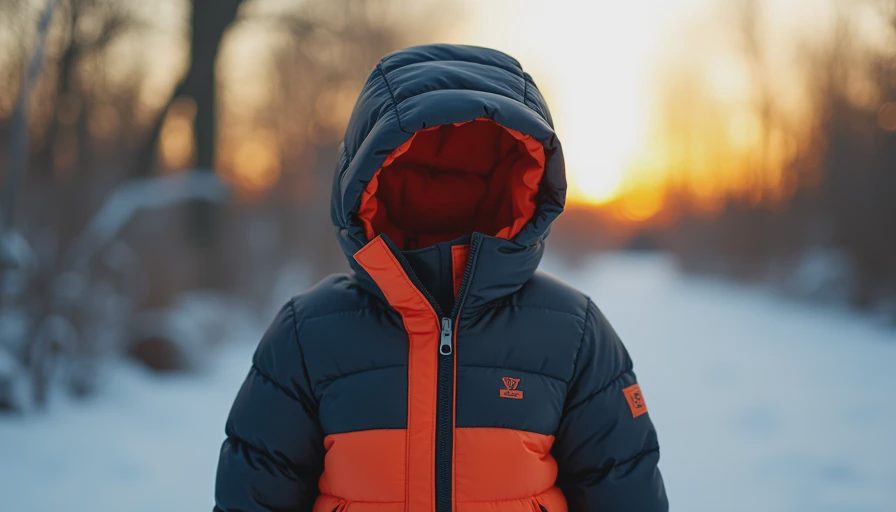
A hood should stay put when your child turns their head. Fixed hoods are convenient for younger children, while removable hoods can be useful for school rules or car-seat comfort. Look for a brim that keeps rain off the face without blocking peripheral vision. A chin guard over the zipper prevents pinching, which is a small feature that saves a surprising amount of morning drama.
Pockets need to be deep enough for gloves but not so large that they become sand buckets. Zippered pockets protect small treasures, while fleece-lined pockets give cold hands somewhere comfortable to wait. Reflective piping or a bright color can improve visibility during dark winter afternoons, although it should support—not replace—supervision and safe street habits.
When comparing kids coats, inspect the seams and stress points. Pull lightly at the pocket corners, examine the zipper tape, and check whether the lining is securely attached at the cuffs. A coat that costs $35 and survives two seasons can be a better value than a $90 coat that develops a broken zipper in six weeks.
Julia Test Log
My spreadsheet records the price, wash count, and exit reason for every garment. The most common coat failures in our house have been broken zipper pulls, peeling waterproof finishes, and cuffs that lose their elastic. Fabric holes have been much less common than hardware problems, so I now test the zipper before admiring the print.
Materials and Care Without the Label Overload
Polyester fleece is soft, warm, and usually easy to wash, but it can hold onto odors and pill when rubbed against rough surfaces. A smooth polyester shell sheds light rain and dries quickly. Nylon tends to feel crisp and durable, though some children dislike the sound it makes when they move. Wool blends provide natural warmth and odor resistance, but they often need gentler care and may irritate sensitive skin unless there is a lining.
Read the care tag before buying. If the coat requires specialty cleaning, ask whether your household will realistically follow that routine after a muddy Tuesday. Most everyday kids coats are easier to live with when they can go in a washing machine on a gentle cycle. Close zippers, empty pockets, use a small amount of detergent, and avoid fabric softener, which can reduce the performance of some water-repellent finishes.
Do not assume a “waterproof” label means the coat will stay waterproof forever. Repeated washing, backpack straps, and playground friction gradually wear down finishes. If water stops beading on the surface, cleaning it according to the care instructions and refreshing the finish with a suitable product can sometimes help.
Sensible Choices at Three Price Points
At the lower end, roughly $25 to $45, look for a simple polyester puffer, fleece-lined rain jacket, or insulated parka from a retailer with an easy return policy. These can be excellent for fast-growing toddlers because replacing a size is less painful. Inspect the zipper and lining carefully, since low prices often show up in hardware before fabric.
In the middle range, around $50 to $100, you will usually find better seam finishing, adjustable cuffs, stronger water resistance, and more useful pockets. This is where I tend to shop for school coats. A neutral navy, olive, or red can pass between siblings, and a removable liner can extend the garment into more seasons.
Above $100, technical kids coats may offer superior waterproofing, lightweight insulation, and repair services. Those features make sense for families who hike, ski, or spend long hours outside. They are harder to justify for a child who walks ten feet from the car to the classroom. Spend extra for a real need, not just a premium logo.
A Simple Buying Plan for Fewer, Better Pieces
Start with one everyday coat suited to the dominant weather, then add a lighter layer only if your child needs one for transitional seasons. A waterproof shell over a fleece can be more flexible than two bulky insulated coats. Keep a backup only when drying time, daycare messes, or a second child makes it genuinely useful.
Before checkout, check the size chart, read the washing instructions, and compare the garment measurements with a coat your child already wears well. Look for a zipper your child can operate, cuffs that seal without pinching, and enough back length for sitting. If buying secondhand, inspect the hood, snaps, seam tape, and inner lining for hidden wear.
My current favorite arrangement is one sturdy everyday coat, one washable rain shell, and a fleece layer that can move between them. It keeps the closet calm and means a spilled snack does not create a clothing emergency. The best kids coats are the ones your child can put on, play in, and remove without a parent hovering nearby.
Would I buy this approach again? Yes. It costs less over time than chasing a new novelty coat each season, and it gives children enough choice without filling a closet with pieces that do one job poorly.


Travellers Write
No letters yet — be the first traveller to write.