I learned about expensive prams and pushchairs the same way I learn most baby-gear lessons: after buying the wrong thing. Our first stroller looked lovely in the shop, but its basket filled with groceries, rain covers, and a toddler's dropped snack within minutes. The fold became a two-handed wrestling match, and the handle started squeaking before our first child turned one. A high price does not automatically fix those problems. It can, however, buy useful details when they match the way your family actually walks, travels, and stores gear.
What the price tag usually includes
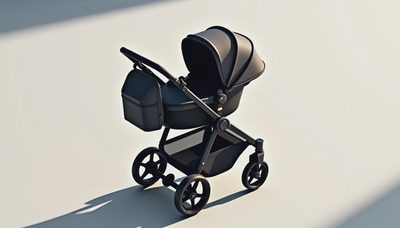
With expensive prams and pushchairs, you are often paying for a combination of engineering, materials, design, and service rather than one magical feature. A model such as the UPPAbaby Vista, Bugaboo Fox, Silver Cross Wave, or Cybex Priam can cost several hundred to well over $1,000 depending on the configuration. That price may include a sturdier aluminum frame, larger wheels, a deeper seat, a bassinet, adjustable suspension, washable fabrics, and adapters for a car seat.
The frame matters if you walk on cracked sidewalks, gravel paths, or uneven Portland park trails. Bigger wheels and real suspension can make pushing feel calmer, especially with a sleeping baby in the seat. A tall handle can save your back if both parents are taller than average. A generous basket is less glamorous than a leather handle, but it is the feature I notice most on a library-and-groceries morning.
You are also paying for a more polished user experience. Magnetic buckles, a one-handed recline, a standing fold, and a canopy that actually covers a napping child sound small until you use them while holding a baby. None is essential, but several together can reduce daily friction.

When an expensive pram makes sense
Expensive prams and pushchairs make the strongest case when the stroller is part of your daily transport system. If you walk several miles each week, use public transit, have two children close in age, or live in a small home where the fold must be predictable, a better-designed model can earn its space. The cost becomes easier to assess when you divide it by years of use rather than looking only at the checkout total.
For example, a $900 stroller used for four years costs about $225 per year before resale. A well-kept premium model may also retain meaningful value in local resale groups, although condition, accessories, color, and demand affect the final price. A $500 stroller that feels awkward every day is not automatically the better bargain. A $900 model that handles your routes, accepts a second seat, and survives several children may be cheaper in practical terms.
Still, consider your real surroundings. A large all-terrain pram can be frustrating in a narrow apartment elevator or the trunk of a compact car. If you mostly drive to indoor errands, a lightweight stroller under $300 may be more useful. Premium is worthwhile when it solves a repeated problem, not when it simply photographs well.
Julia Test Log
My useful stroller notes are simple: Can I fold it while tired? Can I lift it into the car without bracing my knee? Does the basket hold a diaper bag and a grocery tote? Can I clean yogurt from the seat fabric? Those answers tell me more than a long feature list.
The features worth checking in person
Expensive prams and pushchairs should be tested with your actual routine in mind. Start with the fold. Ask whether it folds with the seat attached, whether the folded package fits your vehicle, and whether the latch feels secure. Try lifting it from the floor to a trunk rather than only rolling it around a showroom.
Next, test the handle and steering. Push one-handed while turning, then try a tight corner. A stroller that tracks straight on a store floor can feel different on a sloped sidewalk. Check the brake with sandals and inspect whether the release is easy to find without looking.
Look closely at the seat. A nearly flat recline is helpful for naps, while an adjustable footrest supports longer use. The harness should be straightforward to tighten and release, but not so easy that a determined toddler can escape. Examine the canopy from the seated position: a small peekaboo window is nice, but full shade and ventilation matter more on hot days.
Finally, inspect fabric care. Removable, machine-washable covers are genuinely useful. Dark fabric can hide crumbs, while lighter fabric shows spills quickly but makes it easier to see what needs cleaning. Leather-look handles may wipe clean, but they can feel warm or sticky in summer.

What to buy instead at lower price points
Not every family needs expensive prams and pushchairs. The Baby Jogger City Mini GT2, Graco Modes series, Chicco Bravo, and Evenflo Reversi are examples of products that can cover different needs at lower prices, depending on the current model and package. A compact travel stroller can also be sensible if your main priorities are flights, restaurants, and quick car-to-door trips.
At around $150 to $350, focus on reliable basics: a secure harness, a usable recline, decent wheels, a basket you can reach, and a fold that one adult can manage. At around $350 to $700, you may find stronger suspension, better fabrics, more adjustment, and improved accessories. You do not need to move into four-figure territory to get a comfortable everyday stroller.
A smart compromise is buying a mid-priced frame and adding only the accessory you will use. That could be a rain cover, bassinet, snack tray, or car-seat adapter. Avoid collecting every branded attachment before you know what your days require. We bought a cup holder that bounced off on the first rough sidewalk and later found a simple universal version worked better.
A practical buying checklist
Before choosing expensive prams and pushchairs, write down your five most common journeys. Include the car trunk, front door, elevator, sidewalk, and storage closet. Measure the narrowest doorway and the available trunk depth. If you need a bassinet for newborn walks, confirm whether it is included or costs extra.
Ask the retailer about returns, warranty length, replacement wheels, fabric availability, and repair support. A premium frame is less appealing if a small broken latch means shipping the entire stroller away. Confirm the stroller's age range and weight limits from the manufacturer rather than relying on a sales description.
Try the stroller with a loaded basket and a child-sized weight if the store allows it. Practice the fold three times. If you still need instructions on the third attempt, imagine doing it in a rainy parking lot. For secondhand purchases, inspect the brakes, wheel alignment, harness, frame joints, and recall information. Missing accessories should be priced into your offer.
Would I buy it again?
My answer about expensive prams and pushchairs is maybe, with a fairly specific condition: I would buy one again when it fits a walking-heavy routine, folds reliably, and has parts and fabrics that can be cleaned or replaced. I would not buy one simply because it has a luxury label, a beautiful bassinet, or a social-media following.
For a family walking daily, carrying a baby upstairs, or planning to use one frame for siblings, the extra $300 to $700 can buy comfort that you notice every morning. For a family that drives everywhere and needs something light, that money is better spent on a compact stroller, a good carrier, and perhaps a washable outdoor blanket.
The calmest purchase is the one that removes a real nuisance. Borrow a friend’s stroller, visit a shop with your car, measure your storage, and make a short list before comparing colors. Buy the features your hands and back will appreciate, not the ones that merely look impressive in a product photo.


Travellers Write
No letters yet — be the first traveller to write.