I learned the hard way that the top travel systems for infants are not always the biggest, most expensive setups. With my first baby, I chose a stroller that looked impressively sturdy in the store. At home, it barely fit through our entryway, and lifting the car seat onto its frame felt like a small strength-training session. A travel system should make the first year simpler, not add another awkward object to trip over.
A travel system usually combines an infant car seat with a stroller designed to accept that seat. You can move a sleeping baby from the car without a full transfer, then use the stroller as your child grows. The best choice depends on your car, storage space, walking habits, and tolerance for lifting. A good-looking basket matters less if the folded frame will not fit in your trunk.
What to look for before buying
Start with the infant car seat because it is the part responsible for transporting your baby in the vehicle. Look for a seat that fits your car securely, has clear installation instructions, and can be used within the height and weight limits stated by its manufacturer. The base should sit firmly and allow you to achieve the correct recline angle. If you are unsure about installation, a certified child passenger safety technician can help check it.
Next, test the stroller with one hand. Newborn life often involves a diaper bag, a coffee, and a baby who has just started crying. The handle should feel comfortable, the brake should engage without fuss, and the front wheels should track smoothly. A large under-seat basket is useful for diapers and a light jacket, but it does not compensate for a frame that is difficult to fold.
Pay attention to weight. Some full-size systems weigh more than 30 pounds before adding a baby or supplies. That can be manageable for neighborhood walks and frustrating when lifting the stroller into a sedan. Compact systems often weigh less, but their baskets and wheels can be smaller. The top travel systems for infants balance those compromises instead of pretending they do not exist.
Full-size systems for everyday use
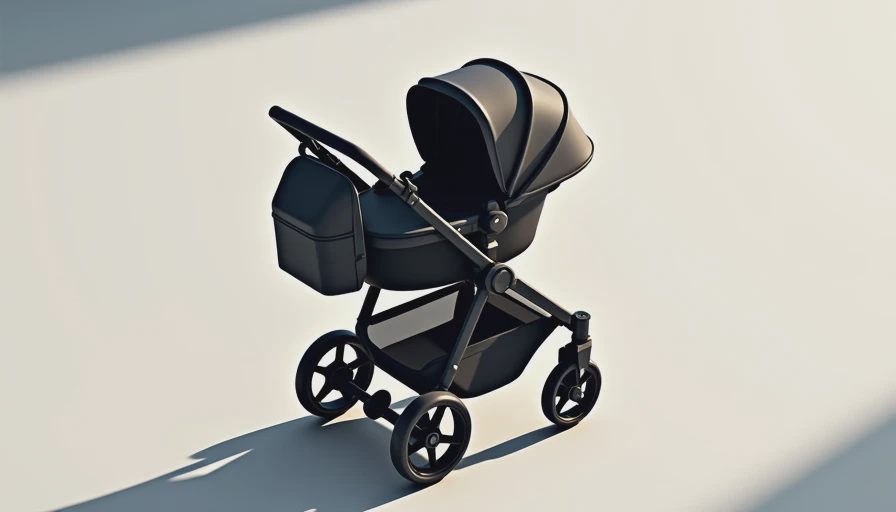
A full-size travel system is often the calmest option for parents who walk frequently. Larger wheels handle cracked sidewalks, park paths, and uneven pavement better than tiny stroller wheels. Many also offer a reversible seat, adjustable handlebar, generous sun canopy, and room for a diaper bag. Brands such as Chicco, Graco, Evenflo, and Britax offer systems at different price points, so you do not have to start with a luxury model.
The trade-off is size. A full-size frame can take up much of a small trunk, and some folding mechanisms require both hands. Before ordering, measure your cargo area with the back seats in their usual position. An advertised one-hand fold is helpful, but read the instructions and watch a demonstration if possible. Mechanisms differ, and a fold that feels easy in a showroom may be less obvious when you are standing beside a muddy parking lot.
For a budget-conscious setup, a basic Graco or Evenflo system can cover the essential car-seat-to-stroller transition without premium fabrics or elaborate accessories. Midrange Chicco models often appeal to parents who want a more polished fold and straightforward controls. Higher-priced options can offer lighter materials or more flexible seating, but higher cost does not automatically mean better daily fit.
Compact and travel-friendly choices
Compact systems suit families who use public transportation, fly often, or have limited storage. Some infant car seats connect to a lightweight stroller frame, while others use adapters with a compact stroller. The first approach is usually simpler during the newborn months; the second may give you longer use after the infant seat is outgrown.
The top travel systems for infants in this category should fold small without sacrificing basic stability. Check whether the folded stroller can stand on its own, whether the car seat connection clicks securely, and whether the handle height works for both caregivers. A small basket is normal, but a nearly inaccessible basket is not. Try placing a diaper bag inside before deciding.
Remember that a lightweight frame is not always a complete stroller. Some car-seat carriers are excellent for quick errands but have limited recline and little padding once your baby outgrows the infant seat. If you want one stroller to last through toddlerhood, compare the seat’s maximum weight, recline positions, and wheel size rather than focusing only on the folded dimensions.
Features that are genuinely useful
A large canopy with a peekaboo window helps during naps and bright walks. An adjustable leg rest becomes more useful when your child starts sitting forward and stretching out. A washable seat pad can save time after spilled milk or a snack-related disaster. I also like a parent cup holder, although I would not pay a large premium for one.
Suspension matters if your regular routes include sidewalks with cracks or gravel paths. A roomy basket matters if you run errands on foot. A standing board can be valuable for a second child, but only if the stroller manufacturer approves that accessory for the specific model. Avoid hanging heavy bags from the handle because that can affect stability.
Check the harness, too. A five-point harness should adjust smoothly and sit correctly at the shoulders and hips. The buckle should be secure but not so complicated that you cannot use it while holding a wiggly baby. These details are less exciting than a stylish color, yet they influence every outing.

Comparing price and long-term value
Entry-level travel systems commonly cost around $150 to $300. They can be sensible for occasional walks, grandparents’ houses, or families who want a straightforward first setup. Midrange systems often fall between $300 and $600 and may add better wheels, more comfortable padding, improved fabrics, or a simpler fold. Premium systems can cost $700 or more, especially when the stroller and car seat are sold with extra adapters and accessories.
The top travel systems for infants are not necessarily the ones with the longest feature list. Think about the cost per useful season. A $250 system used daily for two years can be a better value than a $900 system that is too heavy for your routine. On the other hand, paying more for a lighter frame may make sense if you carry it upstairs several times a day.
Inspect replacement parts and expiration information before buying. Car seats have manufacturer-specific usable life limits, and a stroller can need a replacement wheel, buckle, or adapter after heavy use. Buying an inexpensive secondhand stroller may be reasonable when its history is known, but avoid a used car seat unless you can verify that it has not been in a crash, has all parts, and has not expired.
My practical buying process
I would narrow the top travel systems for infants in this order: first, confirm the car seat fits your vehicle; second, measure the folded stroller against your trunk and storage space; third, lift the complete frame as if it were going into the car; fourth, test the brake, fold, basket, and harness; and finally, compare warranty support and return policies.
If two systems seem equal, choose the one you can operate while tired. That usually means fewer adapters, a clear car-seat release, wheels that roll straight, and fabrics that can be wiped or removed for washing. Babies do not care whether the frame has a designer finish. They care that the ride is reasonably smooth and the adult pushing it is not muttering at the folding latch.
Would I buy a travel system again? Yes, but I would choose a medium-weight model with a reliable car-seat connection and a stroller seat that lasts beyond the infant stage. For most families, the top travel systems for infants are the ones that fit the car, the doorway, and the actual week—not merely the showroom.



Travellers Write
No letters yet — be the first traveller to write.