The first car seat I bought as a new parent looked wonderfully simple online. Then I tried to install it in our small sedan while a baby cried, a diaper bag tipped over, and the manual slid under the passenger seat. That experience taught me that a budget friendly convertible car seat is not simply the cheapest model on the shelf. It is the seat that fits your child, your vehicle, and your daily patience without skipping essential safety features.
A convertible seat usually starts rear-facing for an infant and later turns forward-facing. That longer useful life can cost less than buying a separate infant seat and toddler seat, especially when a child outgrows the first product quickly. The goal is practical value: a correct fit, clear instructions, reasonable cleaning, and enough height and weight range to serve your family for several years.
What a reasonable budget should include
New convertible car seats commonly range from about $100 to $400. A budget friendly convertible car seat often falls near $120 to $220, where you can find products with a five-point harness, multiple recline positions, removable padding, and straightforward installation. More expensive models can add premium fabrics, a steel-reinforced frame, an anti-rebound feature, or an easier adjustment system. Those extras can be useful, but a higher price does not automatically mean a better fit in your vehicle.
I would set aside money for the seat itself and avoid spending the entire budget on accessories. A washable seat cover approved by the manufacturer, a simple sunshade, or a second set of harness pads can be more useful than a decorative bundle. Do not add aftermarket cushions, head supports, or toys unless the seat maker specifically permits them. Products that were not tested with the seat can change how the harness sits during a crash.
Look for a label showing that the seat meets Federal Motor Vehicle Safety Standard 213. That is a baseline requirement, not a ranking system, but it helps separate a regulated child restraint from an improvised product. The manual and labels should also state the rear-facing and forward-facing height and weight limits.

Rear-facing fit matters more than extra features
For most young children, rear-facing provides important support for the head, neck, and spine in a crash. Keep the child rear-facing until reaching the seat's stated rear-facing height or weight limit, rather than turning the seat because legs look bent or feet touch the vehicle seat. Children are often comfortable in positions that look cramped to adults.
When comparing a budget friendly convertible car seat, check the lowest harness height as well as the maximum weight. The harness should come from at or below a rear-facing child's shoulders. A seat with a newborn insert may work for a small infant, but only use the insert if it comes with that model or is approved in the manual. A two-year-old and a six-month-old need different adjustments even when they share the same seat.
The buckle should sit low on the child's body, and the harness should pass the pinch test: after tightening, you should not be able to pinch a fold of webbing at the shoulder. A thick winter coat should not go under the harness. Use thin layers and place a blanket over the secured straps instead.
Installation is where value becomes real
A $150 seat that installs firmly is a better buy than a $300 seat that shifts, blocks the front passenger, or requires a daily wrestling match. Before ordering, measure the vehicle's back seat and check whether the model allows LATCH installation in your seating position. LATCH has child weight limits, so older or heavier children may need a seat belt installation instead. Never use both methods unless the manufacturer clearly says that combination is allowed.
Place the seat at the recline angle shown by the indicator. Route the belt exactly as pictured, remove slack near the belt path, and press down on the seat while tightening. After installation, the seat should move less than one inch side to side or front to back when tested at the belt path. That measurement is not taken by grabbing the top of the shell and shaking the whole seat.
If you are unsure, a certified child passenger safety technician can help check the installation. Many hospitals, fire stations, and community programs offer inspection events, although availability differs by location. Bring the vehicle, the child, and the manual if possible.
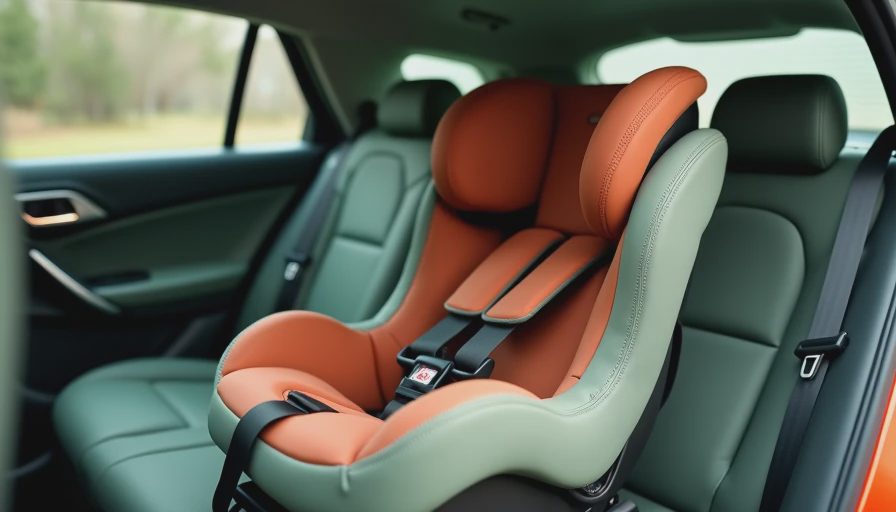
Cleaning, fabric, and everyday wear
Car seats collect cracker dust, spilled milk, sunscreen, and the mysterious sticky residue that appears after every road trip. A budget friendly convertible car seat should have a cover that can be removed without taking apart the harness. Read the care instructions before buying. Some covers can go in a washing machine on a gentle cycle, while others require hand washing and air drying.
Avoid soaking or machine-washing harness straps unless the manual specifically allows it. Harsh cleaners can weaken the webbing, and bleach is generally not appropriate. Wipe the plastic shell with mild soap and water, then let pieces dry fully before reassembly. Take a quick photo before removing the cover so each strap and pad returns to the correct place.
Fabric type is less important than construction and care instructions. Polyester is common because it dries fairly quickly and tolerates regular use. Breathable mesh can help in warm weather, while plush padding feels cozy but may take longer to dry. I would choose the cover that matches your laundry reality, not the one that looks most luxurious in a product photo.
Three sensible price levels
Around $120 to $160, expect a basic seat with fewer fabric choices and manual adjustments. This can be an excellent choice for a second vehicle, grandparents, or a family that wants a simple setup. Confirm that the rear-facing limit gives your child enough room to use that position comfortably.
Around $170 to $250, you may find easier harness adjustment, more recline positions, improved padding, and a cover designed for simpler removal. This is often the sweet spot for a budget friendly convertible car seat because the features solve daily problems without paying mainly for appearance.
Above $250, look for a specific reason to spend more: a particularly narrow design, premium installation assistance, extended rear-facing limits, or a fabric that fits your climate. A heavier seat can be harder to move between cars, so premium construction is not automatically convenient.
A calm buying checklist
Start with your child's current height and weight, then compare those numbers with the seat's rear-facing limits. Measure the vehicle space, especially if a tall driver sits in front of the restraint. Read two or three installation reviews, but treat owner comments as clues rather than proof. The manual is the final source for harness routing, recline positions, cleaning, and expiration information.
Check the manufacture date, registration card, and return policy. Registering the seat helps the manufacturer contact you about a recall. Do not buy a used seat unless you know its complete history, including whether it has been in a crash, because hidden damage and missing parts are difficult to identify.
My Julia Test Log note is simple: a good seat earns its place by being installed correctly every time. I would spend less on color and more on a clear manual, a workable fit, and a cover I can actually clean. Before checkout, try the seat in your vehicle if a local retailer allows it. That five-minute test can prevent an expensive return.
Would I buy a budget friendly convertible car seat again? Yes, when it meets the child's limits, fits the vehicle securely, and avoids unnecessary extras. The best bargain is not the lowest sticker price. It is a dependable restraint that grows with your child and remains manageable on an ordinary Tuesday morning.


Travellers Write
No letters yet — be the first traveller to write.