I bought my oldest daughter a youth small shirt from a big-box store when she was six. It shrank after two washes and the seams twisted within a month. By the time my second child got it, the sleeves were crooked. The problem wasn't the brand. I just had no idea what "youth small" actually meant.
Kids' clothing sizes are confusing. A shirt that fits one brand can be baggy in another, and the label barely helps. In this guide, I'll explain what the tag means, how to measure your child, and how to find a shirt that survives real life.
What Does "Youth Small" Really Mean?
In most kids' lines, sizes go from toddler (2T, 3T, 4T) to youth (XS, S, M, L, XL). A youth small shirt typically sits between youth extra small and youth medium. It's meant for kids around 6 to 8, but that range is loose. Some kids wear it at five; others at nine.
The measurements matter more than the label. Most of these shirts have a chest width of 26 to 28 inches and a length of 20 to 22 inches when laid flat. Those numbers change by brand and style. A fitted cut runs tighter than a relaxed one. A long-sleeve version may fit differently than a short-sleeve one.
Why Size Labels Differ Between Brands
There is no universal standard for kids' apparel. Each brand designs for a different body shape. Some cut lean, others leave room for growth. On my wash-score spreadsheet, a cheap youth small shirt from a discount store measured 27 inches across the chest. A pricier one from an outdoor brand measured 29 inches. Same label, different fit. The bigger one fit my son for an extra year.
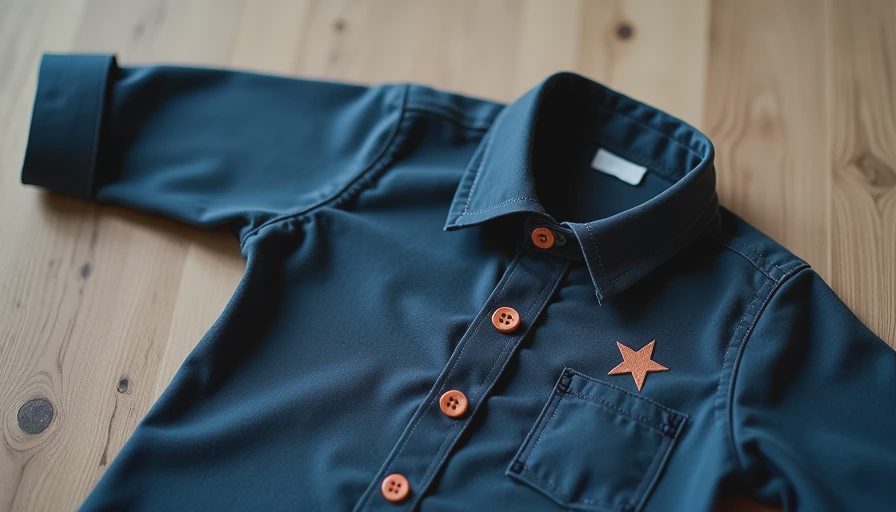
That's why you can't rely on the tag. Check the size chart, or measure a shirt your child already owns.
How to Measure for a Youth Small Shirt
Grab a soft measuring tape and a shirt that fits. Lay it flat. Measure across the chest, one inch below the armpits, from side seam to side seam. Double that number. Measure from the top of the shoulder seam down to the hem for length. For long sleeves, measure from the shoulder seam to the cuff.
Compare those numbers to the brand's size chart. If the chest measures 27 inches, look for a shirt with a 26- to 28-inch chest. When in doubt, size up. Kids grow fast, and a looser shirt will still fit in six months. If you're shopping online, measure a shirt you already own and compare it to the product dimensions before you click.
The Fabrics That Make a Youth Small Shirt Worth Buying
The fabric is what makes a shirt last. Plain cotton is soft but can shrink. A cotton-polyester blend resists wrinkles and shrinking, making it a great everyday option. Cotton with a little spandex stretches with an active kid.
I also check the fabric weight, called GSM. A shirt with a GSM below 140 is lightweight. A GSM above 180 is thicker and more durable. You don't need to obsess over numbers, but they help you compare two shirts that look the same.
Our Favorite Picks for a Youth Small Shirt, From Budget to Better
For budget buys, big-box store packs of kids' shirts are hard to beat. A three-pack runs between $12 and $18. They're fine for play, but they fade or pill after about thirty washes.
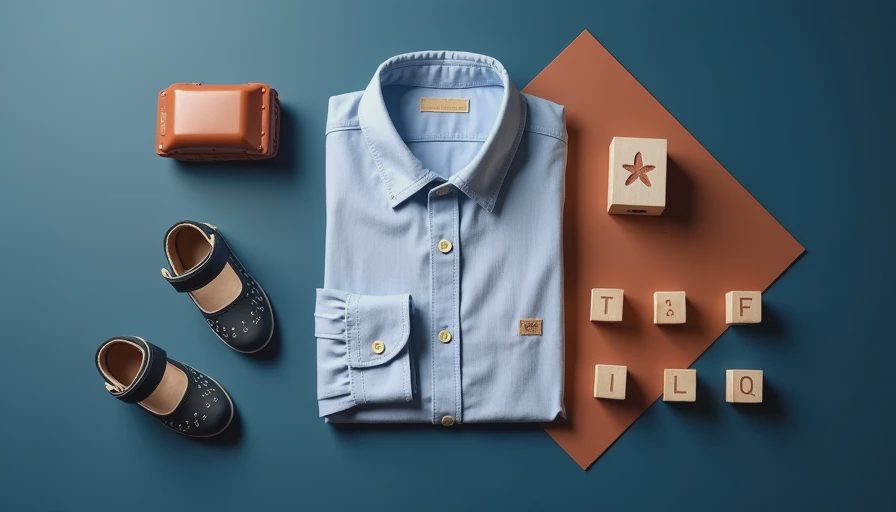
Mid-range brands, often outdoor or athletic lines, sell a single kids' shirt for $15 to $25. These have better seams, sturdier collars, and more consistent sizing. That's the sweet spot for durability and cost.
Premium shirts cost $30 or more and use organic cotton or special treatments. They feel nice, but they're not magic. I've seen a $40 shirt pill as fast as a $15 one in the wrong wash cycle.
How to Keep That Shirt Looking New
The dryer is the enemy of any kids' shirt. High heat shrinks cotton and breaks down fibers. Wash in cold water and hang to dry. If you must use a dryer, use low heat and pull the shirt out damp.
Treat stains right away with dish soap or an oxy-based remover. Turn printed shirts inside out before washing to protect the design.
The Bottom Line: Is This Size Right for Your Child?
A youth small shirt is the right choice when your child's chest measures between 26 and 28 inches and their height is in the 48- to 52-inch range. If you're shopping without your child, measure a shirt they currently wear and compare. When in doubt, size up.
Would I buy this size again? Yes, but only from a brand that publishes real measurements and a care tag I can follow. The right fit lets your kid run, jump, and spill without you wincing.
That's the honest truth. The best shirts aren't the most expensive. They're the ones that fit well and are made to handle real life. So take a breath, pull out your measuring tape, and buy the one that fits the kid in front of you.


Travellers Write
No letters yet — be the first traveller to write.