The first youth xl shirt I bought for my oldest looked great on the hanger and turned boxy after one hot wash. The collar wobbled, the hem twisted, and she stopped reaching for it. That was the reminder I needed: a good youth xl shirt is less about the size tag and more about fabric weight, shoulder width, and how much shrinking you can live with. If you shop with those three things in mind, you can buy fewer pieces and still end up with a drawer that actually gets worn.
What the size tag usually means
A youth xl shirt usually lands around a kids' 14-16, but brand charts are messy. One label's XL can fit a narrow chest and long torso, while another runs closer to a small adult tee. I measure chest width from armpit to armpit and compare it with a favorite shirt that already fits. If the new one is an inch or two wider, I know it will feel relaxed instead of clingy. Length matters too, because a shirt that looks fine in front can creep up the second a kid raises both arms at recess.
When I shop online, I check the brand's flat measurements before I check the color. That saves more returns than any coupon code. If a size chart only gives age ranges, I treat that as a rough guess, not gospel. A 9-year-old who is tall and lean may need the same cut as an 11-year-old who is broader through the chest. For a youth xl shirt, fit is about proportions first and age second.
Fabric choices that change the wear
Fabric matters more than most size charts admit. A 100 percent cotton tee feels soft and breathable, but cheaper jersey can stretch at the neck and come back from the dryer looking tired. Combed cotton and ring-spun cotton usually feel smoother because shorter fibers are removed before spinning. A cotton-poly blend can hold shape better, which is useful if you want the shirt to make it through school, soccer, and the snack table. For a youth xl shirt, I like a midweight knit that is sturdy without feeling stiff.
If you like the feel of a well-loved tee, look for a collar that is bound closely and a fabric that does not look thin when held to the light. The lightest shirts are often fine for summer sleepwear, but they do not always hold up as everyday tops. In my wash log, the ones that survive longest usually have a little more body in the fabric and a neck rib that springs back after drying. That is why the cheapest shirt is not always the smartest buy.
The at-home try-on routine that saves returns
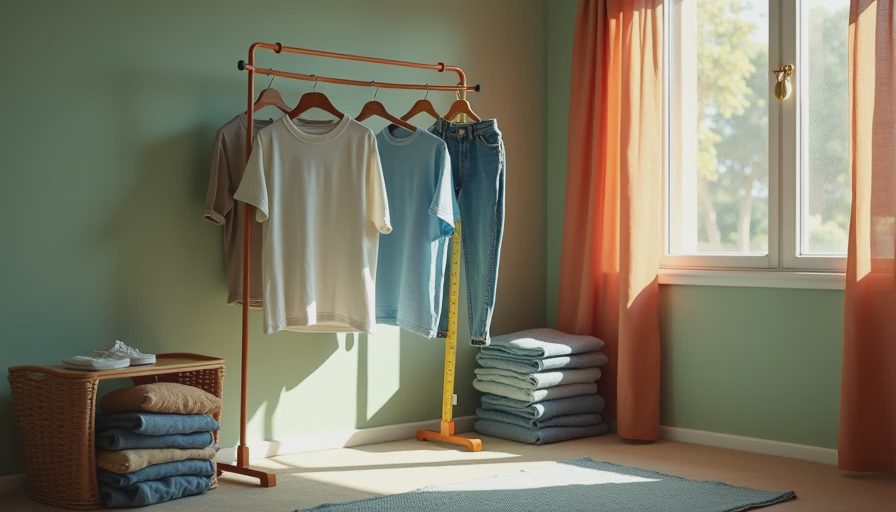
I do a quick try-on before I rip off the tags. First, I have the kid lift both arms and reach forward like they are buckling a backpack. Then I ask them to sit down, because a shirt that feels fine standing up can pull across the belly when they are at a desk or in a car seat. Last, I check the shoulder seam and side hem in a mirror. If the seam is sliding far down the arm or the hem is riding up, the cut is wrong even if the color is perfect.
This is also where I notice which shirts feel fussy. Some prints crack after one wash, some necks itch, and some fabrics twist enough that the side seam no longer sits straight. A youth xl shirt should not need constant tugging. Kids notice that quickly, even if they cannot explain why. They just stop picking the shirt out of the drawer.
When to size up and when not to
If the shirt is for school and layering, I often size up when the fabric is 100 percent cotton, because a little shrinkage can turn a good fit into a short one after two washes. If the shirt has some polyester, shape hold is better, so true size works more often. The same rule applies if your child likes to wear a tee over a long-sleeve base layer in cooler weather. That extra layer needs room, or the shirt will feel tight in the shoulders by lunchtime.
A youth xl shirt that feels roomy on day one can still look neat after laundry if the neck rib is strong and the side seams stay straight. That is the sweet spot. Too tight and it gets left in the drawer; too big and it looks like borrowed sleepwear. I want enough ease for movement, but not so much that the shirt hangs like a square.
What I would buy at different price points
For a basic youth xl shirt, the budget shelf usually sits around $8 to $12 for a single tee or multipack from brands like Hanes, Fruit of the Loom, or Gildan. Those can be perfectly fine for undershirts, paint day, or a shirt that lives in the playground bin. In the middle range, around $15 to $20, I look at places like Old Navy, Cat & Jack, or Gap Kids for slightly better fabric hand and better prints. At the higher end, about $25 to $35, Lands' End and Hanna Andersson are names I see parents reach for when they want sturdier knits and cleaner finishing.
I am not saying pricier is always better. I am saying the extra money should buy something you can feel in the collar, the hem, and the way the shirt comes out of the dryer. If the stitching is neat, the fabric is not wispy, and the neckline rebounds, that is where the value lives. For a youth xl shirt that needs to survive hand-me-down duty, I will usually pay a little more for the one that looks like it can take repeated washing without turning sad.
Care notes from my laundry pile
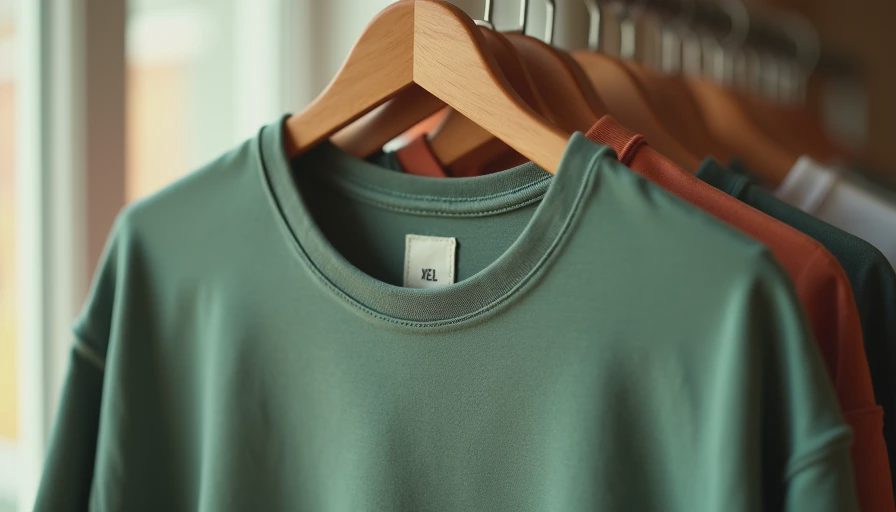
The laundry part is boring, but it matters. Cold wash, inside out, low heat, and pull it out before it bakes. A cotton tee can last longer if you skip the hottest dryer setting; the neck rib is usually the first part to tire out, not the print. Spot-treat tomato sauce or grass stains early so you do not scrub the fabric thin later. If you use stain spray, give it a few minutes before the wash instead of blasting the same spot over and over.
Julia Test Log: the shirts that keep their shape the longest in my house are usually the ones with a heavier collar and a fabric that does not feel slippery in hand. They do not have to be expensive, just well made enough to survive real life. That means school, snack time, backpack straps, and the occasional mystery stain on the front.
Would I buy a youth xl shirt again? Yes, if the goal is one dependable top that can handle school, play, and hand-me-downs without a lot of drama. I would choose the clearest size chart, the most substantial knit I can find, and a color my kid will actually wear. That combination is usually better than chasing a trend or buying three cheaper shirts that all fit wrong.


Travellers Write
No letters yet — be the first traveller to write.