The first youth size 8 shirt I bought for Ella looked great on the hanger and shrank enough after two hot washes to become a sleep top. That was the moment I stopped treating kids’ shirts like one-size-fits-all basics and started tracking what actually holds up. For parents who want fewer pieces and less laundry regret, the right shirt comes down to fit, fabric, and how often your kid will wear it before the next growth spurt.
How I judge a youth size 8 shirt
A good fit starts with the shoulders. If the shoulder seam hangs past the edge of the shoulder, the shirt usually looks baggy fast and twists in the wash. If the seam sits right on top of the shoulder and the neck opening lies flat, you are in better shape. I also check sleeve length with arms raised. Kids do not stand still, and a shirt that rides up after one cartwheel ends up in the donation bin.
At this size, I like a little room through the body, but not a box. A slim cut can work for a lean child, while a fuller cut is better for layering over a thermal or under a sweatshirt. If your kid hates scratchy tags or tight necklines, those details matter more than the logo. A soft collar and a smooth seam at the neck can decide whether the shirt gets worn three times a week or ignored.
The best test is simple: have your child reach, twist, and sit cross-legged in it. If the hem stays reasonable and the back does not gap, it is probably a keeper.
Fabrics that survive real life
Cotton is still the default for a reason. It breathes, it feels familiar, and it is easy to wash. But not all cotton behaves the same. A lightweight single-knit tee can feel nice in July and turn thin after a season. A denser jersey or interlock knit usually keeps its shape better and hangs less awkwardly after drying. When I want a shirt that survives school days, I look for that slightly sturdier hand in the fabric.
Cotton-poly blends have their place too. They dry faster, wrinkle less, and often survive the dryer better than a very soft pure-cotton tee. The tradeoff is feel: some blends can be slick or clingy, especially if the shirt is very thin. For a kid who sweats a lot or changes clothes after sports, that can be a win. For a kid with sensory complaints, the softer end of the market usually makes more sense.
If you are shopping in person, scrunch the fabric in your hand. If it rebounds instead of looking crushed, that is a decent sign. Then look at the neckband. A floppy neckline is usually the first thing to go.
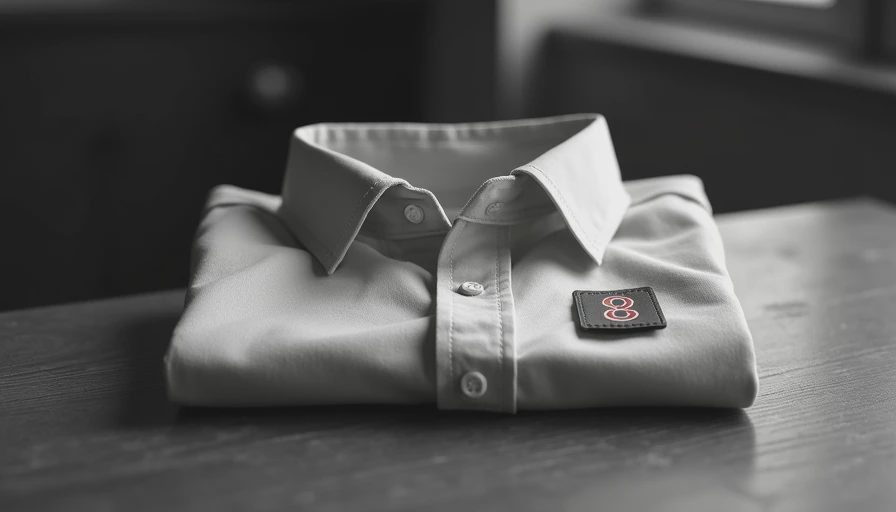
What I buy at different budgets
For budget buys, I usually start around the $6 to $12 range. That is where store brands can be perfectly fine if you stick to simple colors and basic construction. A plain shirt from a big box store can be a smart play for gym days, messy art days, and the weeks when your child suddenly wants only one favorite color. I have had decent luck with Target’s Cat & Jack basics and Old Navy tees when I keep expectations realistic and avoid the thinnest seasonal prints.
In the middle range, around $14 to $25, the quality jump can show up in the collar, the hem, and how the shirt looks after a dozen washes. Primary is good for clean basics, Lands’ End leans sturdy, and Hanna Andersson is known for a softer, more substantial feel. I would not buy every shirt at that price, but I do like paying more when I want one that will look decent for school photos, family dinners, or hand-me-down duty.
Julia Test Log
In my spreadsheet, the shirts that earned the best cost-per-wear were not the fanciest. They were the ones with a stable neckline, a midweight knit, and no fussy decoration on the front. Glitter prints and heavy appliqués tend to crack, peel, or feel stiff before the shirt itself fails. A plain shirt often outlives a cute one by a full season.
Wash habits that make a difference
Most shirt damage starts in the laundry, not on the playground. Hot water is fine for truly grimy loads, but repeated hot drying is what usually shrinks a shirt or warps the neck. I wash most of my kids’ shirts cold and dry them on medium or low. If a shirt is made from a softer knit, I pull it out before it is bone-dry and let it finish on the rack. That small step keeps the body from getting that crinkly, overbaked look.
I also turn printed shirts inside out before washing. It does not save every graphic, but it helps. If a shirt has a loose collar or a thin hem, I put it with the gentler load instead of towels and jeans. A little sorting sounds tedious, but it is still easier than replacing clothes every few months.
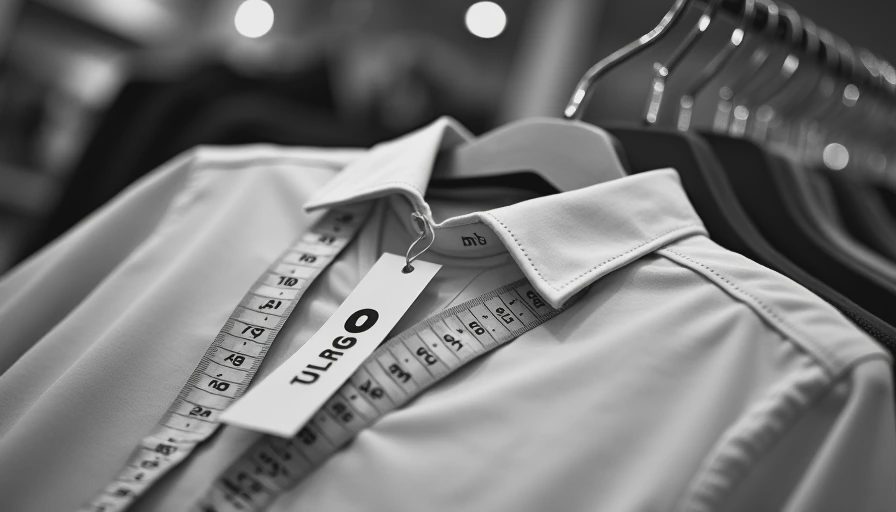
Hand-me-down math and when to replace
A shirt earns a spot in the hand-me-down bin when the fabric is still smooth, the neckline is not stretched out, and the color has not gone chalky. It does not need to look new. It just needs to look decent enough that another kid will actually pull it on. That is where a neutral shade, a solid neckline, and a midweight knit pay for themselves.
I usually replace a shirt when the hem twists badly, the collar sags, or the fit changes from roomy to awkward. If a child can still wear it but only as pajamas or a painting shirt, I keep it one more round and stop expecting more. That is the whole less-but-better idea in practice: not perfection, just longer useful life. If I am buying a youth size 8 shirt for everyday wear, I want enough structure to survive school, enough softness to avoid complaints, and enough room to move through one more growth spurt.
Would I buy it again?
Yes, if the shirt clears the shoulder test, feels sturdy in the hand, and survives one honest wash cycle without shrinking into weirdness. No, if the neckline is floppy on day one or the fabric feels so thin I can see the label through it. Maybe, if it is cute enough for a special outfit but not sturdy enough for regular rotation. For most families, the sweet spot is one or two better basics, then cheaper shirts for the days when spill resistance matters more than polish. That is usually where the budget starts feeling calmer.


Travellers Write
No letters yet — be the first traveller to write.