Last spring, I ordered a "youth medium" t-shirt for my 7-year-old, Ella. It looked fine on the model, and the description said it fit ages 8-10. When it arrived, she swam in it. The shoulders drooped, the sleeves hit her elbows, and the hem fell past her hips. I've been tracking kids' clothing for six years now, and that shirt taught me something important: a youth medium size chart is only useful if you know how to read it. The problem is that "youth medium" isn't one single size. It means different things at different stores, and if you rely on age alone, you'll waste money on clothes that don't fit.
That's why I put together this guide. I'll explain what a youth medium size chart really measures, how to measure your own child correctly, and the common mistakes parents make when they shop in the youth section. My goal is simple: help you buy fewer pieces that actually fit, so you're not returning half the order every season.
What Does "Youth Medium" Actually Mean?
In most children's clothing lines, sizes go from baby (newborn to 24 months) to toddler (2T-4T) to youth (4/5 up to 18/20). "Youth medium" usually sits in the middle of that range, but where depends on the brand. On a typical youth size chart, medium fits an 8-to-10-year-old with a chest of 28-30 inches, a waist of 24-26 inches, and a height of 50-58 inches. Some brands use "YM" for boys' medium and run bigger; others use it for a slim girls' medium that runs small. The label alone won't tell you much. You need the chart.
How to Measure Your Child for a Youth Medium Size Chart
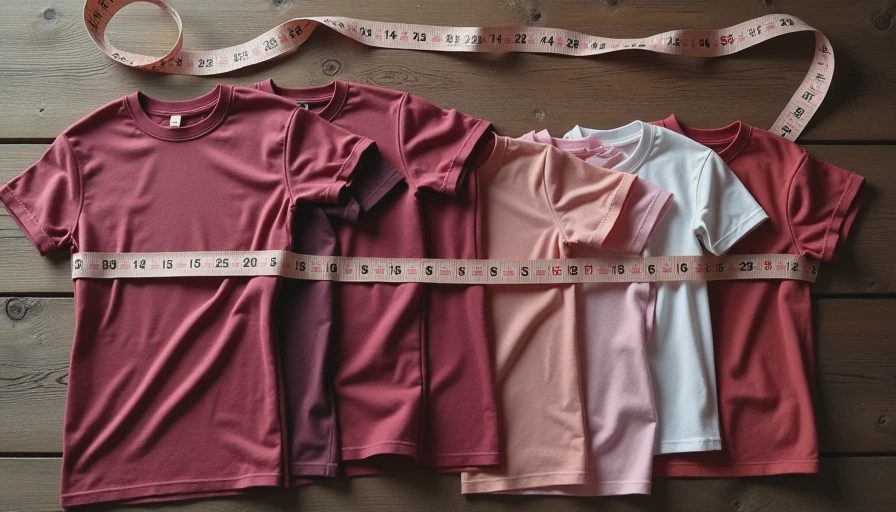
Before you trust any size chart, get accurate measurements. Grab a soft measuring tape and have your child stand straight with arms at their sides. Measure the chest at the fullest part, the waist at the natural waistline, and the inseam from the top of the inner thigh to the ankle. Write the numbers down and compare them to the brand's specific youth medium size chart, not a generic one. If your child is between sizes, size up for pajamas and size down for fitted t-shirts. For example, Jack is 5 and wears a youth extra-small in some brands, but he can fit into a youth medium in tops that run small. The difference between 28 and 30 inches in the chest is enough to change the whole fit.
Youth Medium vs. Other Kids' Sizes
Parents often ask if "youth medium" is the same as "size 10." It's not. A youth medium from one store might equal a size 8/10, while at another it fits closer to a size 12. Ignore age labels and focus on measurements. I've also seen "youth medium" used in the boys' section, while the girls' equivalent is called "girls' medium" and has a narrower cut. You can still shop across sections, but always double-check the size chart before adding to your cart.
Common Mistakes Parents Make With Youth Medium Sizing
The biggest mistake is buying a "youth medium" because the age range on the tag seems right. Age is a rough guide at best. Kids grow at different rates, so a 9-year-old could be the same height as an 11-year-old. Another mistake is assuming all mediums in a store fit the same way. A t-shirt in youth medium might fit fine, but a hoodie in youth medium could be boxier. Some online-only brands build their size charts around a skinny fit, so a youth medium might be too tight through the shoulders for a muscular kid.
Why Sizes Vary Between Brands (and How to Deal)
The frustrating truth is there's no official standard for youth medium. Each brand sets its own fit. Some run generously so kids can grow into them; others run small. A youth medium size chart from a budget store like Walmart will often differ from a premium label like Boden. So I always look for the size chart on the product page and measure my kids every few months. I keep a printout of the current chart in my phone to check while shopping. It saves me from buying the wrong size and dealing with returns.
The "Would I Buy It Again?" Test
After six years of logging every garment in my wash-score spreadsheet, I've learned that a youth medium size chart is only a starting point. The real test is whether the shirt fits after a wash, because cotton shrinks and some knits stretch. If a $8 t-shirt in youth medium shrinks two inches after the first wash, it's no longer a medium. If a $20 shirt holds its shape for 50 washes, it's worth the price. So check the fabric content and look for reviews that say "shrinks" or "runs small." If a size chart looks too good to be true, it probably is.
My rule for my own kids: buy one piece first, wash it, and let them wear it for a week before you commit to buying the whole set in that size. That simple test has saved me more money than any clearance sale. Would I buy it again? That depends on the size chart, the fabric, and the wash test. But now that I know how to use a youth medium size chart, I rarely get it wrong.



Travellers Write
No letters yet — be the first traveller to write.