When my first daughter Ella came home from the hospital, I had fourteen newborn garments in her dresser, and half were useless within a month. A few shrunk, one pilled into a fuzzball, and the cutest outfit fit for exactly one photo before it stained. I've since tested hundreds of newborn garments across three kids. Here's what actually works, what to skip, and why less really is more.
Why Newborn Garments Need a Different Strategy
A newborn goes through ten or more outfit changes a day. That includes diaper blowouts, spit-up, and drool. Your washer is working overtime. So the best newborn garments are the ones that handle hot water, aggressive tumble drying, and the occasional stained-on-purpose mishap. You don't need a big wardrobe. You need a tight rotation of pieces that are soft, easy to remove, and forgiving of your laundry habits. Babies also outgrow this size fast. My daughter Maya was out of newborn sizing by week three. Treat newborn garments like a rental: buy the minimum, buy it cheap enough not to wince when it gets stained.
The Fabrics That Work (and the One That Doesn't)
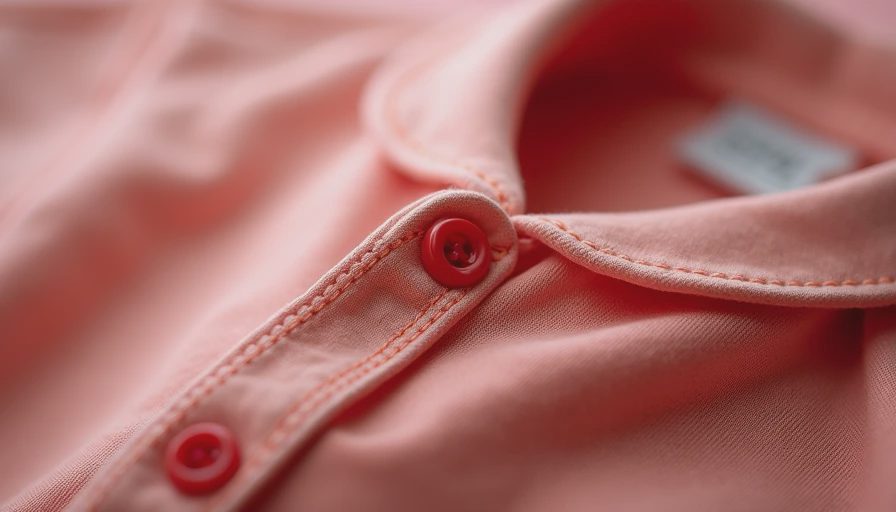
Cotton jersey is my wash-test winner. It's breathable, holds its shape after a hundred washes, and gets softer each time. Look for a fabric weight around 150-180 GSM — thin enough to feel cool, thick enough not to tear. I've had great luck with plain cotton onesies from basic brands, and with a few bamboo-cotton blends that resisted pilling well. What I avoid is anything with fancy trim or lace. Those ruffles scratch a baby's belly, and they pill instantly. For newborn garments, simplicity wins every time. A plain envelope-neck onesie with snaps beats a fashion statement that leaves marks on your baby.
My Newborn Garment Checklist (What I Actually Used)
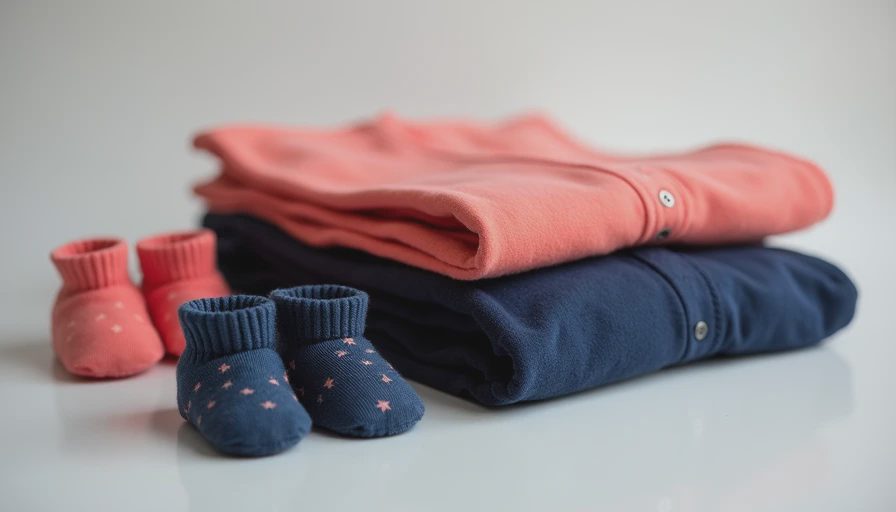
After three kids, I'd buy this: 6 cotton onesies, 4 footed sleepers or sleep gowns, 2 swaddle blankets, 1 going-home outfit, 1 babywearing outfit without a hood, 3 pairs of soft pants, and 1 fleece bunting if you live somewhere cold and wet like Portland. That comes to about 17 pieces. It's less than most registries recommend, but it's enough. The trick is to buy fewer, better newborn garments and rely on hand-me-downs for the few weeks this size fits.
What to Skip (And Spend Your Money On Instead)
Skip the oversized "coming home" photo outfit with suspenders or a giant bow. It fits one afternoon and costs as much as a week of onesies. Skip anything labeled "dry clean only" — you won't follow the label. Skip newborn jeans. They look adorable but the seams dig into a baby's belly and the zippers are a nightmare at 2 a.m.
Instead, spend on high-quality sleepers with dual zippers. A zipper that unzips from the bottom turns a 2 a.m. diaper change into a 30-second event. I've tested the $12 drugstore version against a $30 premium one. The premium held up better — the zipper pull didn't break and the fabric didn't pill after 50 washes. But the cheap one did the job for two months.
How to Wash Newborn Garments So They Last Longer
You don't need a special baby detergent. A free-and-clear detergent without dyes and fragrances is fine for most newborns. Use a cold or warm gentle cycle for day clothes, and a hot cycle for anything that touched diaper area. The number one mistake I see is overloading the washer with seventeen tiny onesies. That traps dirt and leaves soap residue, which can irritate sensitive skin. I also sort newborn garments by color once, because red and blue dyes bleed onto white cotton in the first wash. And I never use fabric softener on bamboo blends — it coats the fibers and makes them less absorbent. If a stain sets in, don't toss the onesie. Drench it in cold water, rub a drop of dish soap into it, and leave it for ten minutes before washing. That method has saved more than half of my stain disasters.
Julia's Test Log: Would I Buy These Again?
Here are some results from my spreadsheet, which now has 1,847 logged garments across three kids. A plain cotton short-sleeve onesie from a big-box store earned a yes. It survived 120 washes across two kids, stayed pill-free, and cost under $3 each in a multipack. A bamboo-viscose footed sleeper from an online boutique earned a maybe. It was the softest thing I've ever touched, but at $36, it only lasted through one baby. For us, cotton did the same job. A novelty tuxedo onesie for newborn photos earned a no. The snaps popped off in one wash, and it wasn't comfortable for daily life. A fleece bunting from a Japanese brand we found secondhand earned a yes. It zipped over any outfit and got handed down through all three kids, and the hood even stayed up. When in doubt, buy less and buy cotton. Newborn garments should feel boring to shop for — boring means it's working. A five-pack of plain cotton onesies and three zippered sleepers will get you through the first month.


Travellers Write
No letters yet — be the first traveller to write.