I learned the hard way that toddler boy clothes need to earn their place in the drawer. When my son Jack was two, I bought a six-pack of cartoon-print tees because they were on sale and adorable. By wash number three, the necklines were stretched out like a hammock, and by week six, his favorite dinosaur shirt had a hole in the knee — wait, it was a shirt, but the hem had unraveled from catching on a slide. I replaced that whole batch within two months. That's when I started keeping a spreadsheet of every piece of toddler boy clothes that entered our house, noting the price, the wash count, and the exit reason. Now, after three kids and hundreds of entries, I have a much calmer system. This guide is the short version for parents who are tired of re-buying the same basics every season.
The good news is that buying better toddler boy clothes doesn't mean spending more. It means spending on the right things and skipping the stuff that won't survive a playground tumble. My goal here is to help you cut the clutter, pick pieces that actually last, and keep your kid comfortable without turning getting dressed into a negotiation.
Let me walk you through what I look for, what I skip, and exactly where I put my money when I shop for my two-year-old Maya's brothers' hand-me-downs. Wait — Maya is my youngest, and she's a girl, but she wears a lot of Jack's old toddler boy clothes around the house because they're soft and already broken in. That's the other thing about good basics: they're unisex enough to hand down no matter what.
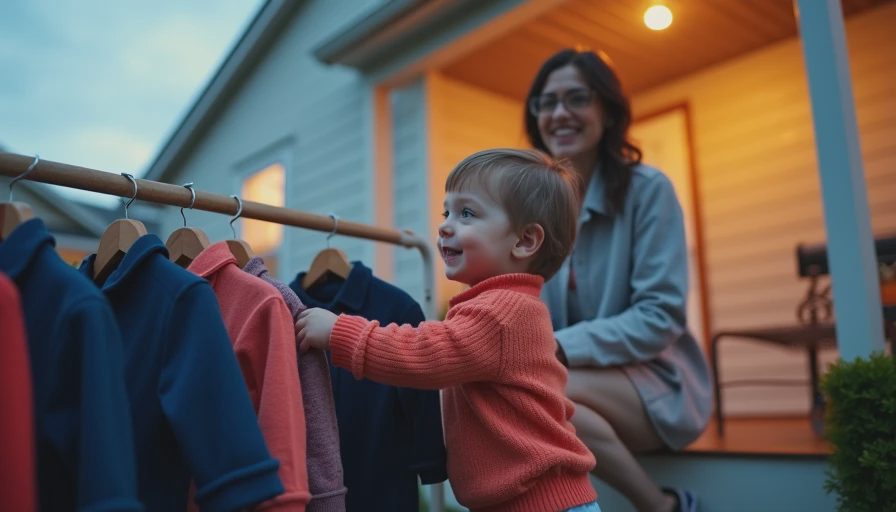
What Actually Matters in Toddler Boy Clothes
Fabric is the first thing I check. For everyday toddler boy clothes, I want cotton that's either combed or ringspun, because those fibers are processed to be smoother and less likely to pill. A label that says "100% cotton" isn't enough — the construction matters. A tight knit holds its shape; a loose knit can stretch out after one wash. If the tee feels flimsy between your fingers, it probably is.
Next is the fit. Toddlers don't need slim or skinny cuts; they need room to run, climb, and sit cross-legged on a classroom rug. Look for a generous seat in pants, a slightly longer hem on shirts so they stay tucked during active play, and waistbands that adjust with internal drawstrings or elastic gussets. My rule of thumb: if you're tugging at the shoulders to get it over his head, it's already too small. And check the care tag. Whatever you do, avoid anything that says "dry clean" or "lay flat to dry" for a two-year-old. You will not be doing that.
The third thing is function. Buttons are a dealbreaker for most toddlers. Snaps or pull-on elastic are your friends. Pants with reinforced knees exist because the first thing a two-year-old boy does in new trousers is drop to his knees. And pockets matter more than you'd think, because a rock, a pinecone, and a half-eaten cracker will all live in them by Tuesday.
The Wash-Test Truth: Why Some Tees Die in 10 Washes and Others Make It to 50
Here's where my spreadsheet comes in. I've logged everything from $6 budget tees to $28 premium brands, and the wash count is all over the map. The biggest predictor of survival isn't the price tag — it's the fabric weight and the stitching. A standard cotton tee with single-needle stitching might pull apart at the shoulder seam in 15 washes. A heavier jersey with double-stitched hems can shrug off 50 wash cycles and still look decent for the next kid.
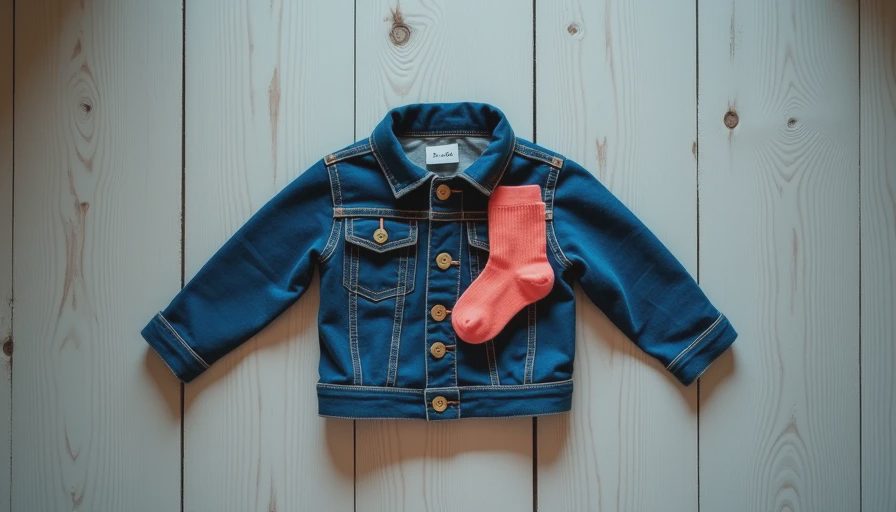
That doesn't mean you have to buy designer toddler boy clothes. Some of the best performers in my log are mid-priced basics from Target's Cat & Jack line and Old Navy's Playzone, especially when bought on sale. The trick is to choose the styles made from thicker cotton jersey, not the gauzy summer-weight stuff that pills before the season ends. For pants, a cotton-polyester blend often outlasts 100% cotton because the synthetic fiber adds tensile strength and resists abrasion. That's not a chemical scare story — it's just how textiles work. My son's best-worn pants are a blend from Primary, and they've been through three children.
If a garment fails, it's rarely because the fabric wore out. It's a seam that popped, a hem that unraveled, or a knee that gave out. That taught me to inspect the stitching when I buy. Inside-out, you should see tight, even stitches and a seam allowance that's more than a quarter inch. If the seams look like they're already puckering, walk away.
How to Build a Toddler Boy Clothes Capsule Without Going Broke
For most boys ages two to four, a practical capsule is about ten long-sleeve tees, ten pairs of pants or joggers, five or six sweaters or hoodies, and a week's worth of socks and underwear. That's roughly 30 to 35 pieces, not counting outerwear and shoes. If you buy at the $10 to $12 range for tees and $18 to $28 for pants, you're looking at $300 to $400 for a full season. That sounds like a lot until you realize you're not re-buying everything in March. Buy at the end of the season instead, when toddler boy clothes go on clearance. I've gotten $8 joggers for $2.50 by sizing up for next fall. Just don't buy more than six months ahead, because growth spurts are unpredictable.
The real win is that a smaller, better drawer makes mornings smoother. When every tee and pair of pants is comfortable and tough, your kid can grab anything and be ready. And if you hand it down later, even better. That's the less-but-better promise, and it works.


Travellers Write
No letters yet — be the first traveller to write.