The Box I Almost Gave Away
When Jack was 18 months old, I pulled out a bin of Ella's old 2T clothes. I held up a pair of jeans, looked at Jack's sturdy toddler thighs, and almost donated the whole bin. He looked nothing like Ella had at the same age. But before driving to Goodwill, I tried the jeans on him anyway. The adjustable waist cinched down perfectly. The length was right. Those jeans ended up lasting him a full year. That near-mistake changed how I handle every single hand-me-down: I now try everything on the younger kid before deciding its fate, and I do it every season.
Why Same-Size Kids Wear Different Sizes
Siblings are rarely shaped the same. Ella was long and lean at 2T, with narrow hips and a short torso. Jack was built like a small refrigerator — broad chest, thick thighs, built for tackling things. They were both solidly in the 50th to 60th percentile for weight, but their weight was distributed completely differently. A garment that fit Ella's straight silhouette pulled and gaped on Jack, and vice versa. The lesson: weight and height percentiles tell you almost nothing about how clothes will fit.
Torso vs. Legs: The Hidden Proportion
Most kids' sizing assumes an average ratio of torso to leg length, but real children deviate wildly. Ella had a long rise and needed high-waisted pants. Jack had a short rise and could wear hip-huggers comfortably by age 2. Maya, at 2, has the longest legs of the three. When I handed down Ella's old leggings to Maya, they were capris within a month. I learned to measure rise — crotch to waistband — and compare it between siblings before even bothering with a try-on.
The Adjustable Waist: Your Best Ally
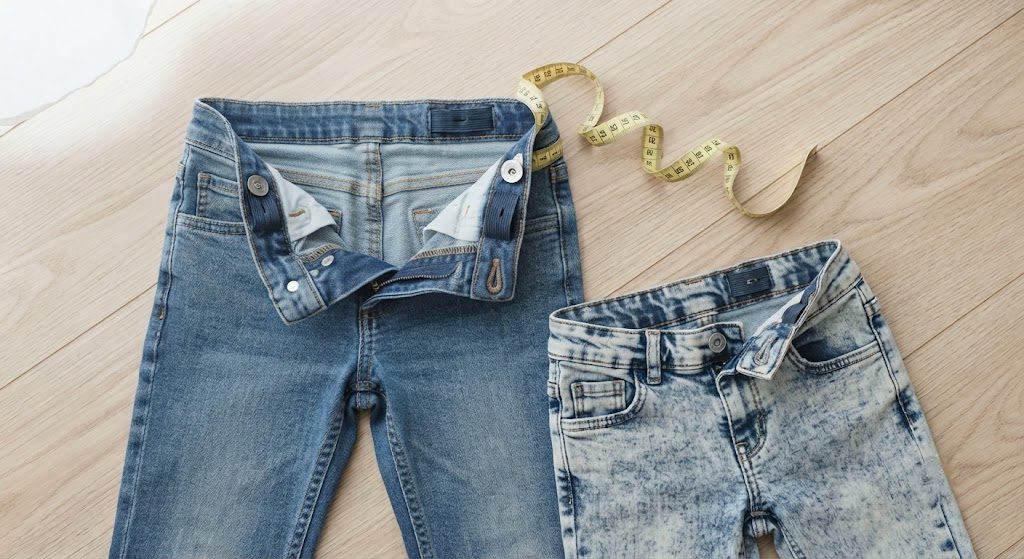
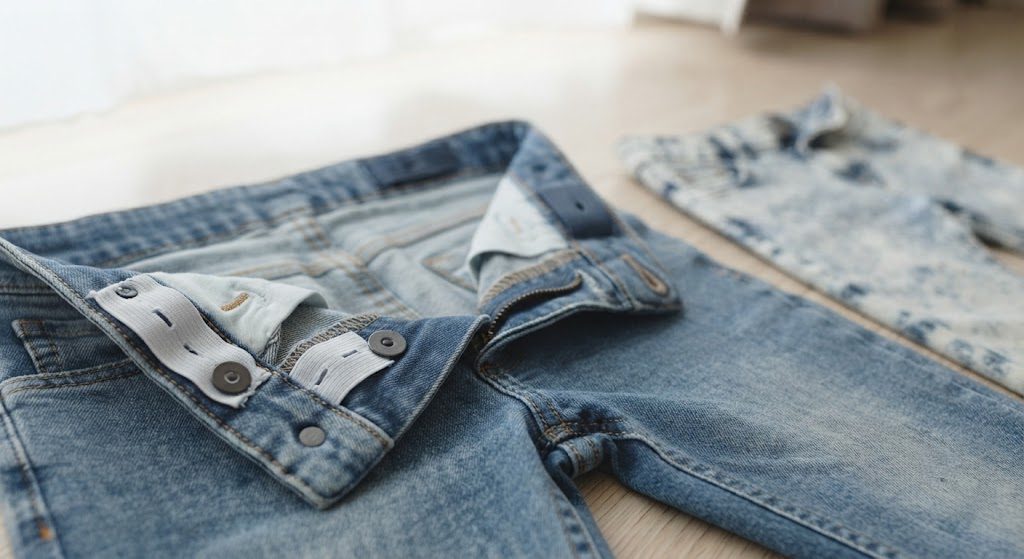
One of the most useful things I ever learned is how to spot a good adjustable waistband and how to work it across kids. Pants and shorts with internal elastic, buttonholes, and flat buttons inside the waistband can typically adjust down by a full size or more. That means a 3T pant can fit a 2T waist, then let out as the child grows. These are the pieces that earn their keep in a multi-kid household.
How to Test an Adjustable Waist
First, check that the elastic is stitched down at the center back seam. If it's only tacked at the sides, it will twist in the wash. Second, pull the elastic to its maximum and minimum and feel for even tension. A cheap adjustable waist will be loose in some spots and tight in others, which creates pressure points. Third, check the buttons. They should be smooth and flat — shank buttons can dig into skin, and metal buttons can heat up in the dryer and cause burns.
The Try-On Calendar: When to Reassess
I used to pull the next-size bin down from the attic when the season changed. That was too late. Kids do most of their growing in the two months before a new season, and by the time I realized nothing fit, I was already shopping in a panic. Now I keep a simple calendar: two weeks before each equinox and solstice, I do a 20-minute try-on session with the next season's bin. Mid-March for spring, mid-June for summer, mid-September for fall, mid-December for winter. Every item gets worn for thirty seconds. If it fits or has room to grow, it goes in the drawer. If it's too small, it goes straight to the donate bag. If it's too big, it stays in the bin with a sticky note marking the expected fit date. This system takes less than half an hour per kid per season and eliminates the midnight discovery that pajama feet are suddenly too tight.
The Cross-Kid Fit Log
In my spreadsheet, I added a section called "Cross-Fit Notes." It tracks which of Ella's pieces fit Jack, which ones worked on Maya later, and what adjustments were needed. Over time, patterns emerged. T-shirts and jersey dresses cross over easily. Woven button-downs and jeans with no stretch work less often. Hanna Andersson long johns fit all three kids across a two-year span each because of the generous length and snug cuffs. This log is my cheat sheet for future seasons.
When to Stop Trying
Not every piece deserves the try-on effort. I have rules: if a garment already has stains, loose seams, or thinning fabric, it gets retired before reaching the younger kid. If my child actively hates the texture or fit, I do not force it. And if the piece would require more than a simple waist adjustment to work — like a dress that's too tight in the chest — I pass it along. Sentimental value does not override a kid's comfort.


Travellers Write
No letters yet — be the first traveller to write.