The pair of girls leggings on our laundry room floor had one knee worn white, a twisted waistband, and a hole opening along the inside seam. Ella had worn them to school, soccer practice, and one ambitious afternoon of sidewalk chalk. They cost $14 and lasted about four months. That was not a disaster, but it was not the value I wanted either. After testing more pairs across three children, I now look at girls leggings through a simple lens: comfort first, useful fabric second, and construction before a cute print.
What makes a good pair worth buying
The best girls leggings are soft enough for a child to wear all day but substantial enough not to become see-through when she bends, climbs, or sits cross-legged. A cotton-spandex blend is usually the easiest place to start. Cotton provides a familiar, breathable feel, while two to eight percent spandex gives the fabric stretch and helps it recover after knees and elbows have done their work.
Polyester blends have a place, especially for athletic wear. They dry quickly and often hold bright colors well, but they can feel warmer and less comfortable for lounging. Rayon or bamboo-based blends can feel wonderfully smooth, although the finished fabric still depends on its knit, weight, and sewing. A fiber label tells you what the material is made from; it does not tell you whether the waistband will stay flat after twenty washes.
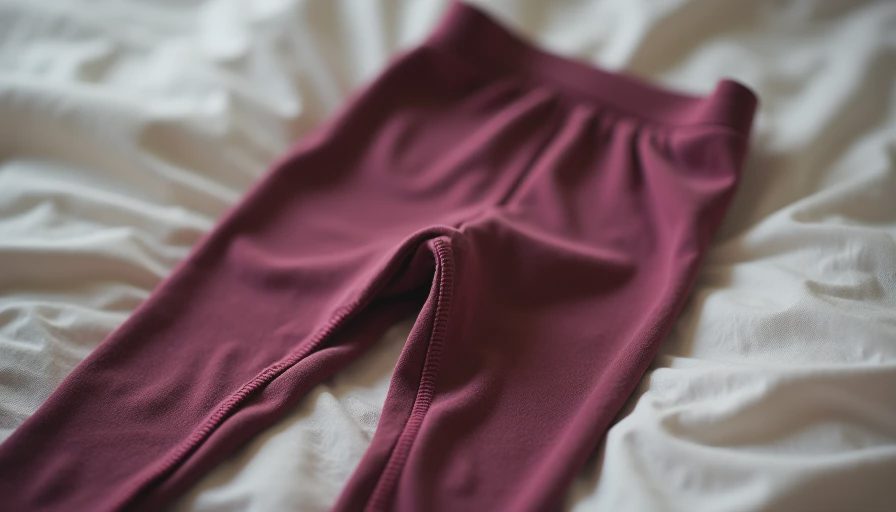
I also check the gusset and crotch seam. A small reinforced panel or neatly sewn intersection can make a real difference for children who run, ride bikes, and climb playground equipment. Flat seams are helpful for sensitive skin, but smooth stitching matters more than a marketing label. Turn the garment inside out before buying when possible. Loose threads, a narrow elastic channel, and uneven stitching are early clues that the manufacturer saved money in the least useful places.
Choosing the right fit for everyday movement
Girls leggings should fit close to the body without leaving deep marks around the waist or ankles. If a child is between sizes, measure the waist and inseam rather than automatically sizing up. Extra length can be folded at the ankle, but an oversized waistband tends to roll, slide, or require constant pulling. For toddlers, a wide covered elastic waistband is generally easier than a drawstring, which can become a frustrating knot during rushed mornings.
For school, I prefer a midweight pair with an ankle opening that stays clear of shoes. For dance or gymnastics, a smoother, more compressive knit can feel secure, but it should still allow a full squat and wide step. For sleep, loose cotton pants may be more comfortable than fitted leggings, especially in a warm bedroom. The right garment depends on the activity, not just the age printed on the tag.
A useful fitting test takes less than a minute. Have your child sit, squat, reach overhead, and walk several steps. Watch for a waistband that drops at the back, fabric that pulls across the knees, or an ankle opening that rides halfway up the calf. If she says the fabric feels scratchy while standing still, it will not become kinder during a long school day.
Fabric, pilling, and the wash test
Pilling happens when loose fibers twist into small balls on the surface. Friction from car seats, desks, backpack straps, and other clothing can make it worse. A brushed interior may feel cozy, but heavily brushed fabric can show pills sooner than a smooth knit. This is not a reason to avoid every soft pair; it is a reason to balance softness with fiber length, fabric weight, and realistic use.
Wash girls leggings inside out in cool or warm water according to the care label, then avoid high heat whenever you can. A hot dryer can shorten elastic life and make a waistband lose its spring. I usually hang-dry the pairs my children wear most and tumble-dry sturdier play clothes on low. Do not use fabric softener as a fix for roughness. It can coat fibers and reduce the fabric's ability to manage moisture.
My Julia Test Log is deliberately boring: purchase price, first wash, first pill, first stretched waistband, and exit reason. A $10 pair that survives 35 washes can be a better buy than a $24 pair that looks tired after 12. I do not expect every garment to pass from Ella to Maya. Different children use clothes differently, and older kids often put more stress on knees and seams.
Building a small, useful rotation
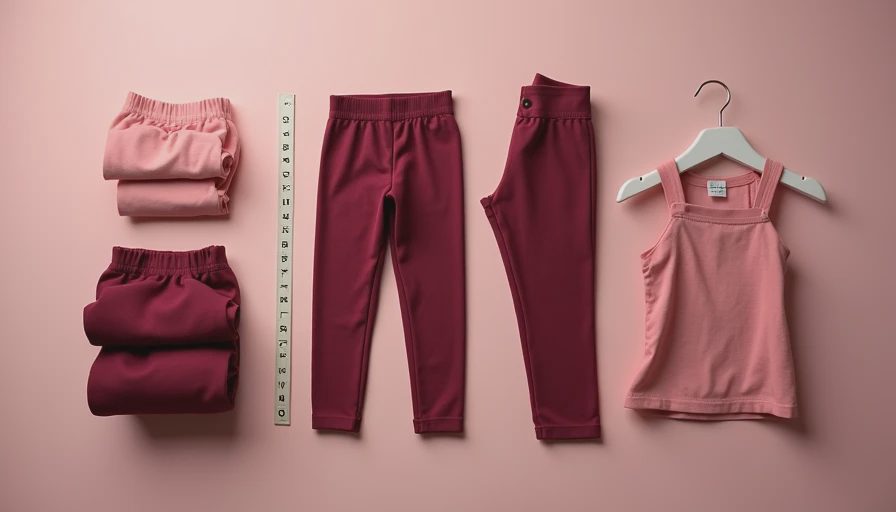
Most children do not need a drawer full of identical bottoms. For one school week, six or seven pairs of girls leggings can cover ordinary wear when laundry happens once or twice. I like two dark neutrals, two lighter solids, one seasonal color, and one or two pairs with a print the child actually chose. This gives enough variety without creating a pile of forgotten clothes.
At the lower price range, often around $8 to $15 per pair, look for straightforward cotton blends and inspect the waistband carefully. In the middle range, about $16 to $28, you may find denser knits, better recovery, and more consistent sizing. Higher-priced options can be worthwhile when the fabric is noticeably more durable or the cut solves a specific problem, but a larger price tag is not proof of better construction.
Buy fewer pairs when the child has a clear favorite. A comfortable black pair that gets worn twice a week is more useful than three novelty pairs rejected after one try. I also keep a small note in my phone about which styles ride down, pill quickly, or fit well after growth spurts. That record makes the next shopping trip calmer and prevents repeating an expensive mistake.
Practical care and hand-me-down advice
When a child outgrows girls leggings before wearing them out, inspect the knees, seat, and elastic before passing them along. Stretch the fabric gently in bright light to check for thinning. If the waistband has twisted permanently or the knees are shiny and weak, the garment has done its job and should not be forced into another child's rotation.
For hand-me-down storage, wash and completely dry each pair before folding it. Store clothing by size rather than season when space allows, and write the actual size on the container. A tag marked 6X can fit very differently from another brand's 6X. When a child grows quickly, an inseam measurement is more useful than the printed number.
Small repairs are worth doing early. A few stitches at a loose hem can prevent a larger split, and a tiny hole near a pocket may be fixable before it reaches the knee. I skip repairs on thin fabric that is already failing in several places. Time is part of the cost, and no pair of girls leggings is valuable enough to turn every laundry day into a sewing project.
My final buying checklist
Before purchasing, ask whether the child can move comfortably, whether the fabric is opaque enough for normal play, and whether the waistband lies flat. Check the fiber content, seam quality, and care instructions. Compare the price with the likely number of wears, not with the fanciest label on the rack. If ordering online, read reviews for repeated details about pilling, ankle width, and waistband recovery rather than relying on star ratings alone.
Would I buy girls leggings again? Absolutely, but I would not buy them in bulk without testing one pair first. My best purchases have been simple cotton-spandex styles with a wide waistband, clean seams, and a color my children reach for without prompting. The winning pair is not the one that photographs most beautifully. It is the one that survives school, playground dirt, laundry day, and the inevitable request to wear it again tomorrow.

Travellers Write
No letters yet — be the first traveller to write.