The pair of girls pants I regretted buying most looked perfect on the hanger: soft brushed fabric, a sweet color, and a waistband that seemed adjustable. Ella wore them twice before the knees went shiny, then refused them because the inside seam scratched. That experience taught me to judge girls pants by what happens after school, snacks, climbing, and 40 trips through the washer—not by the first five minutes in a store.
A useful pair should fit a moving child, tolerate ordinary stains, and work with more than one top. It does not need to be expensive or made from a rare fabric. The best choice usually comes from matching the material and construction to how your child actually spends the day.
How to choose girls pants by fabric and construction
Cotton jersey is comfortable and flexible, but thin jersey can stretch at the knees and lose its shape quickly. Look for a medium-weight knit with a little elastane when your child needs to bend, crawl, or sit on the floor. A small amount of stretch is helpful; a very high stretch content can make the fabric feel flimsy after repeated washing.
Woven cotton twill, canvas, and corduroy are better for structured everyday pairs. Twill has a diagonal weave that generally handles scuffs well, while corduroy adds warmth but can collect lint. Denim is practical, though stiff denim can be a poor choice for preschoolers who spend much of the day moving. For cold weather, a cotton blend with brushed backing can add comfort without requiring bulky layers.
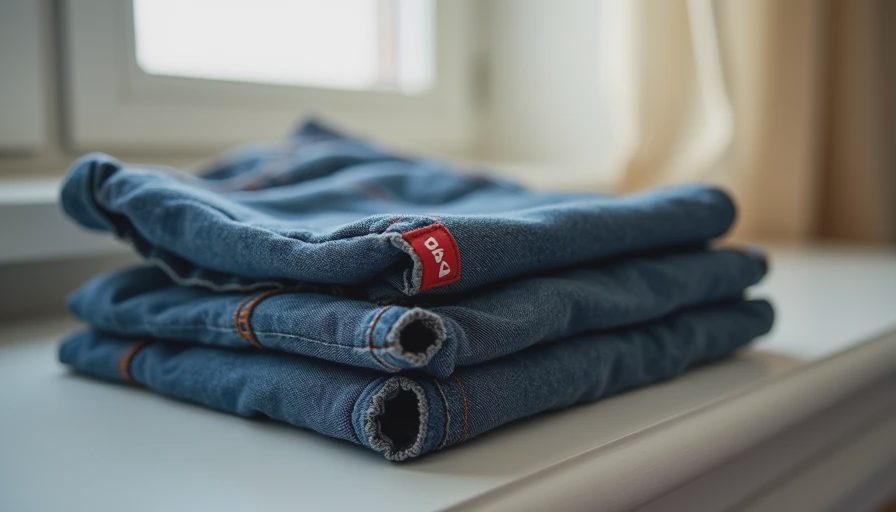
Pay attention to the seams. Double-stitched side seams, a secure crotch seam, and reinforced pocket openings matter more than decorative details. I also turn garments inside out before buying when possible. A rough overlock seam or scratchy label is easy to notice in the store and much harder to fix at home.
Fit details that make girls pants easier to wear
Fit should leave room for movement without creating a constant tripping hazard. For younger children, an elastic waist is usually more useful than a button and zipper. A working drawstring can help, but only when it is securely anchored and not so long that it becomes a nuisance. For school-age children, adjustable button tabs are useful during growth spurts, especially when the waist fits before the inseam does.
The rise deserves a closer look. A low rise can expose a child’s back when she bends or sits, while an overly high rise can feel restrictive under a backpack or dance leotard. Have your child squat, sit, and lift one knee during a fitting. If the waistband digs in or the fabric pulls across the hips, the pair will probably be abandoned no matter how attractive it looks.
Length is another practical decision. Cropped styles can be useful in spring and summer, but full-length pants should not puddle heavily at the ankle. A cuff that can be rolled once is more useful than buying a much-too-large size and hoping the child grows into it. In our house, that strategy usually means muddy hems and a frustrated seven-year-old.
Pockets should be deep enough for a tissue or a small found rock, but not so large that they pull the pants down. Decorative pockets stitched shut are harmless, yet real pockets earn their space quickly on playground days.
Building a small rotation of girls pants
A child does not need ten nearly identical pairs. For a typical school week, I prefer a small rotation: two soft everyday pairs, one durable pair for outdoor play, one warmer option, and one slightly neater pair for family events. That gives enough breathing room for laundry without filling a drawer with clothes that are rarely chosen.
Color affects how hard each pair works. Navy, charcoal, olive, denim, and medium brown hide ordinary playground dust better than pale colors. That does not mean avoiding pink, yellow, or patterned fabric if your child loves them. I simply spend more on the colors that get worn three times a week and less on special-event choices.
For a budget option, cotton leggings or basic knit pants can be excellent when the fabric is opaque and the waistband stays flat. At a middle price, sturdy ponte or cotton twill often provides better shape retention. Higher-priced lines can be worthwhile for thoughtful seams, repairable construction, or traceable fabric, but a higher tag does not guarantee better wear. I have logged $14 pairs that outlasted $32 pairs because the cheaper fabric was denser.
When comparing girls pants, calculate cost per wear rather than price alone. A $24 pair worn 50 times costs about 48 cents per wear. A $12 pair worn six times costs $2 per wear, even before considering the frustration of replacing it.
What my wash-score spreadsheet looks for
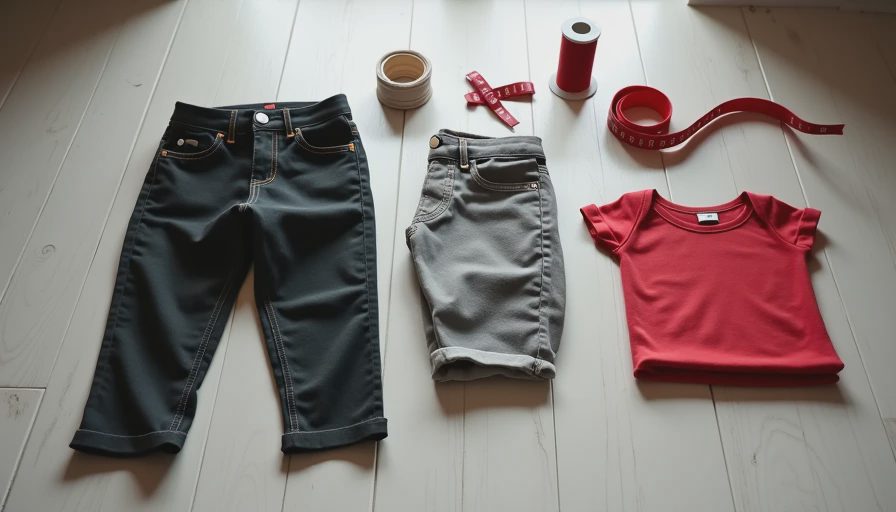
My wash-score log tracks purchase price, washes completed, pilling, fading, stretched waistbands, and the reason each garment left the drawer. That last detail matters. Some girls pants are still technically wearable but fail because a child cannot get them on quickly, the pockets gape, or the knees feel stiff.
Wash new clothing according to the care label, but do not treat every item gently just to protect an unrealistic finish. Everyday clothes need to survive ordinary family laundry. I usually wash dark colors inside out, avoid excessive heat, and skip fabric softener on stretch garments because residue can affect absorbency and feel. Air-drying is gentler, although I use the dryer when life is busy; a wardrobe should fit the household, not create another chore.
Pilling is often caused by friction from car seats, school chairs, backpacks, and neighboring garments. Small pills do not always mean a pair is unusable, but rapid pilling on the seat or thighs is a sign that the fabric may not handle regular wear. Fading around the knees can be normal. A warped waistband after a few washes is not a feature I accept.
A simple buying plan for the next growth spurt
Before shopping, measure the waist and inseam of a pair your child already likes. Write down whether the preferred fit is slim, relaxed, cropped, or roomy. Then check the product measurements instead of assuming every size six fits the same way. Keep one comfortable pair nearby while trying on new options; children communicate fit more clearly when they can compare sensations.
Buy one test pair before ordering a full color range. Wash it twice, ask your child to wear it for a normal day, and inspect the knees, seams, and waistband. If it passes, add another pair in a different color or fabric. This approach prevents the familiar mistake of buying four pairs because the online photo looked convincing.
My final rule is simple: girls pants should earn their place through comfort, repeat wear, and easy care. Would I buy the adjustable-waist cotton twill pair again? Yes. Would I buy the thin, scratchy pair with the charming applique? No. The best wardrobe is not the one with the most choices. It is the one where your child can get dressed, move freely, and find something that works every time.

Travellers Write
No letters yet — be the first traveller to write.