The first pair of boys sweatpants I bought for Jack looked perfect online: soft gray fleece, a neat waistband, and a price low enough to add two more colors. After three washes, the knees were shiny, the cuffs had stretched, and the drawstring disappeared inside the waistband. They became “home-only” pants before the season was over. Since then, I have paid less attention to cute colors and more attention to fabric weight, stitching, and whether a child can get dressed without help.
The best boys sweatpants are not necessarily the thickest or most expensive. They need to feel comfortable on the couch, move easily on the playground, and handle food spills, grass, and repeated washing. Here is what I look for when building a small, practical wardrobe for active kids.
Start with the fabric, not the color
Most boys sweatpants use cotton, polyester, or a blend of both. Cotton feels breathable and soft against the skin, but 100 percent cotton can shrink and may take longer to dry. Polyester adds strength, quick drying, and shape retention. A cotton-polyester blend is often the most useful middle ground for school clothes.
French terry is a good choice for spring, fall, and heated indoor spaces. It has smooth fabric on the outside and small loops on the inside, so it feels lighter than fleece without being flimsy. Fleece is warmer and cozy for winter, but low-quality fleece can shed at first and trap heat during active play. For Portland mornings, I usually want one pair of light French terry pants and one warmer fleece pair rather than five identical heavy options.
Look for a fabric weight that matches the child’s routine. A preschooler who spends hours on the floor may need a sturdier knit, while a tween wearing pants under a winter coat may prefer a thinner layer. “Soft” on a product page tells you very little; fiber content and close-up photos tell you more.
Construction details that matter after wash number ten
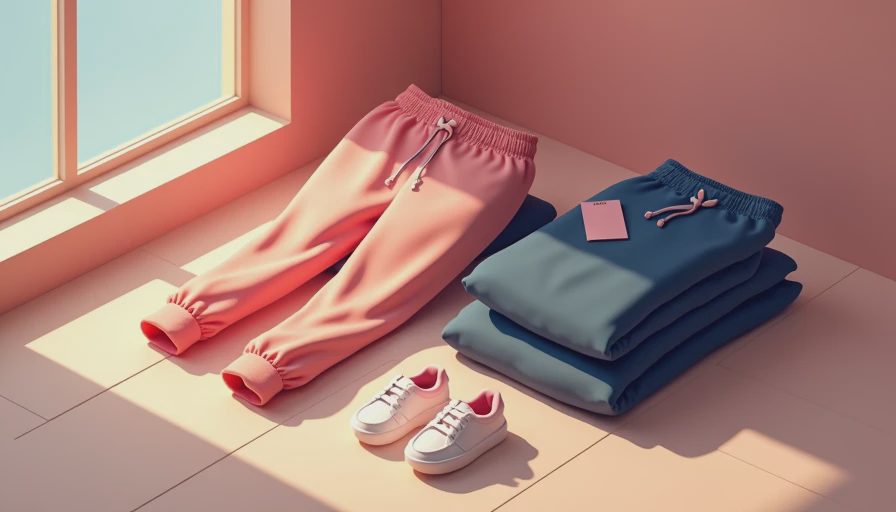
The knees are the first place I inspect on boys sweatpants because crawling, kneeling, and sliding put constant pressure there. A double-layer knee is useful for especially rough play, although it can make pants feel stiff. More commonly, I choose a dense knit with clean, even stitching and no loose threads around the inseam.
Check the waistband before buying. A wide, covered elastic band tends to sit more comfortably than a narrow strip that rolls or digs in. Functional drawstrings are helpful for older children, but toddlers often do better with a flat, fixed waist or an easy-to-use faux drawstring. If the drawstring is only decorative, it should be securely stitched so it does not become laundry-room clutter.
Cuffs deserve attention too. Ribbed cuffs keep pants from dragging through puddles, but very tight cuffs can leave marks and make independent dressing frustrating. Turn the garment inside out if possible. You can often see whether the seams are reinforced, whether the pocket openings are securely finished, and whether the fabric already looks thin around the seat.
Fit for growth without creating trip hazards
Sizing up sounds economical, but oversized boys sweatpants can pool under a child’s shoes and wear through at the hem. I prefer a fit with about an inch of growing room in the length, a waistband that stays up without constant tightening, and enough space for sitting cross-legged. Slim children often need an adjustable waist; stockier children may need a relaxed cut instead of simply going up a size.
Compare measurements rather than relying on age labels. A size 5 from one company can fit like a size 4 from another. Measure a pair that currently fits well from waist to ankle, then compare those numbers with the listing. For hand-me-downs, label the inside waistband with the child’s name and season. That small step saves time when three pairs of nearly identical gray pants are in the laundry basket.
For younger children, avoid extra-long cords and decorative hardware. For older kids, pockets become more important. Two useful side pockets can hold a small rock collection or a bus pass, but shallow pockets pull the pants down when filled with toys.

Washing boys sweatpants without wrecking them
Care starts with the first wash. Turn boys sweatpants inside out, close zippers, and wash them in cold or warm water according to the tag. Hot water and high dryer heat are the fastest route to shrinkage, faded color, and tired elastic. I use a regular detergent, skip fabric softener, and dry most pairs on low heat. Fabric softener can coat fibers and reduce the absorbency of cotton, which is not useful when a child spills milk down the front.
Do not wait until a stain has become permanent. Rinse mud with cool water, work a small amount of detergent into food marks, and wash normally. Grease often needs a drop of dish soap before washing, but test a hidden area on dark colors. If a pair comes out slightly damp, hang it over a chair instead of running another hot cycle.
My wash-score spreadsheet tracks purchase price, washes, and the reason each garment leaves the rotation. A $15 pair that survives a full school year can be a better buy than a $30 pair that pills quickly. Pilling is not always a sign of failure, but heavy pills on the seat and inner thighs usually mean the fabric will feel rough and look tired soon.
Choosing a price point that makes sense
Budget boys sweatpants in the $10 to $18 range can work well for messy preschool days, especially when the fit is right and the fabric is not paper-thin. Cat & Jack at Target is an easy place to find accessible basics, though styles and fabric blends vary by season. I would buy one pair first, wash it twice, and then decide whether to add more.
Midrange options around $20 to $35 often offer better color choices, softer interiors, or more consistent sizing. Primary is known for simple colors and uncomplicated children’s basics; I have not personally wash-tested every current sweatpants style, so I would still read the fiber content and reviews carefully. At the higher end, brands such as Hanna Andersson often focus on substantial fabrics and durable construction, but the extra cost only makes sense if the child wears the pants frequently or they can move through siblings.
You do not need a premium label for every day. A sensible wardrobe might include two affordable play pairs, one nicer pair for travel or school pictures, and one warm pair for cold weather. That gives you enough time between laundry loads without turning a drawer into a pile of barely worn clothes.
The small capsule I would buy again
For a child aged four to eight, I would start with three pairs of boys sweatpants: charcoal or navy for everyday wear, a lighter color for rotation, and a warmer fleece pair for winter. Add two long-sleeve shirts, a washable sweatshirt, and sneakers that can handle playground dust. Neutral bottoms make mismatched mornings much easier, and one brighter pair can still provide personality without requiring a full outfit plan.
Before buying, check five things: fiber content, waistband construction, knee and inseam stitching, current measurements, and care instructions. If a child is between sizes, prioritize a secure waist and a hem that does not drag. If the pants feel scratchy in your hand before washing, they will not become magically softer after ten trips through the machine.
Would I buy boys sweatpants again? Absolutely, but fewer pairs and better chosen. My preferred version is a midweight cotton blend with a wide waistband, useful pockets, and a cuff that stays put. That combination gives kids room to move and gives parents a reasonable chance of seeing the same pants next season.
Travellers Write
No letters yet — be the first traveller to write.