The first pouch I packed for Maya was organic baby food, chosen during a grocery run when she was hungry, I was tired, and the checkout line was moving slowly. She ate three bites, squeezed the rest onto her shirt, and then wanted the banana from my bag. That small disaster taught me something useful: the best food is not always the fanciest jar. It is the option your baby can safely eat, your family can afford, and you can serve without adding another impossible task to the day.
Organic baby food can be a convenient part of that picture. It is not a parenting grade, and conventional produce is not a moral failure. I think of the label as one piece of information, alongside texture, ingredients, packaging, price, and whether your baby actually enjoys it.
What the organic label actually means
In the United States, a product labeled organic must follow USDA organic production rules. For a packaged food to carry the USDA Organic seal, at least 95% of its ingredients must be certified organic, with limited exceptions for the remaining ingredients. A product marked “made with organic ingredients” has a different standard and generally contains at least 70% organic ingredients, but it cannot use the USDA Organic seal on the front.
That distinction matters because front labels can feel more impressive than the ingredient list. Turn the package around and look for a short list of recognizable foods: apples, oats, peas, water, or a little lemon juice. “Organic” does not automatically mean low in sugar, high in protein, or better textured. An organic fruit pouch can still be very sweet, while an organic vegetable blend can be surprisingly mild.
Organic baby food also does not mean homemade, fresh, or nutritionally complete. A shelf-stable pouch is processed so it can sit safely unopened, and many products are smooth by design. That can be useful early on, but babies eventually benefit from practicing different textures and learning to pick up soft pieces.
Choosing the right texture and ingredients
Age ranges printed on packages are a starting point, not a command. Some babies stay interested in smooth purees for a while; others quickly want mashed foods or soft finger foods. Follow your pediatrician’s guidance on readiness, especially if your baby was premature or has feeding concerns. Signs of readiness often include steady head control, sitting with support, interest in food, and the ability to move food around the mouth rather than pushing it out automatically.
For first foods, single-ingredient options make it easier to notice what your baby likes or does not tolerate. Sweet potato, pear, avocado, peas, oatmeal, and plain pumpkin are practical choices. Once those are familiar, blends such as lentil and sweet potato or apple and unsweetened yogurt can add variety. Check the ingredient order: ingredients are listed by weight, so the first one makes up the largest share.
Watch for added sugar and sweeteners. Fruit itself is naturally sweet, and babies do not need extra sugar to accept food. Honey should not be given to children under 12 months because of the risk of infant botulism. Avoid whole nuts, popcorn, hard raw vegetables, and other choking hazards unless prepared in a form your child can safely manage. Supervise eating while your baby is seated upright.
Pouches, jars, tubs, and homemade food
Pouches are light, portable, and wonderfully useful on a day when the diaper bag already contains two changes of clothes. They are also easy for babies to consume quickly without practicing scooping or chewing. When possible, squeeze a little onto a spoon or offer the food in a small bowl. That keeps the pouch from becoming the only way your child experiences meals.
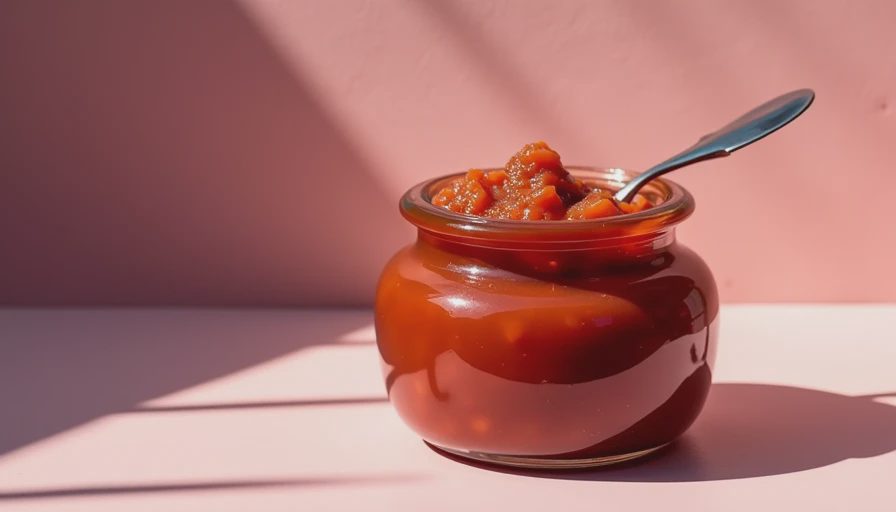
Glass jars are easy to inspect and can be convenient for storing an unused portion in the refrigerator. Tubs and cups often stack neatly, while frozen portions can reduce waste at home. For homemade organic baby food, steam vegetables, blend or mash them with water or breast milk as appropriate, and freeze small portions in clean containers. Label the date so the freezer does not become a mystery drawer.
Do not feed directly from a container if you plan to save the leftovers. Saliva from the spoon can introduce bacteria, so put a serving into a separate bowl and refrigerate the untouched portion according to the package directions. When in doubt, discard food that has been sitting out too long. A few dollars of waste is frustrating; a stomach bug is worse.
Cost is another practical comparison. A pouch may cost roughly $1.50 to $3, while a larger tub or homemade serving can be less per ounce. Homemade food takes time, and time is part of the price. I often used organic baby food for travel and daycare, then served mashed food from our dinner ingredients at home. That combination was cheaper and less stressful than trying to prepare every bite from scratch.
How to shop without getting pulled into hype
Start with the ingredient list, then compare the price per ounce rather than the number of containers. A multipack may look like a bargain but include flavors your baby refuses. Buy one or two single servings before committing to twelve. Store brands can offer organic baby food at a lower price, while premium brands may have unusual combinations or packaging features. Neither category deserves automatic loyalty.
Look for foods that contribute something beyond sweetness. Beans, lentils, eggs, plain full-fat yogurt, tofu, and meat can provide protein and iron when prepared safely and introduced in an age-appropriate way. Oatmeal and other iron-fortified cereals can also be useful. Fruit-only pouches are fine as one part of a varied diet, but relying on them for every meal can leave fewer opportunities for vegetables, proteins, and textured foods.
Read storage instructions carefully. A sealed pouch is convenient for a diaper bag, but once opened it needs different handling. Check for damaged seals, unusual swelling, or an off smell, and do not taste questionable food to decide whether it is safe. A recall notice is a reason to check lot numbers and follow the manufacturer’s instructions, not a reason to panic about every packaged meal.
A simple weekly plan that actually gets used
On Sunday, choose three foods your baby already accepts and two new foods to try. Keep the new items separate at first so preferences are easier to read. Prepare soft family foods without added salt where practical: roasted squash, tender shredded chicken, mashed beans, or oatmeal. Portion a little for the baby before adding stronger seasonings for everyone else.
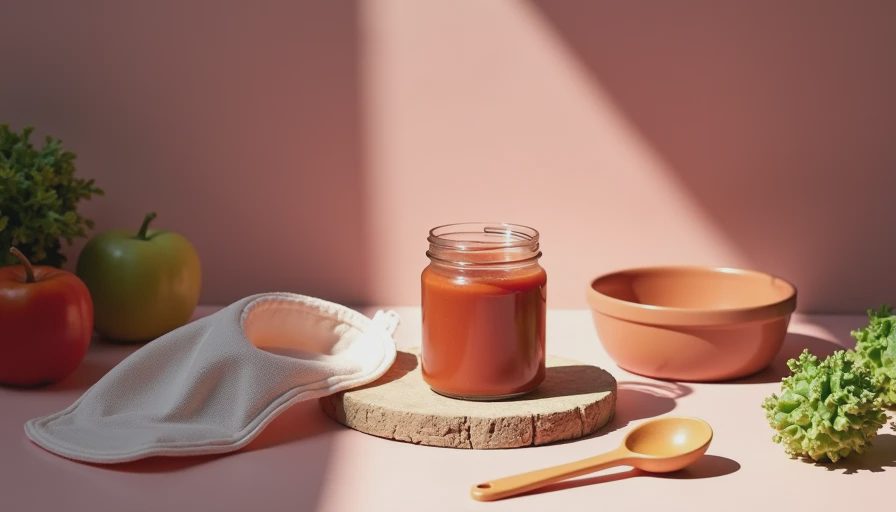
Pack one familiar food and one texture practice food for outings. For example, a pouch spooned into a bowl can be the reliable option, while a soft banana strip lets your baby explore. Carry a bib, wipes, and a spare shirt; no container design can prevent a determined baby from wearing lunch.
Keep a short note on your phone: food, texture, amount eaten, and any reaction. You do not need a complicated spreadsheet, but patterns are helpful. If a food causes hives, repeated vomiting, swelling, or breathing trouble, seek urgent medical help. For less dramatic concerns, contact your pediatrician rather than removing a long list of foods on your own.
My practical verdict
Organic baby food is worth buying when the label aligns with what you need: simple ingredients, a useful texture, a fair price, or a reliable meal during a chaotic day. It is not worth paying extra for a pouch your baby will only drink, a sweet blend that crowds out variety, or a package chosen mainly because the front looks reassuring.
My routine has become a mix of organic baby food, ordinary grocery-store ingredients, and leftovers adapted for small hands. I would buy it again, especially for travel and backup meals, but I would not build the entire feeding plan around it. A calm, varied approach beats a perfect-looking cart every time.


Travellers Write
No letters yet — be the first traveller to write.