The first time one of Ella’s favorite shirts lost its rocket ship after two washes, I learned that cute is not the same as useful. With kids graphic tees, the real job is staying soft, keeping the neckline in shape, and surviving a normal family laundry week. In our house, that means a cold wash when I remember, a warm wash when I do not, and a dryer cycle that is never as gentle as the care tag would like. After years of logging shirts in my wash-score spreadsheet, I can say the best ones are usually the boring ones in disguise: tighter jersey, decent ribbing at the neck, and prints that feel like part of the fabric instead of a sticker sitting on top.
What makes kids graphic tees worth keeping
The best kids graphic tees start with the fabric, not the artwork. A cotton jersey tee with a little weight to it usually feels better on the body and twists less after washing than a thin, floppy shirt. If you see words like combed cotton or ring-spun cotton, that usually means the fibers were cleaned up and spun more evenly, which can make the fabric smoother and a little less scratchy. Pre-shrunk helps, but it is not magic. Even a good shirt can tighten up a bit in the dryer, so I like enough length in the first place for some shrink room.
The print matters too, but not in the way most shoppers think. A screen print that sinks into the knit and flexes with the fabric usually lasts longer than a shiny heat-transfer design that feels like plastic. My best wear tests have been simple shirts with one or two colors, because heavy, all-over art tends to crack sooner and show wear fast at the shoulders and hem. If a shirt still looks decent after repeated washing, it is usually because the cotton, the ribbed neckline, and the print method were all balanced from the start.
Fit details that matter more than the print
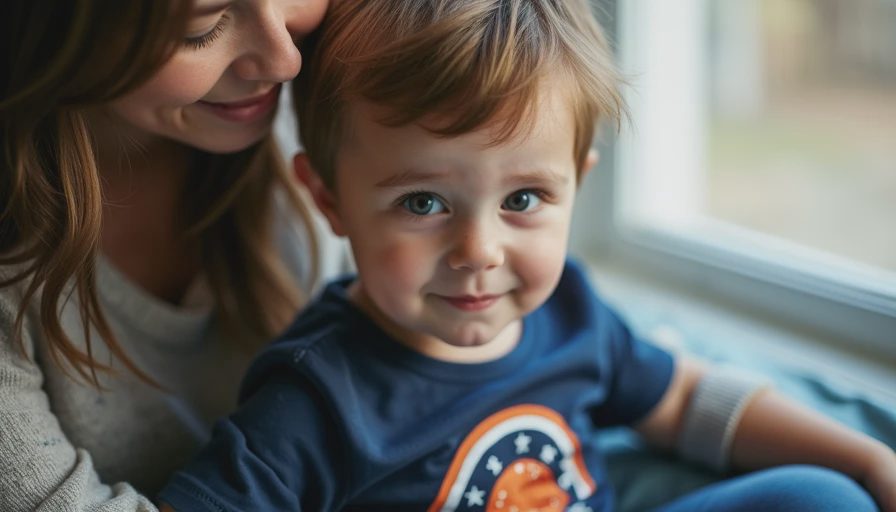
Fit is where a lot of parents get tripped up, because a fun design can hide a bad shape. For younger kids, I look first at the neck opening and shoulder seams. If the collar is too wide, the shirt slides around all day. If it is too tight, the shirt goes into the donation bag before the next growth spurt. Tagless labels help more than people think, especially for kids who complain about itchy seams. A straight hem and sleeves that land mid-upper arm tend to work better across layers than a trendy boxy cut that rides up under a sweatshirt.
For older kids, I pay more attention to length and wash recovery. Some tees look fine fresh out of the package, then come out of the dryer with a crooked side seam or a neckline that gives up after the second wash. That is not always a fabric problem; sometimes the cut is just off. When I shop in person, I stretch the neck a little, check the side seams, and picture the shirt after a day of climbing, lunch spills, and one too many playground pulls. Kids graphic tees should feel easy enough that a child reaches for them without thinking about it.
Print methods, wash care, and what survives the dryer
Laundry habits decide a lot more than the marketing copy does. I wash printed shirts inside out when I remember, use regular detergent, and skip the hottest setting unless I am trying to shrink something on purpose. Low heat helps the print and the ribbing at the neck stay in better shape. High heat is the fastest way to make a cute shirt look tired, especially if the design is heavy or layered. Fabric softener is not necessary here, and with some graphics it can make the surface feel slick instead of soft.
In my house, the shirts that survive the longest are the ones that do not need babying. One budget cotton shirt with a plain screen print lasted through roughly 30 to 40 washes before the neckline started to relax. A fancier shirt with a thicker graphic looked great at first, then developed edge cracks before it had the same mileage. That is why I trust a tee that looks modest but feels dense in hand. Kids are hard on clothes. A shirt that can handle lunch, mud, and the dryer without a fuss is the real winner.
How I buy kids graphic tees by price tier
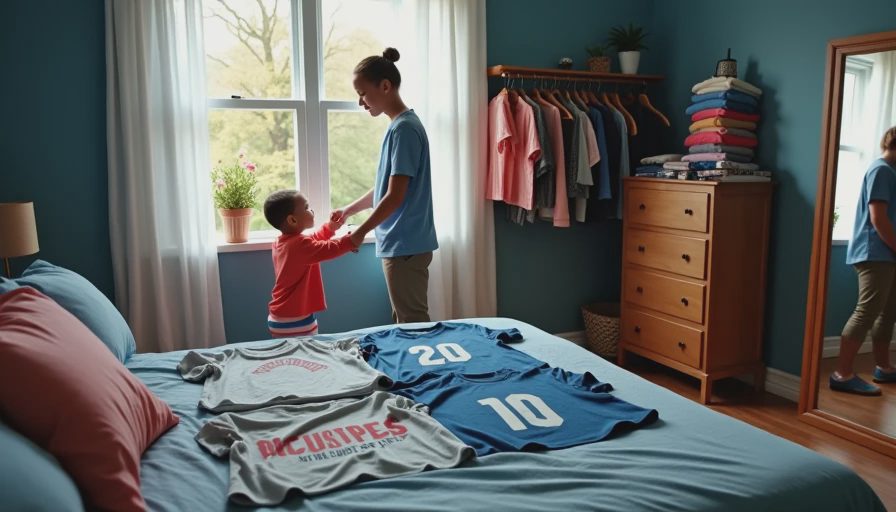
This is where the numbers get useful. Budget tees in the $6 to $12 range are often enough for school, playgrounds, and rapid growth years, especially from lines like Cat & Jack or Old Navy, where the value is usually in the print variety and easy access. Mid-range shirts around $12 to $18, like many Primary basics, usually give you cleaner fabric, better colors, and a more dependable neckline. Premium shirts, often $24 to $38, can be worth it when the child is wearing the same piece often, or when you want a shirt that can move down to a younger sibling without looking tired too quickly.
I do not spend premium money on every shirt. For a preschooler who spills yogurt like it is a hobby, a well-made budget tee is fine if the cotton is decent and the shape is right. For a kid who has strong opinions and wants the same shirt every week, I would rather buy one better tee than three flimsy ones. Hanna Andersson is a good example of a brand people often reach for when they want a sturdier, longer-wearing option, while Target and similar stores are where I look for the fast, affordable version of the same idea. The trick is matching the price to the job.
A small shopping system that cuts clutter
The easiest way to keep the closet calm is to stop treating every cute design like a must-buy. I keep a simple rotation: one shirt a child truly loves, one neutral that works with everything, and one backup for the weeks when laundry gets away from me. That usually means fewer total tees, which also means less folding, less sorting, and fewer shirts shoved to the back of a drawer because they were only exciting in the store. If a print does not work with jeans, shorts, joggers, or a cardigan, it has to earn its place in a very small closet.
This is also where hand-me-downs get smarter. A shirt with a solid neckline, good shoulder shape, and a soft print can move from one child to another and still look presentable. A flimsy novelty tee usually cannot. I let the graphics be the fun part and keep the rest plain, so the shirts mix into the wardrobe instead of competing with it. That is the whole less-but-better idea in one drawer: fewer pieces, more wear, and no guilt when a favorite shirt finally lands in the rag pile.
Would I buy kids graphic tees again?
Yes, but only the ones that act like real clothes, not souvenirs. The shirts worth buying are the ones with enough cotton weight to drape well, a neckline that bounces back after washing, and a print that still looks calm after a few dryer cycles. I would skip anything scratchy, shiny, or so trendy that it only works with one outfit. In my notebook, the best shirt is the one a kid pulls from the clean basket over and over because it feels good, looks good, and does not turn into a laundry problem. That is the standard I use now, and it saves money every season.


Travellers Write
No letters yet — be the first traveller to write.