The yellow cotton dress looked perfect online: soft color, full skirt, tiny buttons. After one preschool lunch, it had tomato on the front, marker on the sleeve, and a twisted seam. That was my reminder that choosing girls dresses is less about the picture on the hanger and more about fabric, fit, and what a child actually does all day. The best piece is comfortable enough for climbing, neat enough for family photos, and sturdy enough to return to the laundry basket every week.
Start with the fabric, not the decoration
For everyday wear, cotton jersey is usually the easiest starting point. It has a little stretch, feels familiar against skin, and works well for play dresses and school layers. Look for a reasonably dense knit rather than a very thin, silky-looking fabric. Thin jersey can be pleasant in hot weather, but it may show stains and wear quickly around the knees or seat.
Cotton poplin has a crisper feel and holds a shape nicely. It is useful for a shirt dress or a simple summer style, though it can wrinkle more than jersey. Linen and linen-cotton blends breathe well in warm weather, but expect wrinkles and check whether the care instructions allow machine washing. Polyester can add durability and reduce wrinkles, especially in a dress used for parties, but it may feel warm during active play.
I am cautious with very fuzzy fleece-like interiors and rough synthetic lace. A child who refuses to wear a garment is not helped by its excellent sale price. Before buying, imagine the fabric after a snack, a car-seat ride, and an afternoon on the playground. That thought experiment tells you more than a styled product photo.
The details that determine whether a dress gets worn
A dress can have a lovely print and still fail because the neckline is tight or the armholes rub. For younger children, wide openings, soft waist seams, and simple closures make dressing much easier. Snaps at the shoulder can help with toddler sizes, while a back zipper is fine for an older child who can manage it independently.
Check the hem before purchasing. A narrow, carefully stitched hem tends to wash better than a loose decorative edge. Pull gently across the side seams and inspect whether the stitching looks even. You do not need a tailor's eye; you are simply looking for places that seem likely to unravel after a few energetic wears.
Pockets are not essential, but functional pockets often turn a pretty garment into a favorite. Ella carries a smooth rock, a library card, or one small toy in hers. I prefer pockets that are stitched into a side seam or attached securely, rather than large floppy pockets that drag down the front. For school, avoid long ties and dangling embellishments that can catch on chairs or playground equipment.
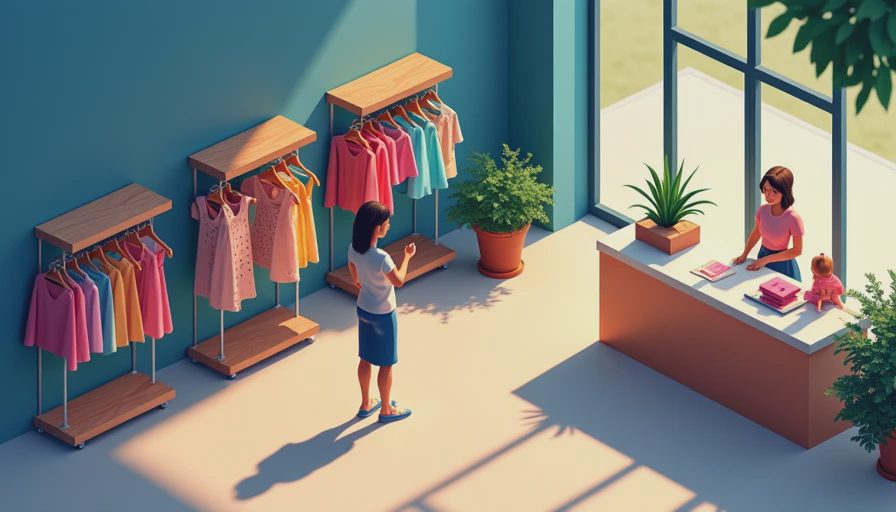
Choose girls dresses by the week, not the fantasy occasion
A useful wardrobe has a few jobs covered. Two or three casual dresses can handle school, errands, and warm weekends. Add one layering-friendly option for cooler months and one dressier piece for birthdays or family gatherings. That is often enough, especially when leggings, tights, cardigans, and denim jackets change the look.
For a child who wears dresses frequently, I like a simple rotation: one in the wash, two available, and one slightly nicer option. Buying six special-occasion outfits can sound exciting, but they may sit untouched while the same soft cotton style gets worn repeatedly. Girls dresses with plain shapes and washable prints usually earn more wears than heavily decorated pieces.
Think about the calendar and climate. In Portland, a short-sleeved dress may need a long-sleeved shirt underneath for much of the year. In a hot, humid area, a loose sleeveless cotton style may be more practical. A midi length can work for older children, while a shorter dress with bike shorts underneath may offer easier movement for toddlers. The right length is the one that does not require constant tugging.
A simple price comparison
At the lower end, roughly $10 to $20, you can find useful basics at big retailers and outlet sections. Inspect seams and fabric weight carefully, because quality can differ between styles in the same store. These pieces make sense for messy art days, rapid growth, or a color your child may outgrow emotionally before physically.
Around $25 to $45, many girls dresses offer better fabric recovery, stronger hems, and prints that coordinate with existing layers. This is often the practical middle ground for a core wardrobe. A $35 dress worn 25 times costs about $1.40 per wear, while a $15 dress worn twice costs $7.50 per wear. The cheaper tag is not automatically the better value.
At $50 and above, you are often paying for finer fabric, unusual construction, a specialty print, or a smaller production run. That can be worthwhile for a ceremony or a hand-me-down piece, but it is not necessary for every school day. I have not personally wash-tested every premium label, so I would still read the care tag and inspect the seams before assuming the higher price guarantees longevity.

Washing girls dresses so they last longer
The care tag is a useful prediction of effort. If a dress requires hand washing and flat drying, ask whether your household will realistically do that after a spill. Machine-washable cotton is usually easier to keep in rotation. Wash dark colors separately the first time, close zippers, and turn printed garments inside out to reduce surface rubbing.
Use a moderate amount of detergent rather than filling the cap to the top. Too much detergent can leave residue that makes fabric feel stiff. Avoid high dryer heat when possible, especially for cotton knits, because repeated heat can shrink fibers and fatigue elastic. I usually remove dresses while they are slightly damp, smooth the seams by hand, and hang them on a child-size hanger.
Julia Test Log: my useful benchmark is not whether an item looks new after two washes. I record whether it still fits, whether the print cracks, whether the side seams twist, and whether my child reaches for it without being asked. A little fading is acceptable. A stretched neckline or a hem that curls after six washes is not a success.
A practical buying checklist
Before adding a dress to your cart, ask five questions. Can your child move freely in it? Does the fabric suit the season? Will it work with at least two existing layers? Can your household wash it without special scheduling? Does the price make sense for the number of wears you expect?
Also check the next size carefully. A very oversized dress may look economical, but a deep armhole or long hem can make it uncomfortable now. A gently relaxed fit is more useful than buying two sizes too large. If siblings might share the garment, choose a durable color and a shape that is not tied to one age or trend.
My favorite girls dresses are rarely the most dramatic ones. They are the soft cotton dress that survives a picnic, the button-front style that works with leggings in October, and the plain navy option that looks polished after a quick wash. Would I buy this approach again? Yes. I would spend first on comfort and construction, then add decoration only when it earns its place in the weekly rotation.


Travellers Write
No letters yet — be the first traveller to write.