The first time I realized boys shirts were costing me more than they should, it was a pale blue tee with a collar that came back wavy after two washes. Jack wore it to school, I washed it cold, and by Friday it looked tired in a way that made no sense for something so new. That is the part nobody mentions at checkout: a shirt can look fine on the rack and still turn limp, twisted, or neck-stretched after a few real-life days. In my house, the goal is not a perfect closet. It is a small drawer of shirts that can handle lunch stains, bike rides, rough play, and one kid trying to rip them off over his head like a cape.
How I shop for boys shirts without overbuying
I start with use, not cuteness. If a shirt is for school, I want soft cotton or a cotton blend with enough weight to drape instead of cling. If it is for weekends, I care more about comfort and wash speed. For boys shirts that get worn three times a week, I avoid the thinnest jersey because it often loses shape at the neck first. A midweight tee usually holds up better than the bargain-bin version that feels lovely for one afternoon and then turns flimsy by spring. When I am buying boys shirts for hand-me-down potential, I look for tight stitching at the shoulder, a collar that springs back, and fabric that does not go sheer when you hold it to the light. At the $10 to $15 level, Target's Cat & Jack and Old Navy basics are usually easy entry buys. In the $18 to $30 range, Primary, Hanna Andersson, and Uniqlo often give steadier fabric and cleaner finishing.
The other thing I watch is how many shirts a child actually wears. My spreadsheet says one child can live in five good tees, two nicer tops, and a long-sleeve layer for most of the season. More than that and the drawer just turns into clean laundry clutter. If a shirt only works with one pair of pants, I pass. If it works under a sweatshirt, over a thermal, and with shorts on a mild day, it earns its place.
What the fabric tag tells you about boys shirts
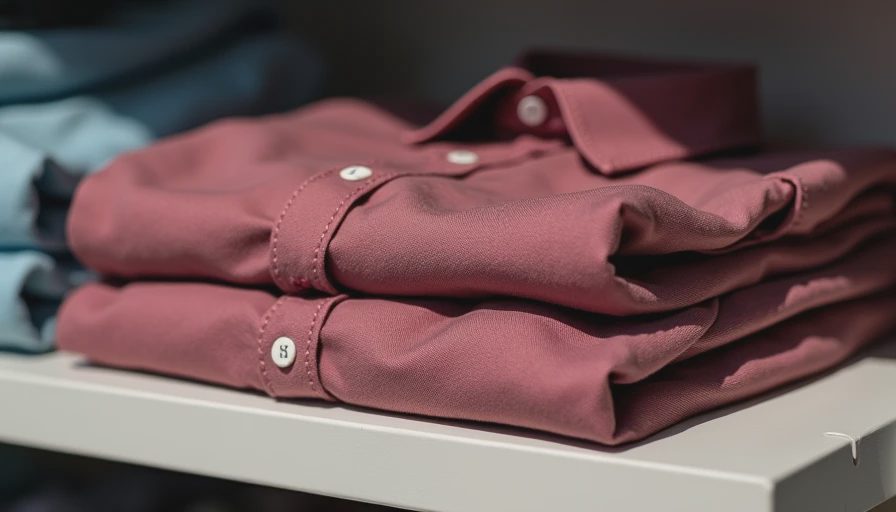
The fabric label matters more than the logo on the chest. Cotton jersey is soft and breathable, which is why it shows up everywhere, but a thin jersey can pill fast if it is washed hot or dried too long. Cotton-poly blends usually dry faster and wrinkle less, which helps for school mornings, though they can feel a little less airy in summer. Rib knit has stretch and is nice for younger kids who want more give through the torso. Oxford cloth is sturdier and a little more structured, so it works well for button-downs. Twill is tougher and often shows up in dressier shirts that still need to survive lunch and recess.
Organic cotton gets a lot of attention, but it does not automatically mean softer or stronger. What usually matters more is knit density, yarn quality, and how the shirt is finished. A well-made conventional cotton tee can outlast a thin organic one, and a thicker organic tee can absolutely be worth the extra cost if your child likes a softer hand. If the tag says pre-shrunk, expect less shrinkage, not zero. I still dry most shirts on low because heat is what turns a good fit into a too-short hem.
If you shop by feel, run your hand over the inside seams. Scratchy labels, loose threads, and sloppy shoulder tape are all little warning signs. A shirt that starts neat in the store usually behaves better after ten washes.
Fit details that make boys shirts easier to wear
Fit is where a lot of parents get tripped up, because kids rarely care about the same things adults do. I care about shoulder seams sitting near the edge of the shoulder, a hem that stays tucked in if needed, and sleeves that do not crawl up after the first cartwheel. A slightly longer body is helpful for tall, lean kids who hate the gap at the back of a tee. For broader kids, a regular cut is usually easier than a slim cut that pulls across the stomach and makes the whole shirt look smaller than it is.
Neck openings matter more than people think. A crewneck that is too tight turns into a morning battle, while one that is too wide stretches out and looks sloppy by lunch. A ribbed collar with a bit of recovery is the sweet spot. For school shirts, I like enough room for a base layer in cooler months, because then one top works from September into spring. For dressier pieces, a button-down with a little ease under the arms is better than one that only looks nice when a child stands perfectly still.
The easiest way I have found to buy well is to compare one shirt your child already wears constantly with the new option in your hand. If the new one is thinner, shorter, or much wider at the neck, it is probably not the buy that saves money in the long run.
A simple drawer plan by age and budget
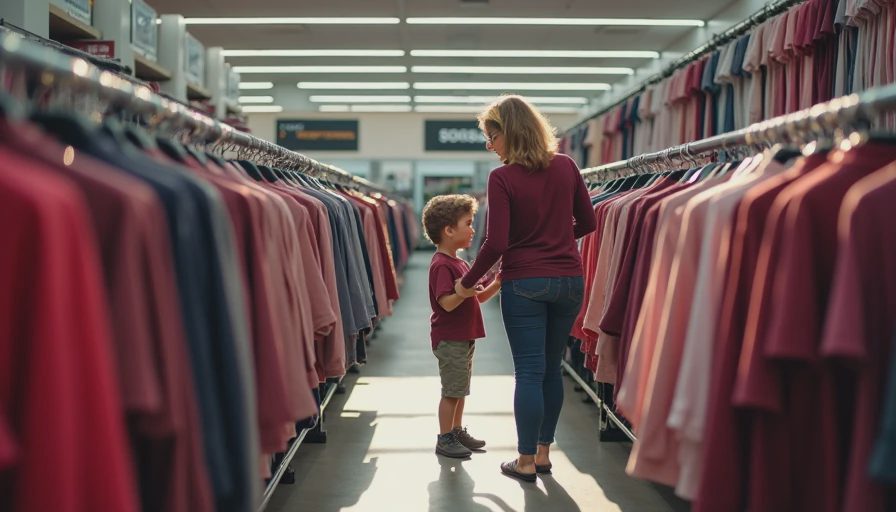
For toddlers, I like a smaller rotation because the size changes come fast and the stains are brutal. Three or four easy tees, two long-sleeves, and one nicer shirt usually cover most weeks. For school-age kids, I build a drawer with five to seven everyday tops and one or two dressier pieces. That is enough to rotate through messes without creating a mountain of laundry. If a child hates snug necklines, I lean toward soft henleys and notched collars instead of more crewnecks.
Price is where many families can save without feeling it. A $7 shirt that twists after six washes is not actually cheaper than a $14 shirt that lasts a full season. On the flip side, you do not need every top to be premium. My best pattern is usually a few sturdy basics in the $12 to $18 range, one or two nicer button-downs around $25 to $35, and maybe a cheaper play shirt for art class or camp. That mix keeps the drawer useful without turning clothing into a big monthly expense.
If you want a practical shortcut, buy the shirts that match three other things already in the closet. Gray, navy, white, soft green, and muted stripes do the heaviest lifting. Loud graphics are fun, but they limit repeat wear and can make a child feel overdone in the same outfit photo after photo.
When to skip the cute extras
This is the part that saves money for me every year. Sparkly prints, thick appliques, and heavy heat-transfer graphics usually age faster than the rest of the shirt. They can crack, peel, or feel stiff after a few hot dryer cycles. If your child is very attached to a character shirt, keep it in the mix. Otherwise, a plain tee with good fabric is usually the smarter buy. The shirt that wins in my spreadsheet is almost always the one that is slightly heavier, easy to layer, and simple enough to pass down.
I also skip anything that looks like it will be fussy to care for. If the tag asks for cold wash, line dry, and no ironing, I want the shirt to earn that extra work. Most school clothes in our house need to survive a normal cold cycle and low heat. Anything more delicate has to be special enough to justify the trouble, and most days it is not.
If you're rebuilding boys shirts for school, start with two solids, one stripe, and one button-down. Would I buy it again? Yes, if it fits the child, the fabric feels solid in my hand, and the price makes sense for the number of wears I expect.


Travellers Write
No letters yet — be the first traveller to write.