Last summer, I packed sunscreen for a park morning and discovered that the bottle had leaked across the snack bag, the stroller blanket, and one very annoyed five-year-old. The best sunscreen for kids is not simply the one with the prettiest label or the highest number on the bottle. It is the formula your child will tolerate, the protection you can apply generously, and the product you will actually remember to reapply.
This is a practical guide rather than a single brand decree. I have not personally wash-tested sunscreen the way I track our kids' cotton shirts, so I am sticking to label details, application habits, and the real-life problems that make family sun protection difficult.
What to look for in the best sunscreen for kids
Start with three label basics: broad-spectrum protection, SPF 30 or higher, and water resistance when your child will swim, sweat, or play through a sprinkler. Broad-spectrum means the product is designed to protect against both UVA and UVB rays. SPF describes protection against sunburn from UVB; it is not a timer that lets a child stay outside all day.
For most children, a lotion or cream is easier to apply thoroughly than a spray. Look for zinc oxide or titanium dioxide if your child has sensitive skin or if you prefer a mineral formula. These ingredients sit on the skin and help block or scatter ultraviolet light. Chemical sunscreen ingredients can also be safe and effective, but some children dislike the feel or develop irritation. The right choice is the one that works comfortably for your family.
Avoid relying on a product labeled “baby” as proof that it is automatically better. Read the active ingredients, expiration date, SPF, and water-resistance statement. A simple SPF 30 lotion can be a smarter buy than an expensive novelty product that your child refuses to wear.
Mineral, chemical, lotion, or stick?
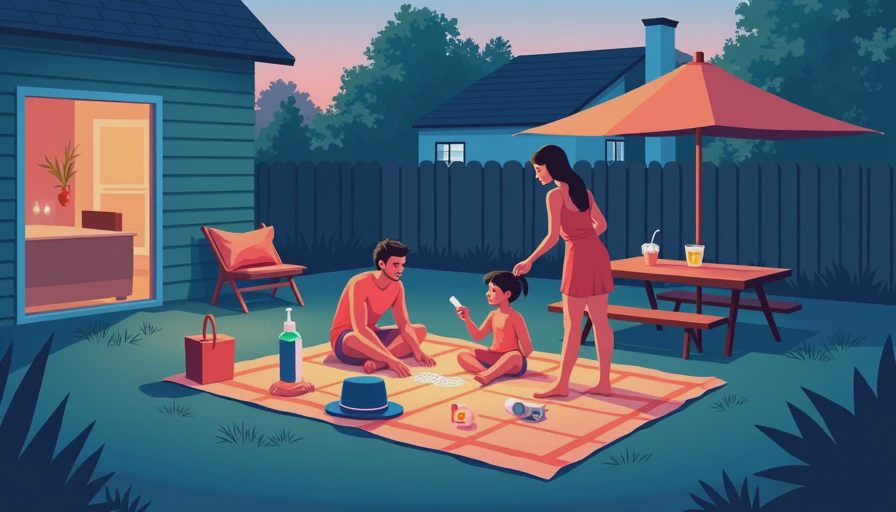
When parents search for the best sunscreen for kids, they often begin with mineral versus chemical. Mineral formulas are a common first choice for cheeks, noses, and children prone to stinging. They can leave a white cast, especially on deeper skin tones, and thicker formulas may collect around elbows or hairlines. That is an application issue, not a reason to skip sunscreen; rubbing in smaller sections usually helps.
Chemical formulas tend to spread easily and often feel lighter under clothing. They can work well for older children who complain about a heavy lotion. A sunscreen stick is handy for ears, the bridge of the nose, and quick touch-ups, but it is easy to under-apply. I use a stick as a companion rather than the only product for a full beach day.
Sprays are convenient for wiggly children, but never spray directly onto a child's face. Spray into your hands first, then smooth it over the face, neck, and ears. Use sprays outdoors and away from flames, and keep applying until every exposed area has a visible, even layer.
How to apply sunscreen without turning it into a wrestling match
The best sunscreen for kids still needs enough product to work. Apply it about 15 minutes before going outdoors, following the label directions. Use a generous layer on the face, neck, shoulders, arms, legs, tops of feet, and any part line. Ears and the backs of hands are easy to miss. For a child wearing a swimsuit, apply before getting dressed so you can reach the skin around straps.
Reapply at least every two hours, and sooner after swimming, toweling off, or heavy sweating. Water-resistant does not mean waterproof. Products are typically labeled for either 40 or 80 minutes of water resistance, so check the bottle rather than guessing.
A routine helps. We keep sunscreen beside the door with hats and sunglasses. Jack gets his arms and legs first, then he chooses whether I do his face or ears. Ella can apply a small amount to her arms while I check the spots she cannot reach. Maya gets sunscreen after a quick snack, when she is less interested in escaping.

Clothing and shade do some of the work
Sunscreen is only one layer of protection. A lightweight long-sleeve shirt, brimmed hat, sunglasses, and shade can reduce the amount of skin you need to cover. Tight-weave fabric generally blocks more light than a thin, loosely knit shirt. Darker colors often provide more coverage than very pale ones, although comfort matters because a hot, miserable child will pull off the hat and shirt.
For babies younger than six months, keep them out of direct sunlight with shade and protective clothing whenever possible. Ask your pediatrician for guidance before using sunscreen on a very young infant. For older babies and children, exposed skin still needs sunscreen even when they are wearing a rash guard or sun hat.
I like rash guards for pool days because they protect the covered torso and reduce the amount of lotion needed. They do not replace sunscreen on hands, lower legs, feet, neck, or face. Think of clothing as a useful shortcut, not a complete solution.
A simple family shopping comparison
A budget mineral lotion around $8 to $12 can be perfectly useful for everyday walks, provided it has broad-spectrum SPF 30 or higher and your child accepts the texture. A mid-priced sensitive-skin lotion from brands such as CeraVe, Vanicream, Thinkbaby, or Blue Lizard may be worth considering when fragrance or stinging is a recurring problem. Prices vary by store and package size, so compare the cost per ounce rather than the shelf price alone.
A stick often costs more per ounce, but it earns its place in a diaper bag because it is tidy and quick for noses and cheeks. A family-size lotion usually offers better value for shoulders, legs, and repeated pool-day applications. I would spend extra on a formula that gets used consistently before spending extra for a decorative package or an unusually high SPF number.
The best sunscreen for kids in your house might be a mineral lotion for Maya, a lightweight chemical formula for Ella, and a stick kept in Jack's soccer bag. One household does not need one perfect bottle for every child and activity.
My five-minute sunscreen checklist
Before leaving, check the expiration date and give the bottle a shake if the label instructs you to. Apply sunscreen to clean, dry skin, then add hats and protective clothing. Put a reminder in your phone for two hours after the first application, or connect reapplication to lunch, a swim break, or a refill of the water cooler.
Pack more than you think you need for a long outdoor day. A small bottle disappears quickly when three children need arms, legs, faces, necks, and feet covered. Keep a backup in the car, but do not leave it baking in extreme heat for long periods; store it as the label recommends.
If a rash, swelling, or persistent irritation appears, wash the product off and seek medical advice. For ordinary family use, though, consistency beats perfection. The best sunscreen for kids is broad-spectrum, applied generously, reapplied on schedule, and paired with shade and clothing.
My verdict is Yes to keeping a dependable lotion at home, a stick for faces and bags, and a hat by the door. Buy the formula your children will wear without a daily negotiation, then make the routine boring enough that everyone remembers it.

Travellers Write
No letters yet — be the first traveller to write.