The first time I washed six bottles, three pump parts, and a handful of tiny valves by hand, I left one silicone membrane drying on the kitchen floor. That was the evening I started looking seriously at the best bottle washer and sterilizer. A machine cannot remove every parenting chore, but the right one can turn a daily sink pile into a more predictable routine.
This guide is for parents who want clean feeding gear without buying the largest appliance on the market. I am focusing on the details that matter after the first exciting week: how well a unit handles milk film, whether it dries completely, how much counter space it uses, and whether cleaning the machine becomes a chore of its own. Sterilizing is useful, but washing comes first. A sterilizer cannot make a dirty bottle safe by simply adding steam.
What a bottle washer and sterilizer actually does
A combined unit generally has separate stages for washing, rinsing, steam sterilizing, and drying. Some models use spray jets and a detergent reservoir, while others are closer to a dishwasher basket followed by a steam cycle. The best bottle washer and sterilizer should make these stages easy to understand rather than hiding everything behind one vague button.
Look closely at the water tank, waste-water reservoir, and loading area. Milk bottles, collars, nipples, breast pump shields, storage cups, and small medicine syringes all need different positions for water to reach them. A roomy basket is helpful, but too much open space can let lightweight pieces flip over. A rack with dedicated supports is often more useful than impressive headline capacity.
Steam sterilizing reduces many microorganisms on properly washed items. It does not replace washing, and it does not keep an item sterile once you open the door and handle it. After a cycle, allow parts to dry inside the unit or move them with clean hands to a clean drying area. Always follow the care instructions for silicone, plastic, and pump components.
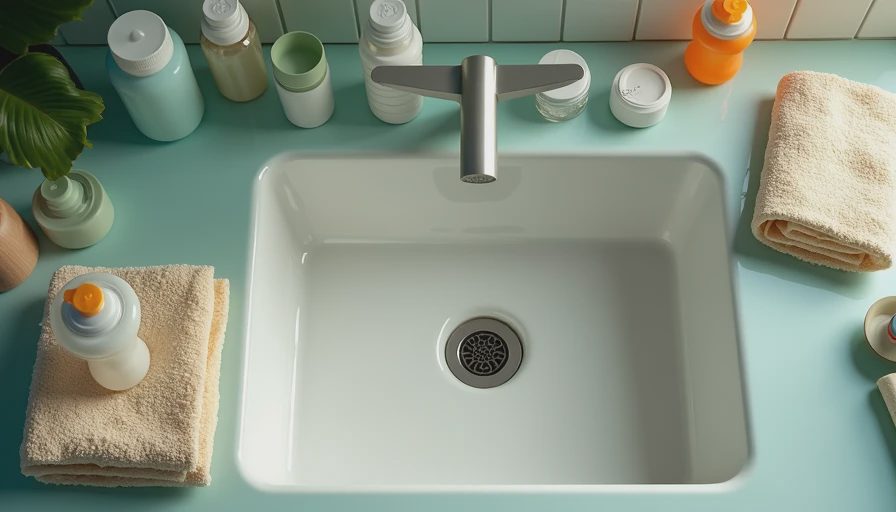
The features worth paying for
The best bottle washer and sterilizer usually earns its counter space through small practical details. A built-in drying cycle is one of them. Wet bottles can collect dust on a dish towel, and trapped water inside a nipple or valve is frustrating when you need the part immediately. Heated air or filtered airflow can help, although drying times vary by load and room temperature.
A detergent dispenser is another convenience, especially for overnight feeds. Check whether it accepts ordinary baby-safe dishwasher detergent or requires proprietary tablets. Replacement filters, baskets, gaskets, and cleaning cartridges can change the real cost. A machine priced around $200 to $300 may become less appealing if its consumables are expensive or difficult to find.
Noise matters in an open kitchen or small apartment. So does the lid design. A wide-opening top is easier to load than a narrow compartment, particularly when you are holding a baby. Clear cycle indicators, a delayed start, and a simple refill alert are more valuable than a phone app for most families. A smart feature is only useful if it saves a step.
How popular types compare
Countertop bottle washers, including models such as the Baby Brezza Bottle Washer Pro, are designed for families who want washing, sterilizing, and drying in one footprint. They can be convenient for frequent bottle use, but they need regular tank and filter maintenance. Their tall shape also deserves a quick measurement before purchase, especially under low cabinets.
The Papablic Baby Bottle Washer and Sterilizer is an example of the all-in-one category that appeals to parents who want a dedicated feeding-gear appliance. Other families prefer a compact electric steam sterilizer, such as the Philips Avent Advanced Electric Steam Sterilizer, paired with a separate hand-washing brush. That setup usually costs less and takes fewer specialized parts, though it does not remove the washing step.
At the budget end, a dishwasher basket plus a countertop steam sterilizer can be a sensible arrangement. It may cost roughly $50 to $150 depending on what you already own. The trade-off is transferring parts between appliances and waiting for a dishwasher load. For a parent washing bottles only once daily, that may be perfectly manageable. For someone pumping at work or feeding twins, automation can justify a higher price.
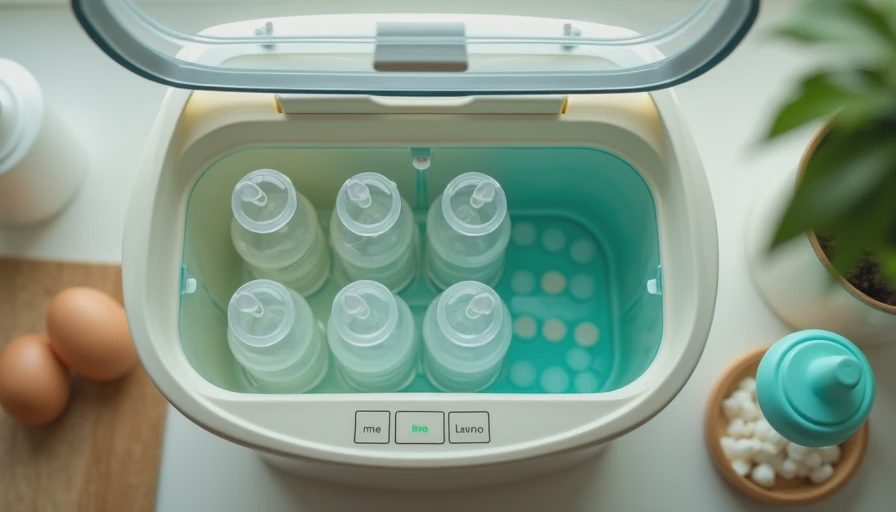
A simple buying test before checkout
Measure the space first, including the height needed to open the lid. Then count the feeding pieces from one normal day, not from the product photograph. If your baby uses five bottles, each with a collar, nipple, cap, and valve, you may be loading twenty separate pieces before adding pump parts. The best bottle washer and sterilizer should handle that actual count without stacking pieces where spray cannot reach.
Next, check the cleaning instructions. Can you remove the spray arm? Is the water tank accessible? Does the manufacturer explain how to descale the heating plate? Hard-water buildup can reduce performance and leave chalky residue, so a removable tank and clear maintenance directions are worth more than a glossy display.
Finally, read the warranty and return terms. Baby gear sometimes looks manageable on a retailer shelf but feels bulky beside a coffee maker. Buy from a seller with a clear return process, keep the packaging until you have completed several cycles, and test your most annoying pieces first: anti-colic valves, pump membranes, narrow-neck bottles, and silicone straws.
My practical shortlist by household
For the parent who wants the least hand work, the best bottle washer and sterilizer is usually a full-size countertop model with washing, steam, and drying in one cycle. Expect to spend about $250 to $350, then budget time for daily rinsing and weekly cleaning. This makes the most sense when bottles and pump parts are used throughout the day.
For a smaller kitchen, a compact steam sterilizer paired with a good bottle brush may be the calmer choice. It takes more hands-on effort but often fits under a cabinet and costs less. A dishwasher-safe basket is useful for families already running the dishwasher every evening.
For occasional bottle use, do not feel pressured into an appliance that handles a dozen bottles. A basin reserved for feeding items, a soft brush, and a steam unit can cover the basics. The best bottle washer and sterilizer is not automatically the biggest one; it is the setup you will clean, refill, and use consistently.
Keeping the machine clean
An appliance that washes bottles still needs care. Empty standing water after the day’s cycles, wipe the door seal, and remove stray milk residue from the basket. Follow the manual for descaling frequency, particularly if your tap water leaves deposits on faucets or showerheads. Do not mix cleaning chemicals unless the instructions specifically say to do so.
Once a week, inspect small channels and spray openings with a soft brush. Leave removable parts open to dry. If an odor develops, stop and identify whether it comes from the filter, waste tank, or a trapped silicone piece instead of masking it with fragrance. The machine handles feeding gear; it should not become another hidden source of buildup.
Would I buy the best bottle washer and sterilizer again? Maybe, but only after measuring the kitchen and counting the real daily load. For frequent bottle or pumping routines, the time savings can be meaningful. For occasional use, a simpler sterilizer and careful hand washing may offer the better value. Buy for your actual sink, not your most exhausted 2 a.m. imagination.



Travellers Write
No letters yet — be the first traveller to write.