The first time I tried to shop girls dress styles for Ella, I chose a pretty cotton dress with a stiff collar, a narrow waist, and a skirt that looked lovely in the photograph. She wore it for exactly twelve minutes. Then she complained about the collar, spilled yogurt down the front, and changed into leggings. That small failure taught me a useful lesson: a children's dress has to work at breakfast, on the playground, and in the washing machine before it deserves space in the closet.
When you shop girls dress options, start with the child's actual day rather than the occasion pictured online. A dress for preschool needs different details from one for a family wedding. The best choice is comfortable, washable, easy to layer, and simple enough to wear with shoes already by the door.
Start With the Job the Dress Must Do
Before you shop girls dress collections, name the job. Is this a school dress, a summer play dress, a holiday outfit, or a backup for family photos? One versatile jersey dress can cover school, errands, and casual parties. A dress with velvet, tulle, or delicate embroidery is more specialized and usually gets fewer wears.
For everyday use, I look for a relaxed shape, shoulder straps or sleeves that stay in place, and enough room through the chest and waist for sitting on the floor. A gently gathered skirt gives movement without adding a layer of scratchy netting. Pockets are useful, but only if they are sewn securely and do not pull the side seams downward.
Size for movement, not for a future imaginary child. Extra length can be practical, especially with leggings underneath, but a shoulder that slips or an armhole that gaps will make the dress frustrating now. If the size chart sits between two sizes, compare the garment measurements with a dress your child already likes.
Fabric Matters More Than the Photograph
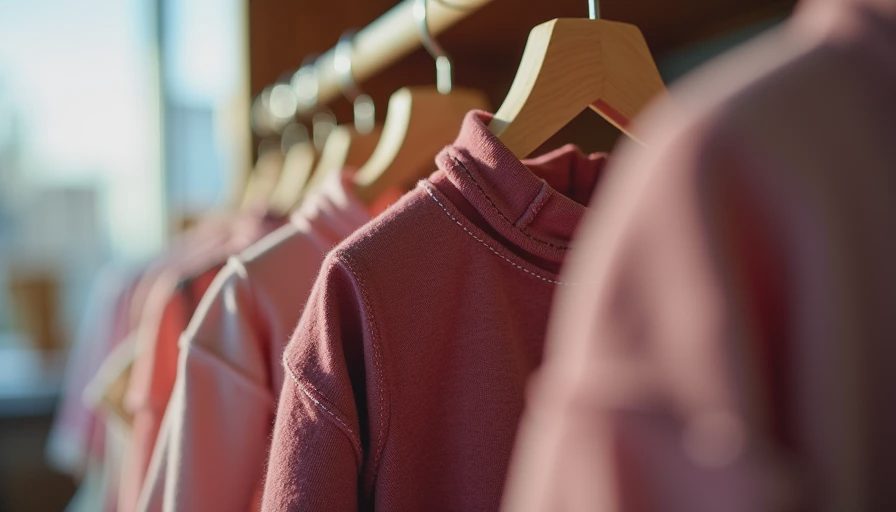
Cotton jersey is often the easiest starting point because it stretches, feels familiar, and usually handles frequent washing well. Look for a medium-weight knit rather than a very thin fabric that twists after laundering. Rib knit has more stretch but can lose its shape when the garment is heavily pulled.
Woven cotton, linen blends, and chambray feel cooler and look a little more polished. They do not stretch much, so a back button, elastic panel, or roomy cut matters. Linen wrinkles quickly; that is not a defect, but it does mean the dress may look rumpled after a car-seat ride. Cotton-polyester blends can resist wrinkles and dry faster, though they may feel warmer in direct summer sun.
For sensitive children, fabric texture is only half the story. Check the inside seams, neck binding, waist elastic, and any decorative label. A soft outer fabric cannot rescue a scratchy seam. If possible, wash the dress before removing tags so you can see whether it shrinks, pills, or changes shape.
A Simple Wash-Test Plan
My home test is not scientific, but it is consistent. I photograph a new garment, record its price, wash it according to the care label, and inspect the neckline, side seams, hem, and printed design. After several washes, I check whether the fabric still lies flat and whether stains release without heroic scrubbing.
A $15 jersey dress that survives twenty ordinary washes can be a better buy than a $35 dress that needs special care after every wear. I also note drying time. A dress that takes two days to air-dry is less useful in a rainy Portland week than one that is ready by morning.
Three Price Points That Make Sense
When you shop girls dress pieces, a practical budget often includes three levels. Around $15 to $25, look for simple cotton jersey, rib knit, or cotton-polyester styles from major retailers. These are good choices for daycare, messy meals, and fast growth. Keep expectations realistic: printed graphics may fade and lighter colors can show food stains.
Around $30 to $55, you can often find better finishing, denser fabric, lined skirts, or more thoughtful details such as adjustable straps. This range makes sense for a dress expected to handle weekly wear or pass to a younger sibling. Examine the care instructions before paying more; a higher price does not automatically mean stronger construction.
At $60 and above, choose selectively. A well-made occasion dress, wool-blend pinafore, or sturdy linen style can earn its place when it will be worn repeatedly across holidays and photographs. I would not spend that amount on a trend that fits one season unless the family has a clear plan for using it.
Build Outfits Around What You Own
A good dress should not require an entirely new outfit. For cooler months, try a jersey dress over leggings with a cardigan or denim jacket. Tights work for more formal settings, while bike shorts underneath help a child climb, spin, and sit comfortably. In summer, sandals or canvas sneakers can change the feel without adding another special item.
Color helps with repeat wear. Navy, olive, denim blue, rust, cream, and soft gray often work with existing sweaters and shoes. A bright print can be fun, but check whether at least two layers already coordinate with it. When I shop girls dress items, I imagine three outfits before buying: one for school, one for play, and one for a slightly dressier day.
Details Worth Inspecting Before Checkout
Turn the garment inside out on the product page if photos allow it. Look for reinforced shoulder seams, a hem with even stitching, and elastic that is enclosed rather than exposed against the skin. For button styles, check that buttons are securely attached and large enough for an adult to manage quickly during a rushed morning.
Avoid complicated closures for children who dress independently. A back zipper may look polished, but a soft elastic neckline can be much more successful for a five-year-old heading to the bathroom alone. Decorative bows should be attached firmly, and long ties deserve extra caution around active play. These details are not about making a dress less attractive; they are about making it usable.
Read reviews for repeated patterns, not one-off opinions. Several people mentioning short sleeves, thin fabric, or a tight neck is useful information. A single complaint about color is less meaningful because screens display colors differently.
Julia Test Log: What Earns a Repeat Purchase
For our family, a repeat-worthy dress has survived a normal wash, dried without drama, and been chosen by the child at least three times. Ella's best school dresses are not the fanciest ones. They are soft jersey styles with roomy armholes, a print that hides small stains, and hems that do not drag under her backpack.
Maya prefers dresses she can pull over her head, so buttons rarely earn their keep. Jack's hand-me-downs have also taught me that sturdier fabric matters more than a perfect first impression. A tiny amount of fading is acceptable; twisting seams, pilling across the stomach, and shrinking sleeves are not.
When you shop girls dress options for a younger sibling, think about the exit plan. Can it be worn with leggings after the weather changes? Will the color suit another child? Is the fabric durable enough for another round of washing? Those questions turn a cute purchase into a useful one.
My Final Buying Checklist
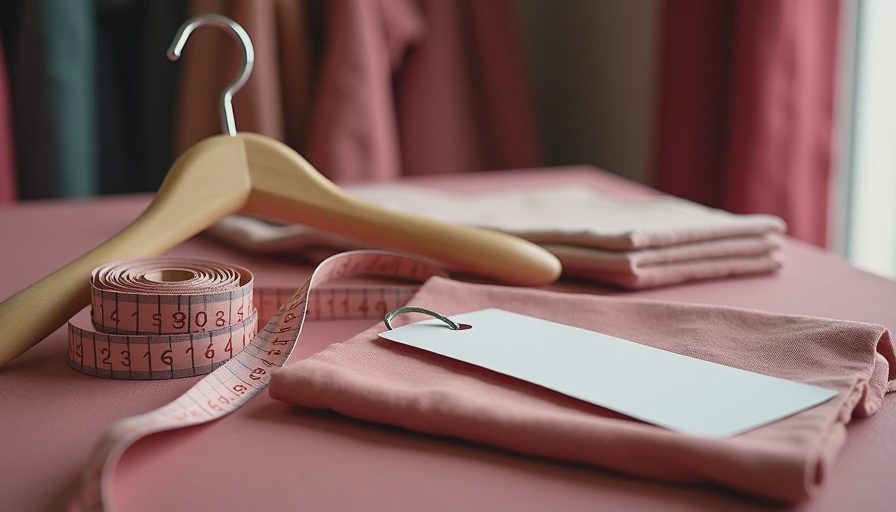
Before ordering, confirm the size chart, fabric content, care instructions, and return policy. Measure a favorite dress from shoulder to hem and compare that number with the listing. Check whether the skirt is lined, whether the waist has stretch, and whether the child can put it on without help. Then picture the first real day: a sandwich, a car seat, a wet sidewalk, and a load of laundry.
If the dress passes that test, it is probably worth considering. If it only works with special shoes, perfect hair, and careful eating, it belongs in a smaller occasion wardrobe. The goal is not a closet full of impressive outfits. It is a short rail of dresses that children reach for because they feel good and parents can wash them without worry.
Would I shop girls dress styles this way again? Yes. I would buy fewer, choose washable fabrics, and spend more only when the construction earns it. A dress that is worn often, handed down, and remembered fondly has done its job far better than one that looked perfect online and stayed on the hanger.

Travellers Write
No letters yet — be the first traveller to write.