Youth Shirt Size Chart: The Parent's Guide to a Perfect Fit
Every parent knows the frustration of buying a shirt that looks right on the hanger but fits wrong the first time your kid tries it on. The youth shirt size chart on a brand's website should be your best friend, but it often feels like a guessing game. I've been sizing three kids for six years, and I've learned that the chart is just a starting point. Here's how to use it without losing your mind.
How to Measure Your Child for a Shirt
Before you look at any chart, get a baseline. Grab a soft tape measure and a t-shirt your child already wears comfortably. Lay the tee flat on a table and measure from side seam to side seam, about one inch below the sleeve. That number is the half-chest. Double it to get the full chest circumference, which is what most size charts use. Then measure from the highest point of the shoulder down to the bottom hem for the length. Write those numbers on your phone. If you can find a shirt with a similar fit, you can compare measurements instead of relying on age.
When you shop online, look for a listing that includes those two measurements: chest width and length. If a brand only gives age range and height, you're flying blind. Some sites include a helpful "model is wearing size X" note, which can give you a sense of the cut. But nothing beats taking a shirt out of your own kid's drawer and measuring it.
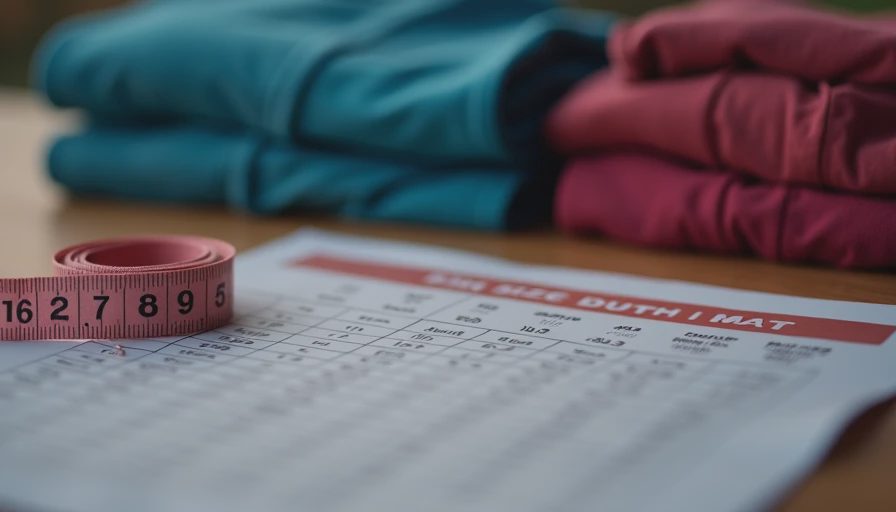
How to Read a Youth Shirt Size Chart
Most youth shirt size chart tables group kids by age, and that's the easiest way to get it wrong. Age is a very rough proxy for body size. Two six-year-olds can be two full sizes apart. The better charts list height, weight, chest circumference, and shirt length. For example, a typical size 6-7 might fit a chest of 26 inches and a length of 20 inches. A size 10-12 might have a chest of 30 inches and a length of 24 inches. Those numbers vary a lot by brand, so always check the specific chart before you order.
If you're buying a shirt for a child between sizes, go with the larger size. Cotton shirts shrink, and kids grow faster than you expect. A slightly roomier shirt will also survive a growth spurt mid-school-year.
Why the Chart Might Lead You Astray
The youth shirt size chart you find on one site can be a full size off from another. That's because brands use different fit models and pattern blocks. A shirt from a budget store might run small, while a premium brand often runs generous. Fabric matters too. A 100% cotton tee can shrink an inch in both directions after a hot wash, while a cotton-poly blend holds its shape better. I've also noticed that shirts labeled "unisex" tend to fit boxier, while "girls" cuts are narrower in the shoulders and waist.
That's why measuring a current shirt is so valuable. If the brand you're eyeing has a size guide with chest dimensions, compare those to your own numbers. Don't just order a size 8 because your child wore an 8 last spring.
How to Size Up for Growth Spurts
Kids grow in bursts. A shirt that fits in September can feel tight by December. The trick is to buy for the next season, not the current one. If you're buying a long-sleeve shirt for February, and your child is between 6 and 7, grab the 7. You'll get a full season out of it.

If you're buying a summer tee, consider getting the 8 so it still fits by August. But there's a limit. Sizing up more than one size makes the sleeves too long and the shoulders droop. That's not comfortable. Look for knits with a little bit of spandex or a looser cut that gives you a few extra months of wear. For school uniform shirts, it's worth buying a size up in the collar and taking up the hem if needed, but that's a bigger project for another post.
Quick Fit Tricks That Save Money
Here are a few things I do every time I shop for shirts. Check the shoulder seam. It should sit at the edge of the child's shoulder, not halfway down the arm. Look at the sleeve length. The cuff should land around the middle of the bicep, not at the wrist unless it's a long-sleeve. Pinch the fabric at the chest. You want a little extra room for movement, not a tight drum. Read the care tag before you buy. A shirt that says "machine wash cold, tumble dry low" will last longer than one that needs special handling. Shrinkage is the number one way a good fit goes bad.
The Julia Test Log: What I Learned Sizing My Own Kids
When my oldest daughter, Ella, was 6, I bought her a stack of size 7 shirts because the chart said that was next. Half of them fit fine, and half were so big she refused to wear them. That's when I started measuring. My son Jack, now 5, is stockier than Ella was at the same age, so he needs a size 7 in most brands even though the age chart says 6. My youngest, Maya, wears a 3T in leggings but a 4 in shirts because her torso is long. Every kid is different.
So yes, a youth shirt size chart is helpful, but it's only a starting point. Measure your child, measure their favorite shirt, and compare apples to apples. If you do that, you'll buy fewer duds and keep more money in your pocket.



Travellers Write
No letters yet — be the first traveller to write.