Last December I bought a sparkly top that looked perfect on the hanger and felt terrible by the third wear. The neckline twisted after one wash, the glitter scratched the back of Maya’s neck, and by the time school had its holiday singalong, she asked for a plain tee instead. That is the real test for christmas shirts in our house: will a kid choose it again after the first cute photo? If the answer is no, it is not really a win, no matter how festive it looks in the cart. I want shirts that work for a classroom party, a family dinner, and one more wash before the season is over.
Start with fabric, not the print
The first thing I look at is fabric weight. A soft cotton jersey tee usually feels better against sensitive skin than a scratchy polyester blend, and rib knit has more give when a child wants to breathe, bend, and eat frosting without feeling trapped. If the shirt has appliqué or embroidery, I check the inside for a backing that does not feel like sandpaper. For christmas shirts, a tagless neck, smooth seams, and a little stretch at the collar matter more than a clever slogan. I also like tops that look fine after an hour in a car seat, because that is where many holiday plans begin.
A few fabrics are worth knowing. Cotton jersey is the easiest daily choice. French terry adds warmth without getting bulky under a sweater. A small amount of spandex can help a fitted top keep its shape, but it should not make the whole shirt feel slick. If a label says soft hand feel, I still want to know what the fiber content is before I buy. In my wash-score spreadsheet, the pieces that keep getting worn are rarely the fanciest ones. They are the ones that come out of the dryer soft, not stiff.
When I am deciding between two holiday tops, I ask one boring question: will this still be pleasant when a child is hot, tired, and sitting on the floor? That is usually where the weak fabrics give themselves away.
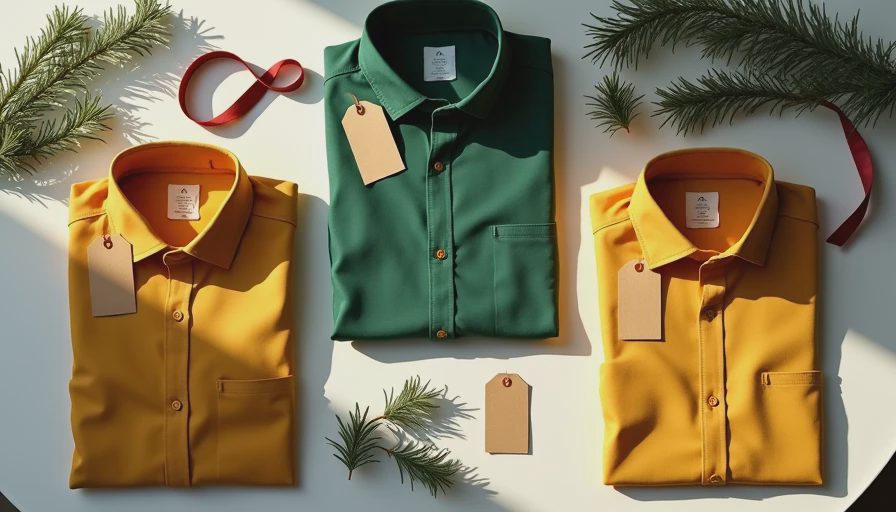
Fit matters when you want one top for siblings
I shop a little differently for the kind of kids who will wear the same shirt to a school concert, a cousin’s lunch, and another round of pancakes at home. The best christmas shirts are usually the ones that are simple enough to move from one setting to the next. A straight crew neck works for most bodies. A henley is nice if a child hates anything close to the throat. If a tee is meant to be tucked into a skirt or under overalls, I like extra length at the hem so it does not ride up every time someone climbs onto a bench.
Sizing up can help if you are trying to get one shirt through a whole month. That said, I would not buy two sizes too big just for room to grow. Oversized sleeves end up in soup, and photos are better when the shoulder seams land where they should. If you are shopping for siblings, a plain red, forest green, or cream shirt is easier to pass down than one with a year printed across the chest.
Budget wise, I usually see decent basics under $15, midrange options around $20 to $35, and dressier tops higher than that if the fabric is better. You do not need the most expensive rack to get something that looks pulled together. A basic tee from a mass retailer can be enough for school, while a thicker rib-knit top from a kids basics brand tends to look smoother after repeated washing. If you want more polish, a simple cardigan over a plain shirt often beats a busy print.
The best christmas shirts are the ones that still look intentional when the rest of the outfit is doing the heavy lifting. That is the whole trick: let the shirt do one job well, then let pants, shoes, or a sweater finish the outfit.
How to stretch them through December
The cheapest way to make holiday clothes feel useful is to buy fewer things and wear them harder. One special top plus one backup usually covers the month. Put the dressier shirt on for the school event, then keep the softer one for weekends and photo attempts in the kitchen. If a piece only works with one pair of pants, it is probably not pulling its weight.
Care matters too. I wash holiday prints inside out in cool water, then air dry the first time so I can see whether the color bleeds or the collar curls. If a shirt has screen printing, high heat can shorten its life. If it has a sewn-on patch, I check the edges after the first wash for fraying. A tiny thread snag is easy to clip; a cracked graphic is harder to ignore.
When I log these in my wash-score spreadsheet, the winners are rarely the flashy ones. They are the tops that still feel soft in January and can be handed down without looking tired. That is why I keep coming back to christmas shirts with simple construction and one clear idea. The loudest design is not always the most worn one. I would rather see a neat collar, a comfortable seam, and a print that can survive a trip through the laundry basket than a shirt that wins on the rack and loses at the sink.
What I would buy at three price points
If you want a quick shopping plan, I would think in three lanes. For the budget lane, look for basic cotton tees or long-sleeve tops in red, green, navy, or cream. A two-pack from a mass retailer often lands around $10 to $18 per shirt, and that is enough if you only need them for one week of events. For the midrange lane, brands that specialize in kids basics often give you thicker fabric, better seams, and colors that wash well in the $20 to $35 range. For the dressier lane, a pima cotton or appliqué top around $30 to $45 can be worth it when you know it will show up in photos or get passed down.
For christmas shirts, I would rather spend a little more on fabric than on extra glitter. If a shirt feels soft in the store, holds its shape after a wash, and does not make a child tug at the collar, that is usually money better spent than on a more elaborate front graphic. I would skip anything with stiff glitter all over the front unless your child has already said that is the only thing they will wear. A little sparkle can be fun. A full scratchy overlay rarely is.
If you want the outfit to feel special, add texture with a cardigan, corduroy pants, or a velvet bow instead of relying on the shirt to do all the work. That keeps the top flexible enough for school, family photos, and January if it has to keep earning its spot.
Julia Test Log: the pieces that made it through our house had one thing in common. They were soft, easy to wash, and not so themed that nobody wanted them later. Would I buy it again? Yes.


Travellers Write
No letters yet — be the first traveller to write.