Last fall, I bought boys dress shirts for my son Jack right before a school concert, and one of them came out of the wash with a puckered collar and tiny wrinkles that never really left. That is the kind of waste I try to avoid now. A good shirt should handle one formal afternoon, a snack spill, and a second life at church or a family photo without turning into laundry drama.
Fabric choices that survive real wear
For boys dress shirts, fabric matters more than the label sewn into the neck. Poplin is smooth and crisp, which makes it great for photos, but it wrinkles faster and can look tired after a long car ride. Oxford is a little heavier and more casual, so it hides wear better and usually feels less fussy. Twill sits in the middle with a softer drape and a smoother look than Oxford, which is why it often shows up in nicer school or holiday shirts.
I pay attention to fiber content too. 100% cotton usually breathes best, but it can shrink if the care tag says high heat. Cotton-poly blends dry faster and tend to wrinkle less, which helps on weeks when the laundry basket is already full. If a shirt is going to be worn only a few times a year, I care more about shape retention than romance around fabric purity. A $16 shirt that still looks neat after eight washes is a better buy than a $38 shirt that pills at the cuffs.
Fit is what makes a shirt look intentional
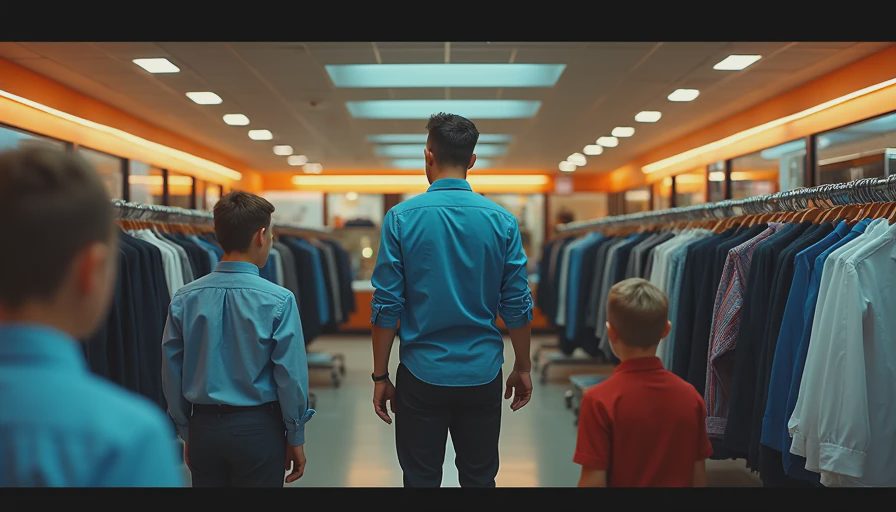
For boys dress shirts, fit is the part that separates a sharp outfit from a shirt that looks borrowed. The shoulder seam should land close to the edge of the shoulder, not halfway down the arm. The collar should close without leaving a gap, but it should not choke a kid who hates stiff necklines. Sleeves can be a touch long if the cuff still lands near the wrist bone, because a shirt that is too short looks outgrown fast.
I also look at the body shape. A regular cut works well for most kids because it leaves room for lunch, running, and sitting through a long assembly. Slim cuts can look clean in photos, but they are less forgiving if a child likes to move. If your child is between sizes, I usually choose the size that fits the neck and shoulders first, then hem or cuff the sleeves if needed. That is cheaper than buying a shirt that looks polished on the hanger and awkward on a real child.
Where I’d shop at three price points
When I shop for boys dress shirts, I think in layers: budget, mid-range, and special-occasion. At the budget end, Target Cat & Jack and Old Navy often land around $12 to $20, which is fair if the shirt will be worn a handful of times. In the middle, Lands’ End, Gap, and J.Crew Factory often sit around $25 to $45 and usually give you better stitching, cleaner collars, and fewer weird fit issues. At the higher end, Hanna Andersson and Ralph Lauren can run $40 to $60 or more, and you are paying for nicer fabric hand, steadier sizing, and a dressier finish.
My rule is simple: spend more only when the shirt needs to look good in photos, be handed down, or survive multiple events. If it is a one-time school performance, the cheaper option is usually enough. If it needs to last through a wedding, a recital, and then a younger sibling, I spend a little more.
Laundry habits that keep the shirt in rotation
The easiest way to keep boys dress shirts from aging too fast is to treat them gently on wash day. I button the top button, turn the shirt inside out if the fabric is dark, and wash on cold with the rest of the family laundry. For collars and cuffs, a simple stain stick or a dab of liquid detergent before the wash works better than waiting and hoping the machine solves it later. Spaghetti sauce, marker, and grass stains all need a little head start.
I hang dress shirts to dry whenever I can. That cuts down on shrinkage and helps the collar keep its shape. If I use the dryer, I choose low heat and pull the shirt out while it is still slightly damp, then smooth the seams by hand. Dry cleaning is rarely necessary for a kid’s cotton shirt unless the care tag says otherwise. For everyday life, the goal is not perfection. It is getting the shirt back into service without turning laundry into a second job.
Hand-me-down strategy for siblings and growth spurts
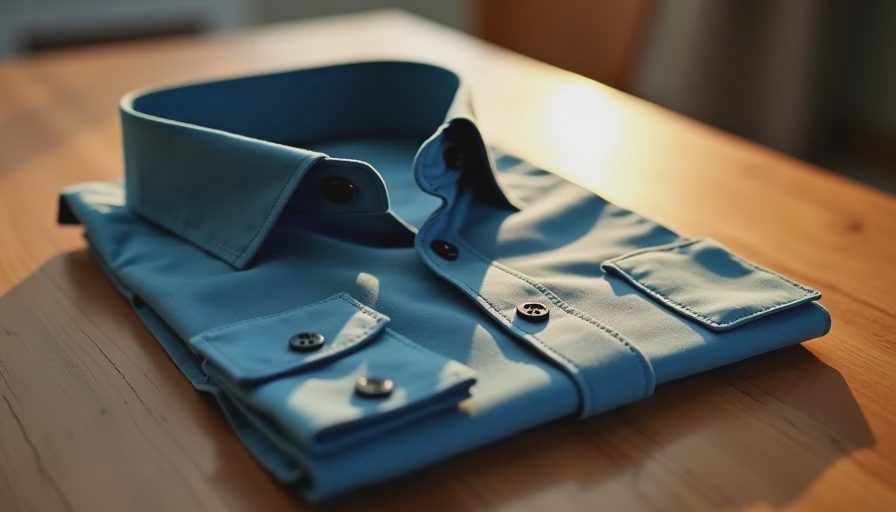
Boys dress shirts make the most sense when you buy with the next child in mind. I save neutral colors like white, light blue, pale gray, and small checks because they work for portraits, holidays, and school events without looking dated. Loud novelty prints are fun for one season and then harder to pass along. A shirt with a plain collar and standard cuffs is easier to hand down than one with trendy contrast trim or an odd skinny fit.
If you have more than one child, keep the better shirts in a labeled bin after the first child outgrows them. I wash, button, and fold them right away so they are ready for the next round instead of getting wrinkled in the back of a closet. Secondhand shops and local resale groups are also worth checking for this category, because dress shirts are often worn far less than T-shirts. That is one place where buying fewer, better pieces really does stretch the budget.
The best shirt for each occasion
For a school concert or holiday photo, choose a shirt with a clean collar, a smooth weave, and enough structure to hold its shape under a sweater. For weddings or church, a lighter twill or crisp poplin looks polished without being stiff. For an everyday family dinner, an Oxford shirt is usually the most forgiving because it feels less precious and hides small creases.
If I had to keep only two options in the closet, I would choose one light blue shirt and one white shirt in a fabric that can handle repeated washing. That covers almost every event a kid is likely to face in a year. Boys dress shirts do not need to be a huge category. They need to fit well, wash well, and not make you regret opening the laundry basket.
Would I buy them again? Yes, but only in fabrics and fits that can survive real family life. If you are building a small, useful wardrobe, that is the sweet spot.


Travellers Write
No letters yet — be the first traveller to write.