The first bodysuit for newborn I bought looked perfect on the hanger and turned into a tiny wrestling match at 2 a.m. The neck stretched out, the snaps lined up badly, and the fabric felt thin after two washes. That was my wake-up call: a bodysuit for newborn has to do more than look cute in a photo. It needs to open easily, stay soft after laundry, and make diaper changes less annoying when everyone is tired. In our house, the keepers are the ones that disappear into the routine and never ask for attention. That is the standard I use when I shop now.
Fit comes before anything pretty
A good fit matters more than prints, ruffles, or matching hats. For a baby in the first weeks, the shoulder opening should stretch without feeling floppy, the torso should have enough length to button without tugging, and the leg openings should sit flat without digging into the thighs. If the snaps pull across the diaper, size up sooner rather than later. A snug garment is fine; a strained one is not. I also pay attention to the neckline. Envelope shoulders are helpful because they slip down over the body instead of forcing a shirt over a sleepy baby’s head. That small detail saves time when a diaper has already leaked onto the changing pad.
If your baby is on the larger side at birth, a true newborn size may barely get worn. For many families, 0 to 3 months is the smarter starting point, with a few smaller pieces only if you expect a petite baby or a NICU stay. I keep one stack of each size, not a whole drawer of either, because growth can happen fast and hand-me-downs move through the house quicker than I expect.
Fabric is where the comfort shows up
The best bodysuit for newborn use is usually made from cotton jersey or cotton rib knit. Jersey feels smooth and light, while rib has a little more stretch and tends to hug the body without feeling stiff. If you want something soft out of the package, look for long-staple cotton or a well-finished combed cotton. Organic cotton is fine if it fits the budget, but the word organic does not automatically mean softer or stronger. The construction matters just as much.
I am cautious with very thin bamboo viscose pieces for the first month. They can feel silky, but some lose shape faster than I like, especially after repeated washing and drying. A small amount of spandex can help recovery, which is useful around the shoulders and crotch snaps. The trick is balance: too much stretch and the garment gets wavy, too little and it fights you every time you dress the baby.
My practical price range is usually $8 to $12 for basic multipacks, $15 to $25 for a nicer single or two-pack, and $28 to $35 when I want a premium feel or a brand I already trust. Carter's, Cloud Island at Target, Burt's Bees Baby, and Hanna Andersson all sit in different spots on that ladder, which is helpful when you are comparing budgets instead of chasing one perfect label.

Snaps, seams, and diaper changes
Hardware is not glamorous, but it decides how pleasant midnight changes feel. I want snaps that close cleanly with one hand and do not pop open when I lift a squirmy baby. Plastic snaps are common and usually fine; the bigger question is placement. If the lower snaps are too close together, the crotch can bunch. If they are too far apart, you end up with gaps that make the bodysuit ride up.
Flat seams matter too. A rough seam at the shoulder or side can rub on soft skin, especially if the baby spends a lot of time in a car seat or wrapped in a blanket. The same goes for tags. I prefer printed labels or tags that tear out easily. It sounds minor until you have changed the same outfit four times in one day because of spit-up. The easiest clothes are the ones you forget about, and that is exactly what you want from a daily layer.
In my wash notes, the best bodysuit for newborn wear usually keeps its shape after 20 to 30 washes if I wash cold and dry on low. That is not forever, but it is enough to feel worth the money. A piece that twists, pills, or gets baggy in the neckline after a few cycles is a pass, even if the print is adorable.
How many to buy without overdoing it
A lot of first-time parents buy too many tiny clothes and then discover the baby outgrows them before half the drawer gets used. A tighter plan works better. If laundry happens every other day, six to eight pieces in the smallest size is usually plenty. If you have a strong hand-me-down stash, you may need even fewer. I like a mix of solids and one or two easy prints, because solids mix better with sleepers, leggings, and swaddle blankets.
For families who want to spend less, the simplest approach is to buy a cheaper pack for the messy first weeks and one nicer piece for photos or outings. That gives you a real comparison without committing to a whole wardrobe. For families who want less frustration, choose the version that opens the easiest rather than the one that looks most polished online. A baby does not care about style points, but a parent changing diapers at 3 a.m. definitely does.
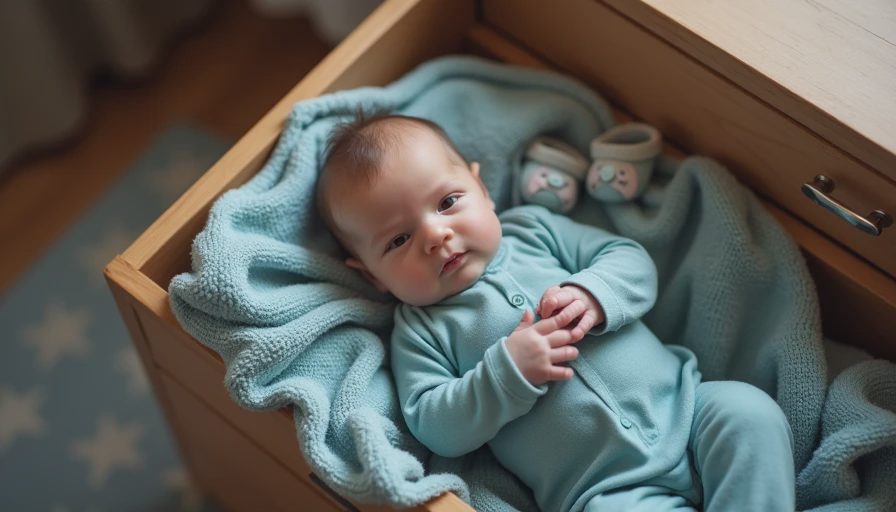
Julia Test Log: what held up in real life
My notebook keeps showing the same pattern: the bodysuit for newborn pieces that survive in our house are boring in the best way. The ones that last have enough stretch to dress quickly, enough recovery to hold their shape, and enough thickness to feel substantial after repeated drying. The failures usually come from one of three things: thin fabric that looks great once and weak after that, snaps that are awkwardly placed, or neck openings that stretch out and never bounce back.
I have also learned to stop assuming that a higher price guarantees better wear. A $10 multipack can outperform a fancier single if the fabric and seam construction are solid. On the other hand, a smoother premium piece can be worth it if you are washing less often and want something that feels a little nicer against skin. That is why I keep a wash-score spreadsheet. It is not about chasing the most expensive option. It is about finding the piece that does its job without becoming another laundry problem.
A simple buying plan for the first drawer
If you want a calm, practical starting point, buy a small batch in one size, test the fabric against your own laundry habits, and wait before buying more. Start with a few soft basics, then add only if the baby is actually wearing them often. That is how you avoid drawers full of clothes that were supposed to be useful but never left the stack.
For a registry or a gift list, I would ask for a mix: one budget pack, one midrange set, and one nicer piece. That gives you options without turning shopping into a research project. If you only buy one style, make it a bodysuit for newborn in soft cotton with easy snaps and a neckline that does not fight you. Would I buy it again? Yes, but only if it earns its place in the laundry rotation and makes daily dressing feel simpler, not fancier.


Travellers Write
No letters yet — be the first traveller to write.