The first pair of kids jeans I bought for Ella looked perfect on the website: dark denim, neat stitching, and a tiny adjustable waist. After one playground afternoon, the knees were gray, the button was fighting for its life, and Ella announced that sitting down felt like wearing cardboard. That was my introduction to shopping for kids jeans as a parent instead of as someone admiring a tidy product photo.
A good pair should handle crouching, climbing, school lunches, and at least a few ordinary spills. It should also be easy enough for a child to pull on without a morning negotiation. I now look at fabric weight, waistband design, seams, and washing instructions before I look at color. Those details tell you much more about whether a pair will earn a place in the weekly rotation.
Start with the right denim fabric
Most denim is cotton woven in a sturdy twill pattern, which is why it holds up better than many plain-woven fabrics. A small amount of elastane, often around 1 to 3 percent, adds stretch. That little bit matters for a child who spends recess squatting in a sandbox or sitting cross-legged on a classroom rug. Jeans made with no stretch can feel durable but often become the pair that stays folded because nobody wants to wear them.
For everyday kids jeans, I usually prefer a medium-weight denim with a little elastane. Very thin denim feels soft in the store but can show wear quickly at the knees. Very heavy denim may last longer but can feel stiff, especially on toddlers. A soft finish is pleasant, though it can sometimes come from extra processing that makes the fabric less rugged after repeated washing. The useful middle ground is denim that bends easily but does not feel flimsy when you pinch it.
The label "cotton blend" is not automatically a problem. Polyester can add abrasion resistance and help fabric dry faster, while cotton usually provides the familiar feel. Read the percentage rather than treating one fiber name as a complete quality grade. A well-constructed blend can outperform a 100 percent cotton pair with weak seams.
Fit matters more than the size number
Children's sizing is inconsistent enough that I treat the printed size as a starting point, not a measurement. Jack can wear one brand's 5T and another brand's size 6, while both fit him through the waist. Measure the child's waist and inseam when possible, then compare those numbers with the store's chart. For online purchases, this simple step prevents many return shipments.
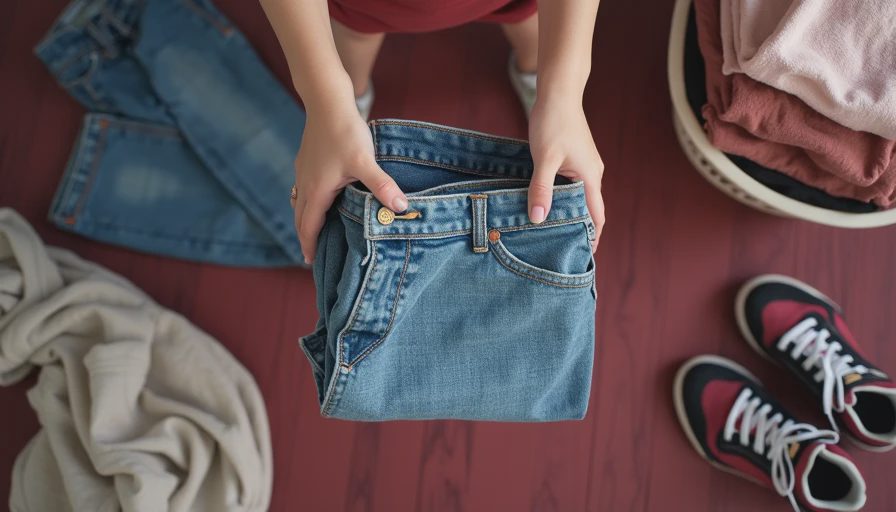
Look for an adjustable elastic waist on preschool and early elementary styles. The best versions have buttonholes inside the waistband and elastic that adjusts without bunching. A flat front can look polished, but it is less forgiving after a big snack or an unexpected growth spurt. For younger children, pull-on kids jeans are often more useful than a traditional zipper and button. They encourage independence and remove one more source of morning frustration.
Check the rise by having your child bend and sit. If the waistband slides down or the front pulls tightly across the hips, the fit is wrong even if the legs look good. Skinny cuts can work for a narrow child, but straight and slim-straight cuts usually leave more room for movement. Wide-leg styles are comfortable and fashionable, though they may drag in puddles or catch on bike pedals.
The details that predict a longer life
Turn the garment inside out and inspect the stress points. Belt loops should be securely stitched, pocket openings should lie flat, and the crotch seam should have tidy, close stitching. Reinforced knees are useful for children who crawl, slide, or spend every outdoor break on the ground. They are not essential for every child, but they can extend the practical life of a pair that would otherwise be retired for a hole.
I also check the zipper and snap before buying. A stiff zipper is not likely to become a favorite, and a tiny metal snap can be difficult for small fingers. Some kids jeans use a hook-and-bar closure, which is convenient for older children but less manageable for a newly independent dresser. If your child still needs help in the bathroom, a pull-on style can be worth choosing even when a buttoned pair looks more grown-up.
Price gives you a rough range, not a guarantee. A $12 to $18 pair from a mass-market store can be a sensible playground option. Around $25 to $40, you may find softer denim, better adjustability, or more consistent stitching. Premium pairs at $50 or more can be worthwhile for a child who wears denim constantly, but they are not automatically better. I would rather own three comfortable $20 pairs than one expensive pair that spends the week in a drawer.
Washing kids jeans without wearing them out
Wash denim only when it needs washing, not automatically after every short wear. For a child who wore a pair to school but did not spill anything, airing it out overnight is often enough. When washing is necessary, turn the jeans inside out, use cool or warm water, and choose a mild detergent. Cold water helps limit fading, while warm water can be useful for ordinary food and playground grime.
Avoid relying on high heat in the dryer. Heat can shrink cotton, weaken elastic, and make stretch denim lose its comfortable recovery. I usually tumble-dry briefly and hang the jeans while they are still slightly damp. If you prefer a completely dry cycle, use low heat and remove the pair promptly. Do not expect dark denim to remain dark forever; fading at the knees and seat is normal evidence of actual use.
A small stain does not always require a harsh product. Blot wet food, rinse from the back of the fabric, and use a little liquid detergent on the spot before washing. For grass marks, patience and a second wash often work better than scrubbing hard enough to roughen the fibers.
Building a small, useful rotation
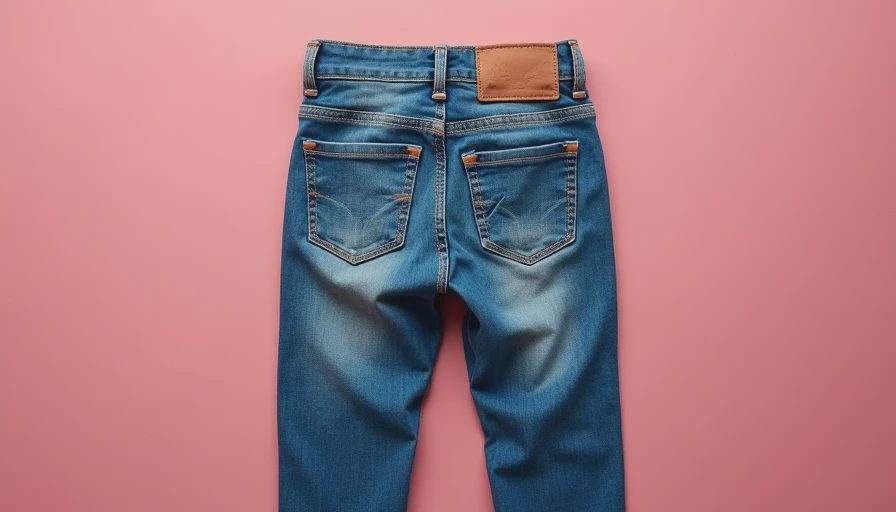
A child who wears denim several times a week usually needs two or three pairs in the current size, not a drawer full. I like one dark pair for school photos, family dinners, and days when a slightly neater outfit helps; one medium or light pair for everyday wear; and one soft pull-on pair for younger children or long car rides. A black pair can fill the dark slot, but it may show lint more clearly than blue denim.
Buy for the next realistic season, not for an imaginary future child. If the waist fits today but the legs are already short, the garment has probably passed its useful window. If the legs have room but the waist is loose, adjustable tabs can buy time. Cuffing works temporarily, but excessive extra length can catch under shoes and create a tripping nuisance.
For hand-me-downs, record what failed. In my wash-score spreadsheet, I note the purchase price, approximate washes, and exit reason. A pair that leaves the rotation because Ella outgrew it is a strong candidate for Maya. A pair with a stretched waistband or rough inside seam should not be passed along simply because it still looks presentable.
Julia Test Log: what I would buy again
After testing different cuts across three children, my most reliable formula is medium-weight stretch denim, a soft waistband, an adjustable interior, and a straight or slim-straight leg. I would spend about $18 to $30 for everyday kids jeans and reserve higher-priced denim for a particularly good fit or a durable knee design. At a lower price, I would inspect the seams in person and buy only one pair first. At a higher price, I would expect noticeably better comfort or construction rather than just a fashionable label.
My verdict is yes, but selectively. Kids jeans earn their place when a child can move freely, dress with reasonable independence, and wear the pair through a full season of ordinary mess. Choose the fabric and fit first, buy fewer pairs, and let real wear—not a perfect catalog photo—tell you whether the purchase worked.
Travellers Write
No letters yet — be the first traveller to write.