The first pair of boys khaki pants I bought for Jack looked perfect on the hanger: neat front pockets, a warm tan color, and a price low enough to add two sizes to the cart. By the second wash, the knees looked tired and the waistband twisted. That experience changed how I shop for boys khaki pants. A child needs room to sit on the floor, climb playground equipment, spill applesauce, and grow several inches without turning every outfit into a negotiation.
The good news is that a useful pair does not have to cost $50. The right fabric, waistband, cut, and care label matter more than a polished product photo. Here is what I look for when choosing everyday trousers for preschoolers through tweens.
Start with the fabric, not the color
Most boys khaki pants are made from cotton twill, a woven fabric with diagonal ribs that give it more structure than jersey knit. Cotton twill feels substantial without being stiff, and it usually handles school-day wear better than a very thin chino fabric. A little elastane, often between 1 and 3 percent, adds stretch for kneeling and running. It also helps prevent the waistband from feeling restrictive after lunch.
For younger children, I prefer a cotton blend with visible flexibility at the knees. For older kids who need a more uniform-looking outfit, a firmer twill can look sharper and resist wrinkles. Polyester blends often dry quickly and hold color, but they can feel warmer and less breathable. If your child is sensitive to scratchy fabric, turn the pants inside out and run your hand over the seams, pocket bags, and waistband before washing them.
Price gives you a useful starting point, not a guarantee. Around $12 to $20, you can find practical school pants with acceptable fabric and adjustable waists. The $20 to $35 range often offers better stitching, smoother elastic, or a softer finish. I would rather buy one $24 pair that gets worn twice a week than three inexpensive pairs that sit untouched because the fabric feels rigid.
Choose a fit that allows actual childhood
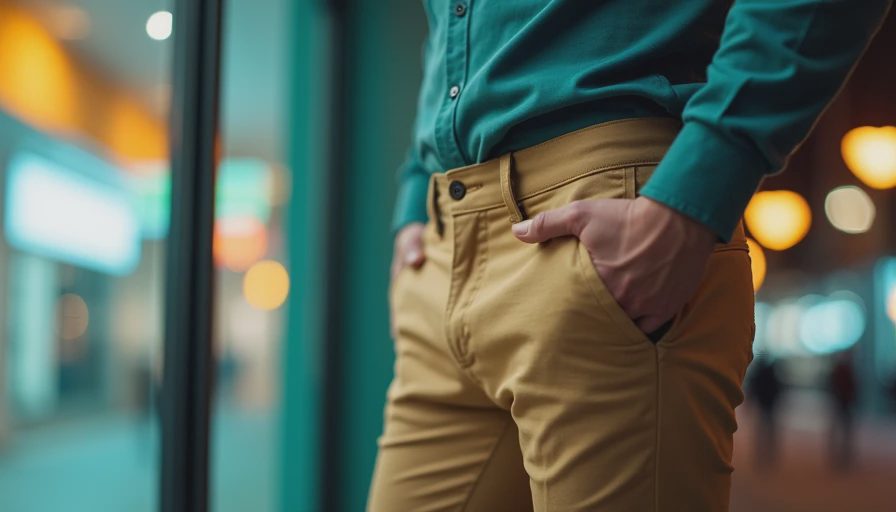
A slim cut is not automatically a better cut. Boys khaki pants should let a child sit cross-legged, bend deeply, and tuck a shirt without pulling across the seat. When Jack tries on a pair, I check three things: the waistband lies flat while he is standing, the rise does not cut in when he sits, and the knees are not already stretched tight.
Adjustable waist tabs are especially helpful for children with narrow waists or fast-changing proportions. They can make a $16 pair useful for a full school year instead of one season. Look for a button or elastic system that does not create a bulky knot inside the waistband. Pull-on styles work well for preschoolers, while older children often prefer a real fly with an easy-hook closure.
Check the length with shoes on. A small break at the ankle is practical, but excess fabric that folds over the heel will collect dirt and wear through sooner. Buying two inches too long is not always a saving if the child refuses to wear the bunchy pair. Some labels offer regular, slim, husky, or adjustable options; compare the actual garment measurements rather than trusting the size number alone.
Three useful versions for different wardrobes
For a preschool capsule, elastic-waist boys khaki pants are usually the least frustrating option. Pair them with a cotton polo, striped long-sleeve shirt, or sweatshirt, and the outfit can handle preschool photos as well as a trip to the library. Choose flat-front styles if your child dislikes bulky pleats and cargo pockets.
For elementary school, stretch chinos with reinforced pocket openings are a sensible middle ground. They look tidy enough for concerts and family dinners but are not precious. Tan is the classic choice, though navy, olive, and charcoal can be easier to rotate with graphic tees. A darker shade also hides playground dust between washes.
For tweens, boys khaki pants with a straight leg and a proper fly often get more use than a formal pair. A clean hem and low-profile pockets make them work with sneakers, loafers, or boots. If your child strongly prefers athletic clothing, do not buy a stiff chino and hope a special occasion will change their mind. A stretch pair with a softer hand has a much better chance of leaving the closet.
Wash-test the details that matter
Before the first wash, photograph the care label and inspect the stress points. I pay attention to belt loops, pocket corners, the top button, and the stitching around the fly. Loose threads are easy to trim, but uneven seams or a twisting waistband usually become more annoying over time.
Wash boys khaki pants according to the label, generally in cool or warm water with similar colors. Turning them inside out helps reduce surface rubbing and keeps darker shades looking newer. Skip high heat when possible. A hot dryer can shrink cotton and make elastane lose its bounce faster. I usually remove pants while slightly damp, shake them out, and hang them from the waistband. This takes less time than ironing a whole week of school clothes.
Stains need quick, ordinary treatment. For grass, rinse from the back of the fabric and use a small amount of liquid detergent before washing. For food grease, dab rather than scrub and let detergent sit briefly. Do not put a stained pair through a hot dryer until the mark is gone; heat can set it.
What to spend at three price points
A budget pair around $12 to $18 makes sense for messy preschool days, rapid growth, or a child who frequently comes home with marker on both knees. Look for cotton twill, an adjustable waist, and a return policy that lets you check the fit at home. You might replace these sooner, but the low entry price can be sensible.
At roughly $18 to $30, you will often find the best balance for a small wardrobe. This is where I would shop for two dependable pairs in tan or navy, especially if the child wears them weekly. Prioritize softness and fit over decorative stitching. A familiar retailer's basic chino can be more useful than a fashion-forward pair with an awkward rise.
Above $30, buy only when a specific improvement matters, such as a softer finish, unusually durable construction, or a cut that fits your child better. Higher price is not proof of longer life. My wash-score spreadsheet has inexpensive basics that outlasted pricier trousers simply because they were comfortable enough to be worn and washed regularly.
A simple buying checklist
Before checkout, ask whether the pants work with at least four shirts already in the drawer. Confirm that the fabric has some give, the waistband adjusts without digging, and the pockets are deep enough for a child-sized treasure but not so deep that they distort the silhouette. Check whether the care label allows ordinary machine washing. Dry-clean-only clothing has no place in our weekday rotation.
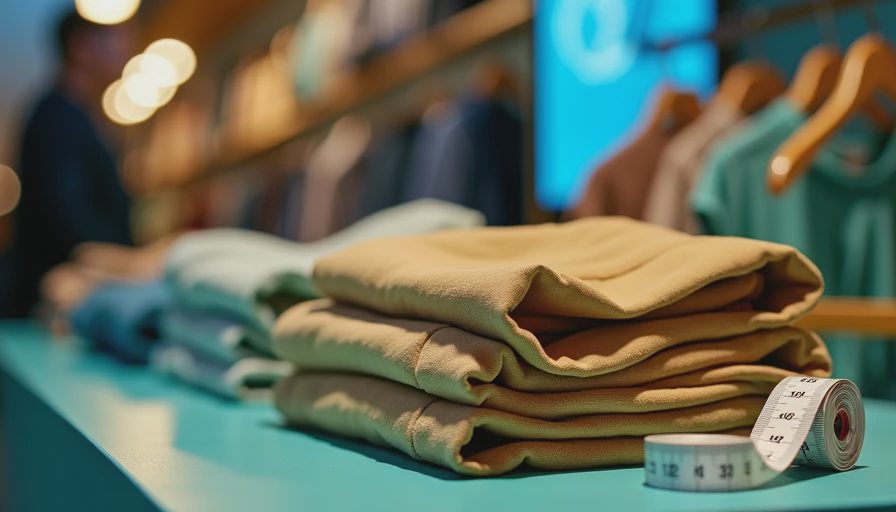
I also buy the current size rather than stocking up three sizes ahead. Children grow unevenly, and a bargain becomes clutter when the season changes before the pants fit. If buying online, measure a comfortable pair at home and compare waist, rise, inseam, and thigh measurements. That extra five minutes has saved me more return trips than any clever size chart shortcut.
Would I buy boys khaki pants again? Yes, but only in a forgiving fabric and a cut my child can move in. One reliable pair for school, one darker pair for dinners, and a washable shirt or sweater usually cover more life than a crowded drawer of nearly identical clothes.


Travellers Write
No letters yet — be the first traveller to write.