The first pair of girls cargo pants I bought for Ella looked perfect online: olive cotton, roomy pockets, and a price low enough to make me click quickly. After one playground visit, the knees were dusty, the waistband twisted, and the pocket flap kept catching on the slide. That small failure taught me to look past the cute utility styling and judge girls cargo pants by fabric, fit, stitching, and whether a child can actually move in them.
Cargo pants can be excellent capsule-wardrobe pieces. They work with a striped T-shirt, a sweatshirt, or a dressier sweater, and the pockets are genuinely useful for acorns, toy animals, and the occasional rock collection. The trick is choosing one pair that earns its space instead of buying several versions that only look good in a product photo.
What to Look For Before Buying
Start with the fabric label. A cotton-spandex blend usually gives a comfortable amount of stretch for climbing and sitting cross-legged. Two to three percent elastane is often enough; more stretch can feel soft at first but may lose its shape sooner, especially if the pants are worn and washed several times each week. A mostly cotton pair feels breathable and sturdy, although it can crease more and may take longer to dry.
Ripstop fabric is another practical option. Its crosshatched weave is designed to limit the spread of small tears, making it useful for outdoor play and school recess. It can feel slightly crisp compared with jersey or brushed cotton, so I would let a sensitive child touch the fabric before buying several pairs. Lightweight denim offers a middle ground: structured enough to look polished, but generally familiar and easy to pair with existing clothes.
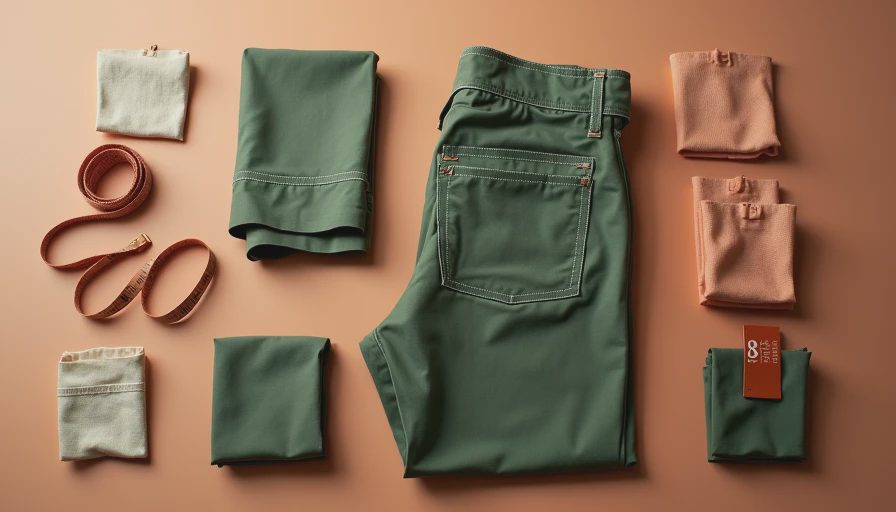
Check the seams around the pockets carefully. Cargo pockets add extra layers and stitching, which means they can become the first place to fail. Look for flat, even seams and pocket openings that lie flat instead of pulling away from the leg. On girls cargo pants, a reinforced seat and double-stitched inner leg are small details that can make a noticeable difference after months of kneeling and climbing.
Fit Matters More Than the Trend
A good pair should allow a child to squat, run, and sit without the waistband cutting into the stomach. For younger children, an adjustable elastic waist is often more useful than a fixed button closure. It lets you accommodate growth without buying pants that fall down today. For older kids, a real button and zipper can feel more secure, but only if the closure is easy to manage before school.
Do not size up excessively to chase extra wear. Pants that are too long can bunch under shoes, catch on playground equipment, and make a child feel clumsy. A little growing room in the thigh and hem is sensible; several inches of extra length is usually false economy. Straight-leg and relaxed-leg cuts tend to be easier to hand down than very narrow styles, because children can wear them through more than one stage of growth.
The pocket design deserves a quick test at home. Can your child put a hand inside without the pocket pulling the pants sideways? Does the flap stay closed when the pocket holds a small toy? Decorative pockets sewn shut are not useful, while very deep pockets can drag on lightweight fabric. The best girls cargo pants have pockets that add function without making the legs feel stiff or heavy.
Three Price Levels Worth Considering
At the lower end, roughly $15 to $25, look for a cotton blend with a simple elastic waist and minimal hardware. These are good choices for fast-growing toddlers or children who regularly come home with grass stains. I would not expect every low-cost pair to survive multiple siblings, but a sensible construction can still provide a season of dependable wear.
In the middle range, around $25 to $45, you are more likely to find stronger twill, better waist adjusters, and cleaner pocket construction. This is where I usually shop for girls cargo pants because the balance between price and repeat wear makes sense for our family. Brands such as Cat & Jack, Old Navy, and Hanna Andersson offer different approaches to this category; inspect the actual fabric and care label rather than assuming a higher price guarantees better durability.
Above $45, the purchase makes sense when the fit is unusually good, the fabric is notably comfortable, or the item is intended for frequent hand-me-downs. A pricier pair is not automatically a smarter pair. If the knees are thin, the waist cannot adjust, or the care instructions are fussy, the extra cost will not rescue the design.
How They Hold Up in the Wash
Turn cargo pants inside out before washing to reduce surface abrasion and protect printed labels. Close zippers and snaps, empty every pocket, and use cold or warm water according to the care tag. High heat can shrink cotton and weaken elastane, while repeated hot drying can make knees and pocket edges look tired sooner.
For muddy hems, I rinse the dirt first instead of putting the whole garment straight into the washer. A small amount of regular detergent and a few minutes of soaking usually handle ordinary playground grime. I avoid fabric softener on stretch twill because it can leave a coating that reduces absorbency and changes the fabric feel. Air drying is gentler, but our household often uses low heat when laundry has piled up.
Julia Test Log: one midweight cotton pair in our house reached 42 washes before the knees became visibly lighter. The waistband remained comfortable, but the pocket corners started curling. That is not a forever garment; it is a successful play pair that delivered regular use without demanding special treatment.
Building Outfits Without Buying More
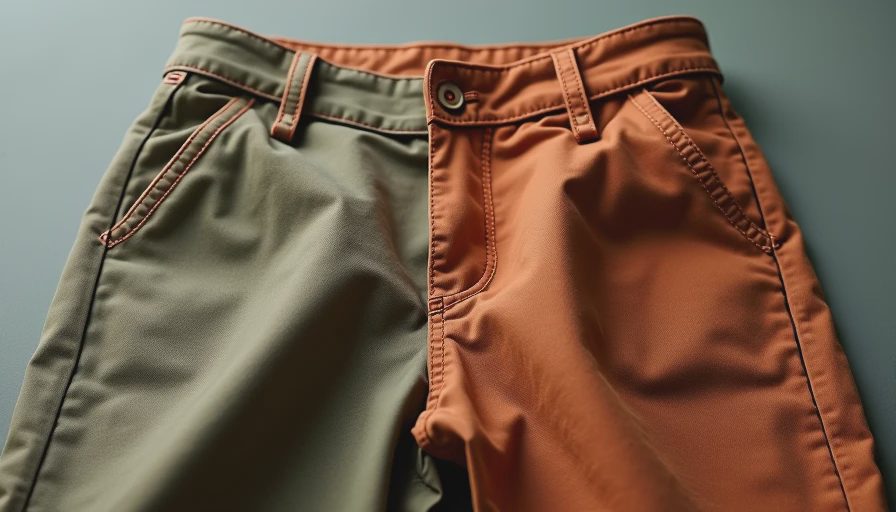
One pair of girls cargo pants can support several outfits if the color is practical. Olive works with cream, navy, rust, pink, and denim. Khaki is easy with graphic tees and cardigans, while black can look a little more polished but may show lint. For a small wardrobe, I would choose olive or khaki first, then add a second neutral only when the first pair is genuinely in the laundry often.
For preschool, pair cargo pants with a soft cotton tee and washable sneakers. For elementary school, try a striped long-sleeve shirt, a quilted vest, and low-top canvas shoes. In cooler weather, a sweatshirt works well, but check that the combined layers do not make the waistband bulky. A simple outfit formula helps children dress independently because every piece coordinates without a morning negotiation.
Avoid buying tops specifically to match one trendy color. The goal is a useful bottom that connects with clothes already in the drawer. If a child loves bright colors, let the shirt or socks provide that personality while the pants do the practical work.
A Simple Buying Checklist
Before ordering girls cargo pants, measure the child’s waist and inseam and compare those numbers with the brand’s chart. Read the fiber content, then look for stretch if the child dislikes stiff clothing. Check whether the waistband adjusts, whether the hem can be rolled neatly, and whether the pockets are functional rather than decorative.
Next, imagine the pants in your actual week. Will they be worn for school, hiking, errands, or mostly photographs? A crisp ripstop pair may be useful for trails but less appealing for a child who prefers soft clothing. A lightweight cotton pair may be perfect for daily wear but not the best choice for wet spring mud. The right answer depends on use, not the product title.
When the package arrives, have your child walk, squat, sit, and climb one stair before removing tags. Look for pinching, gaping, twisting, or pockets that swing outward. Returning an uncomfortable pair is easier than trying to persuade a child to wear it for six months.
Would I buy girls cargo pants again? Yes, but I would buy one well-fitting, midweight pair rather than several cheap versions. In our family, the best pair has a soft enough hand, a waist that adjusts, useful pockets, and stitching that accepts ordinary washing. That combination supports a smaller wardrobe, gives kids room to move, and leaves a little space in the budget for the clothes they will inevitably outgrow.

Travellers Write
No letters yet — be the first traveller to write.