The yellow cotton dress looked perfect in the online photo. Two weeks later, after applesauce, sidewalk chalk, and three washes, it had twisted seams and a stiff, faded skirt. That experience changed how I shop for toddler girl dresses. A pretty color is useful, but comfort, washable fabric, and room to move matter much more once a child is climbing onto the couch in yesterday's socks.
The goal is not a closet full of tiny party outfits. It is a small rotation of dresses that can handle preschool, errands, family pictures, and the occasional puddle. With a few reliable shapes and sensible fabrics, toddler girl dresses can earn their space instead of becoming laundry clutter.
Start with the fabric, not the print
For everyday wear, cotton jersey is usually the easiest place to begin. It feels soft, stretches over a child's head, and does not punish you when a sleeve catches on a chair. A cotton-spandex blend adds recovery, which helps a dress keep its shape after crawling, sitting, and repeated washing. I look for a small amount of elastane rather than a very thin, clingy knit.
Woven cotton, such as poplin or seersucker, feels cooler and looks a little sharper. It is a good choice for warm-weather outings, but check whether the armholes and neckline are comfortable before removing tags. Linen-cotton blends breathe nicely, although they wrinkle quickly. That is not a flaw if you like a relaxed look, but it is less practical for a daycare morning when everyone is already late.
Polyester is not automatically a problem. A durable polyester blend can work for a special-occasion dress, especially when it resists wrinkles. I would not choose a heavy, non-breathable fabric for a hot playground afternoon. Read the care label and rub the inside against your wrist. If it feels scratchy to you, a toddler will probably complain before lunch.
Choose shapes that can keep up
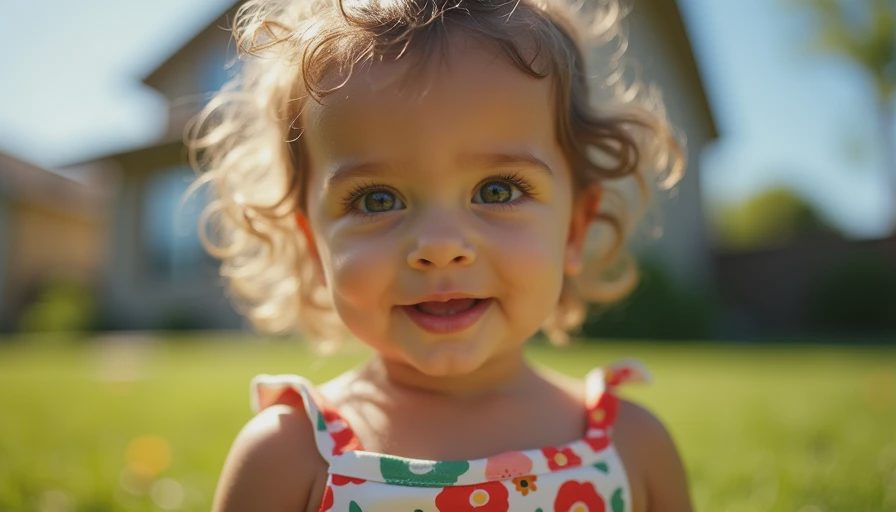
The best toddler girl dresses leave room at the shoulders, waist, and hips without looking like a sack. A relaxed A-line shape is forgiving during growth spurts and pairs well with leggings. A simple T-shirt dress is even more versatile: add bike shorts underneath for climbing, a cardigan for a cool classroom, or tights for a family gathering.
For active days, I prefer knee-length hems and sleeves that stop above the wrist. Long skirts can catch under shoes, and oversized bell sleeves collect yogurt with impressive efficiency. A dress with snaps at the shoulder can be easier for younger toddlers, while an elastic neckline often works well once a child wants to dress independently.
Check the seams at the underarm and waist. Rough overlocking, bulky tags, and decorative waistbands are small details that can turn a pleasant morning into a clothing negotiation. When shopping online, use the garment measurements instead of relying only on age labels. A two-year-old can wear a different size from another two-year-old, and children often grow in length before they grow in width.
Build a small working rotation
A practical wardrobe might start with four or five toddler girl dresses, not twelve. Choose two everyday jersey dresses, one warmer long-sleeve option, one woven dress for dinners or photos, and one seasonal piece if the climate calls for it. In Portland, my toddler needs layering more often than she needs a sleeveless dress, so leggings and cardigans do more work than extra prints.
Look at the colors together before buying. Three dresses that coordinate with the same navy, cream, or gray leggings will create more outfits than three unrelated statement pieces. A floral dress can work with a denim jacket; a solid rust or green dress can handle a striped long-sleeve shirt underneath. This makes hand-me-downs easier too, because accessories and layers can refresh a familiar item.
The rotation should also match your laundry habits. If laundry happens twice a week, five dresses may be plenty. If you wash clothes only on weekends, add one or two backups. Buying the exact number your child needs, rather than the number a sale encourages, saves both money and drawer space.
Price should match the job
A $12 to $20 cotton dress can be an excellent playground uniform when the stitching is neat and the fabric is not paper-thin. I would spend closer to $25 to $45 for a dress expected to survive frequent washing, especially if it has a better knit, reinforced seams, or adjustable details. A special-occasion dress can cost more, but it should have a clear use rather than sit untouched in the closet.
Brands such as Hanna Andersson are often known for durable cotton basics, while Primary focuses on simple colors and mix-and-match children’s clothing. Target, Old Navy, and children’s resale shops can offer useful lower-cost options, particularly for seasonal sizes. I have not wash-tested every item from these retailers, so treat the label and construction as more important than the logo.
The real price is cost per wear. A $16 dress worn 20 times costs less per outing than a $35 dress worn once because the fabric is uncomfortable. Before buying, imagine three actual situations: daycare, a meal with tomato sauce, and a family photo. If the dress works for only one of those, it may not deserve a place in the everyday rotation.
Make washing part of the buying decision
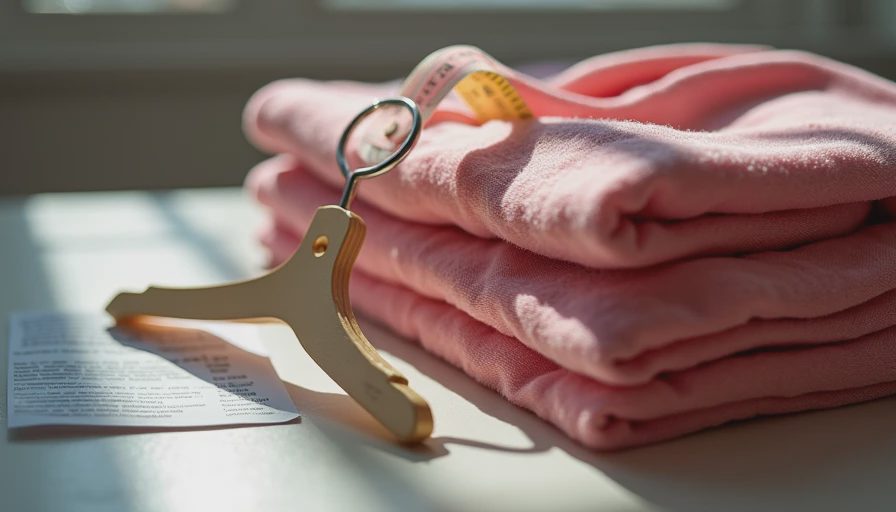
Turn toddler girl dresses inside out before washing, close snaps, and use cool or warm water according to the care label. A mild detergent is usually enough; adding too much can leave fabric stiff. Tumble drying is convenient, but a lower heat setting helps protect elastic and printed designs. I hang anything with a delicate trim or a shape that tends to twist.
Look closely after the first wash. Does the side seam still sit straight? Has the neckline stretched? Are the darker colors bleeding onto lighter panels? These observations tell you more than a product description. If a dress survives five or six washes without pilling or shrinking noticeably, it has earned a place in my repeat-buy notes.
Stains are normal, not a wardrobe emergency. Rinse food stains promptly, apply a small amount of detergent, and avoid putting the garment in a hot dryer until the mark is gone. Sunlight can help with some lingering spots, although it can also fade strong colors. Keep a small rotation of play clothes so one stubborn stain does not force an immediate shopping trip.
A simple fitting and buying checklist
Before ordering toddler girl dresses, measure your child's chest, waist, and height. Compare those numbers with the retailer's chart, then read reviews for comments about shrinkage and neckline width. Look for flat seams, secure buttons, and fabric with enough stretch to pull over the head without a struggle.
When the package arrives, let your child move in it. Ask her to sit on the floor, raise her arms, walk quickly, and bend down. The hem should not ride uncomfortably, and the armholes should not pinch. For dresses worn with leggings, leave enough length for coverage without creating a trip hazard.
I also photograph the dress beside two existing outfits before removing the tags. If it cannot work with at least one pair of shoes and one layer already owned, it is probably a novelty purchase. That five-minute check has saved me from keeping several adorable but impractical dresses.
Would I buy it again?
My answer for well-made toddler girl dresses is yes, but selectively. I would buy a soft jersey T-shirt dress in a useful color again, especially when the seams stay straight after washing and the child can put it on with limited help. I would buy a woven cotton dress for celebrations, knowing it will need more ironing and careful stain treatment.
I would skip anything scratchy, overly decorated, or so delicate that it requires a separate laundry routine. Children do not need a perfect outfit to look cared for. They need clothes that let them run, eat, nap, and change their minds about puddles. Start with a few dependable toddler girl dresses, track how they perform, and add only what fills a real gap. That is how a small wardrobe becomes easier rather than fuller.


Travellers Write
No letters yet — be the first traveller to write.