I was standing over the laundry sink with a five-dollar bottle of stain remover, a two-year-old's oatmeal-covered sweatshirt, and the same question many parents ask: how common is this? The shirt had shrunk, the cuffs were gray, and the fabric looked tired after only a handful of washes. In children's clothing, that question usually means, “Is this normal wear, or did I buy a dud?”
The honest answer is that some problems are ordinary, while others reveal weak construction, poor fabric choice, or an unrealistic care routine. Once you know the difference, shopping gets less frantic. You can stop replacing every imperfect shirt and start noticing which garments earn their space in the drawer.
How common is this in everyday kids' clothes?
Very common, especially with clothing worn by toddlers and school-age children. Kids kneel on pavement, drag sleeves through spaghetti sauce, carry rocks in their pockets, and outgrow a good fit before the fabric gives up. A shirt that looks worn after 40 washes has had a much harder life than a blouse worn twice by an adult.
Some wear is a sign that a garment is doing its job. Soft cotton jersey can develop a little fuzz at the underarms. Knees can fade. Ribbed cuffs can relax. A pale spot near the collar may simply be sunscreen, milk, or a banana that was not rinsed quickly.
The bigger warning signs are different. A side seam twisting after the first wash, snaps pulling away from baby pajamas, holes appearing without rough play, or dramatic shrinking suggest a quality or sizing problem. I do not expect a $12 T-shirt to look new forever, but I do expect it to remain wearable after several ordinary laundry cycles.
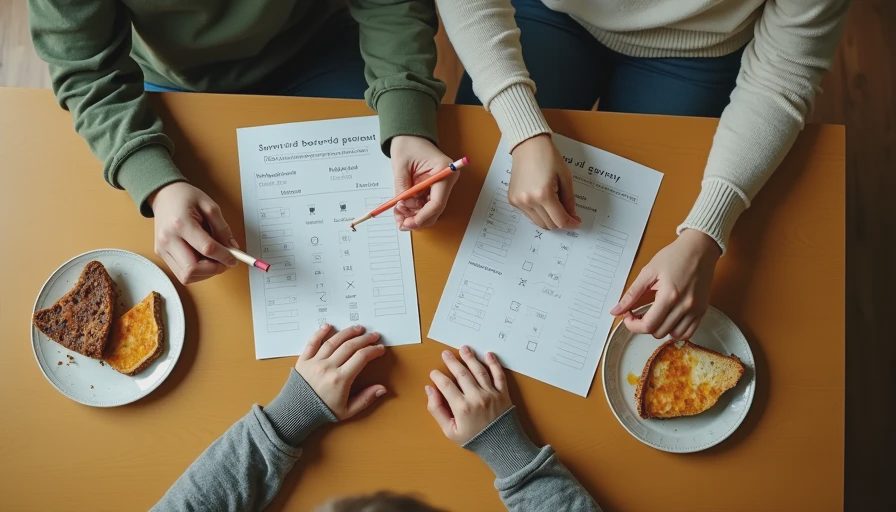
Fabric problems parents notice first
Cotton jersey is comfortable and breathable, but it is not one single quality level. A lightweight, loosely knitted jersey may feel lovely in the store and stretch out at the neckline. A denser jersey usually holds its shape better, though it can feel warmer. Cotton-polyester blends often resist wrinkles and dry quickly, while a high-cotton blend may feel softer against sensitive skin.
Pilling is another frequent complaint. Those tiny balls form when loose fibers tangle from friction. The inside of the arms, sides of the torso, and seat of leggings receive the most rubbing. Brushing against a car-seat buckle or a backpack can speed it up. Pilling does not automatically mean a garment is unsafe or unusable, but heavy pilling after a few wears is a reason to avoid that fabric in the future.
In my wash spreadsheet, fabric weight and surface texture have been more useful clues than a polished product photograph. A smooth, compact knit usually wears more calmly than a very fuzzy one. For a play shirt, I would rather have a sturdy cotton blend at $10 to $16 than a delicate “special occasion” cotton shirt that costs $28 and needs constant supervision.
How common is this after washing?
Shrinkage is common when cotton is exposed to heat, especially if the garment was not pre-shrunk. Most parents notice it first in sleeve length, pant inseams, or a waistband that suddenly feels snug. Washing in cool water and drying on low heat reduces the problem, but it cannot reverse fabric that has already tightened.
My practical test is simple: wash a new item according to its care tag before removing tags from other coordinating pieces. Measure the sleeve or inseam only if the fit is borderline. If it loses enough length to change how your child can wear it, take a photo and record the result. That small note prevents you from buying the same cut again during the next growth spurt.
Twisting is different from normal shrinkage. If the front seam swings toward the side after one wash, the knit may have been cut off-grain or sewn under tension. You can still use the garment for messy play, but I would not pay a premium for another one.
Stains, fading, and the reality of play clothes
How common is this when a child wears the same sweatshirt three days in a row? Very common. Food, playground dust, grass, paint, and sunscreen all leave different marks. The goal is not a spotless wardrobe; it is a wardrobe that gives you enough clean, comfortable options without turning laundry into a second job.
Rinse food stains with cool water before they dry. Hot water can set some protein-based marks, including milk and egg. For oily stains, a small amount of dish soap worked gently into the fabric can help before laundering. Test anything strong on an inside seam, and skip aggressive scrubbing on thin jersey because it can create a faded patch even when the stain improves.
Dark colors often disguise dirt but can show detergent residue and fading. Mid-tone colors such as rust, navy, forest green, and mustard have worked well in our house because they tolerate ordinary life without demanding perfect maintenance. I also keep one inexpensive “art shirt” for baking, painting, and garden projects. It has saved several nicer tops from permanent evidence of a busy afternoon.
How common is this with sizing and fit?
Children's sizing is inconsistent enough that a printed age range should be treated as a starting point, not a measurement. Ella has worn two different sizes in the same season, while Jack often needs extra room in the waist but not in the length. Maya's best-fitting pants have sometimes come from a smaller size with a longer cut.
Look at shoulder width, rise, sleeve opening, and the way a waistband sits when the child moves. For babies, check that neck openings do not stretch so much that the garment slips awkwardly over the shoulders. For older children, ask whether they can squat, climb, sit cross-legged, and raise both arms. A technically correct size that restricts movement will become the item nobody chooses.
Buying one size up can work for sweatshirts, loose dresses, and relaxed pajamas. It is less successful for shoes, fitted leggings, and shirts with shoulder seams already falling down. A $15 item that gets worn for two seasons is a better value than a $30 item that looks beautiful but spends most of its life waiting for the child to grow into it.
How common is this, and when should you replace the item?
I use three questions. Is the garment still comfortable? Is it structurally sound? Does it serve a real outfit or activity? If the answer is yes to all three, fading or a small amount of pilling is not a reason to discard it. If a seam scratches, elastic digs in, snaps detach, or a hole keeps growing, the item has reached its useful endpoint.
A simple repair can extend the life of a favorite piece. Replace a loose button, reinforce a small knee hole, or shorten sleeves that became awkward after washing. Keep repair supplies near the laundry basket rather than in a distant craft box. If a repair has not happened after two wash cycles, move the garment to a clearly labeled mending pile or let it go.
When friends ask how common is this, I tell them that imperfect kids' clothing is normal, but rapid failure is not something they must accept. Buy fewer pieces with useful fabrics, wash them gently enough to preserve their shape, and track what actually survives your family's routine. My personal verdict on this approach is yes: it saves money, lowers laundry clutter, and makes mornings noticeably calmer.



Travellers Write
No letters yet — be the first traveller to write.